FSS Releases Second Quarter Complaint and Dispute Cases
Financial Companies Cannot Seize Funds Needed for Living Expenses
Relief Must Be Sought Through the Court
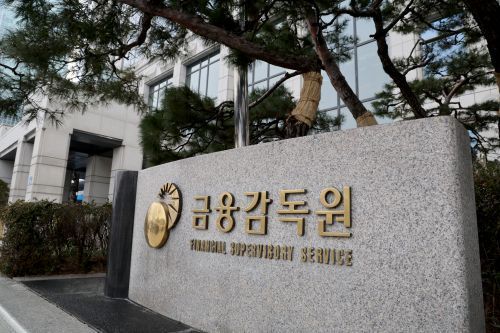
The Financial Supervisory Service announced on the 24th that it has posted examples of complaints and disputes, as well as the results of its judgments for the second quarter, on its website. Among these, it released several cases related to consumer precautions.
The first case involved a situation where a financial company seized all of a customer's deposits, including those necessary for living expenses. In such cases, it is possible to apply to the court for a change in the scope of non-seizable claims.
Mr. A recently defaulted on a loan repayment, and the lending financial company seized all deposits under his name. Mr. A requested the release of the seizure from the lending company, citing the inconvenience caused by the seizure of funds necessary for living expenses. The Financial Supervisory Service explained that, under the Civil Execution Act, deposits necessary for living expenses for one month (185,000 won as of this year) are protected from seizure by financial companies. Therefore, in such cases, the individual can seek relief by applying to the court for a change in the scope of non-seizable claims regarding funds necessary for living expenses.
The second case showed that a pension insurance policyholder may request an earlier start to pension payments from the insurance company, provided certain conditions are met, such as full payment of premiums and the passage of a specified period.
Mr. B purchased a variable annuity insurance policy (7-year payment, whole life type) and set the pension payment start age at 60. Later, during a consultation with the insurance company, he learned that it was possible to apply for early pension payments before age 60. He filed a complaint claiming that the insurance company failed to inform him of this option, causing him to miss the opportunity for early payment and suffer a loss, and demanded payment equivalent to the undue profit the insurance company gained from his inability to receive the pension early.
According to the Financial Supervisory Service's judgment, the policy terms state that the policyholder may, with the company's approval, change the type, form, and start age of pension payments. While Mr. B met the requirements to change the start age under the terms, it was confirmed that he did not submit a direct application to change the start age. Furthermore, since receiving the pension early would have increased the payment period but reduced the monthly amount, the Service concluded that it is difficult to recognize any financial loss to Mr. C from not receiving the pension early.
The third case highlighted the importance of carefully checking the requirements for interest rate discounts, such as salary transfers and card usage amounts, when taking out loans from banks or other institutions.
Mr. C received a jeonse (long-term lease) loan from a bank but did not meet the criteria for interest rate discounts related to salary transfers and card usage, and thus was not eligible for these benefits. He filed a complaint, claiming that he was not notified of changes in the preferential rate conditions during the loan renewal process and demanded a refund of the additional interest paid. However, the Financial Supervisory Service found that the preferential rate conditions were clearly stated in the agreement and explanatory documents related to the loan renewal, and that the contract bore Mr. C's handwritten signature. Therefore, it determined that the bank's handling of the matter after the loan renewal was not improper.
In addition, the Financial Supervisory Service advised consumers to note that liability for damages to others arising from accidents during work duties is not covered by personal liability insurance for daily life, and that when trading ETFs during times when a liquidity provider (LP securities firm) does not submit quotes, transactions may occur at market prices higher (or lower) than net asset value.
© The Asia Business Daily(www.asiae.co.kr). All rights reserved.