Chinese Influencer Voices Discontent After Visiting Famous Restaurant
"Reheated Convenience Foods Sold at High Prices," Restaurant Counters the Claim
Vague Definition of "Weizhichai" Fuels Consumer Confusion
Almost everyone has, at some point, felt that a dish served at a restaurant was simply reheated frozen food. Recently, however, a Chinese influencer has brought this issue into the public eye. This is the so-called "Weizhichai" (pre-made or ready-to-eat convenience meals) controversy.
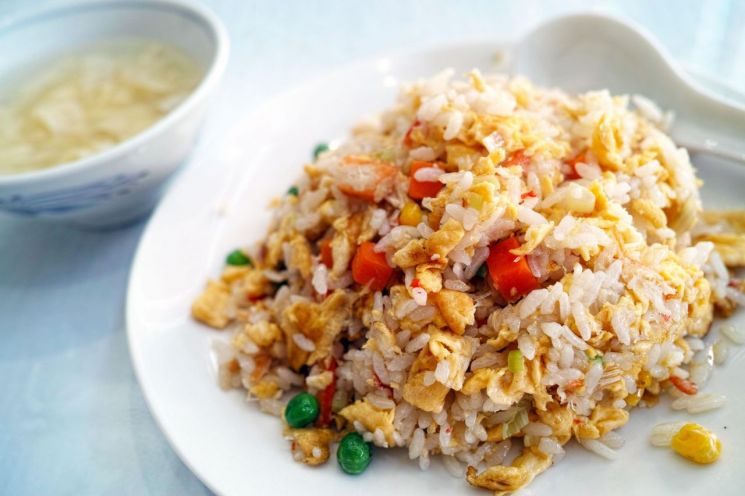
On September 15, Yonhap News cited Chinese state media, including China Central Television (CCTV), Xinhua News Agency, and the English-language Global Times under the People’s Daily, reporting that a heated debate is underway in China over whether restaurants should inform customers if the food they serve is cooked fresh in the kitchen or simply reheated from pre-cooked products.
According to the Global Times, on September 10, Chinese influencer Luo Yonghao criticized the famous restaurant chain "Xibei," claiming that almost all of its dishes are Weizhichai and that the prices are excessively high. The next day, the founder of Xibei countered, stating, "According to national regulations, none of the dishes served at Xibei restaurants are Weizhichai."
It is common for large restaurant chains in China to use Weizhichai. Citing industry insiders, Xinhua News Agency pointed to two reasons. First, many outlets restrict the use of open flames or handling of raw meat, making convenience meals or ingredients prepared at a central headquarters safer. Additionally, for certain cold dishes or pickled menu items, using pre-cooked ingredients can reduce costs, enhance flavor, and increase turnover rates, thereby improving efficiency and customer satisfaction.
Nevertheless, Weizhichai remains controversial. Small restaurants often find it difficult to guarantee food safety, which can lead to a loss of trust. Furthermore, the process of heating Weizhichai is sometimes unhygienic, causing consumers to equate it with low-quality food. There have also been cases where some restaurants disguise microwaved food as "freshly prepared" dishes and sell them at high prices, infringing on consumer rights.
There are also concerns that the lack of a clear definition and standards for Weizhichai is increasing consumer confusion. On September 14, CCTV published an article titled "What Exactly Is Weizhichai?" and reported on ways to strengthen food safety supervision of convenience meals, which are at the heart of the controversy. CCTV emphasized the need for strict management, such as limiting the use of food additives and raising the entry barriers for industries producing pre-made or ready-to-eat meals. The National Health Commission of China has drafted national food safety standards related to Weizhichai, which have passed expert review and are expected to be released soon.
© The Asia Business Daily(www.asiae.co.kr). All rights reserved.
![Clutching a Stolen Dior Bag, Saying "I Hate Being Poor but Real"... The Grotesque Con of a "Human Knockoff" [Slate]](https://cwcontent.asiae.co.kr/asiaresize/183/2026021902243444107_1771435474.jpg)
















