Consistent Management Is Key to Vascular Health
Know Your Blood Pressure, Blood Sugar, and Cholesterol Levels
The first week of September each year is designated as Cardiovascular and Cerebrovascular Disease Prevention and Management Week by the Korea Disease Control and Prevention Agency (Director: Lim Seungkwan).
This year as well, the Korea Disease Control and Prevention Agency is conducting the "Know Your Numbers, Red Circle Campaign" in collaboration with local governments nationwide.
The Red Circle Campaign, which symbolizes healthy blood vessels, has been held since 2014 to promote the idea that knowing and managing your blood pressure, blood sugar, and cholesterol levels accurately can help prevent cardiovascular and cerebrovascular diseases.
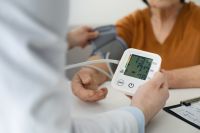 Blood Pressure Measurement.
Cardiovascular and cerebrovascular diseases include heart diseases such as myocardial infarction and angina, cerebrovascular diseases such as stroke, as well as pre-existing conditions like hypertension, diabetes, and dyslipidemia. In particular, due to factors such as dietary habits, chronic diseases, and obesity, the incidence of these diseases is increasing among adults in their 20s to 40s. However, many people fail to recognize their health status accurately, leaving the conditions untreated and missing the optimal time for treatment.
Hypertension, a representative chronic disease, is often called the "silent killer" because it frequently presents no noticeable symptoms and is a leading cause of life-threatening diseases such as arteriosclerosis, myocardial infarction, cerebral infarction, arrhythmia, and angina.
Nevertheless, according to National Health Insurance statistics, 87.1% of patients aged 70 and older were aware that they had hypertension, while only half of those in their 40s, one in four in their 30s, and one in five in their 20s knew of their condition.
This means that among 100 adults in their 30s with hypertension, 7 to 8 out of 10 are unaware that they have the condition.
Although the exact cause of hypertension is not clearly identified, low physical activity, stress, obesity, smoking, alcohol consumption, and advanced age are considered risk factors.
Most people with hypertension require lifelong blood pressure management and treatment. Especially after being diagnosed, it is essential to improve daily lifestyle habits. Maintaining a healthy weight, eating less salty foods, quitting smoking and drinking, exercising regularly, and reducing stress are all helpful for controlling blood pressure. Depending on the patient's condition, medication may also be used to manage blood pressure.
It is also important to know and manage your exact blood sugar levels because of diabetes. Diabetes is one of the most common chronic diseases, but it is also difficult to treat, so it requires consistent management.
Diabetes occurs when the hormone insulin, secreted by the pancreas, is either insufficient or does not function properly in the body, preventing blood sugar from being used as energy and causing it to accumulate in the bloodstream.
Our bodies need insulin from the pancreas to use glucose as energy. When insulin does not function properly, diabetes develops.
If diabetes is left untreated, it can cause various complications, including cerebral infarction, myocardial infarction, foot ulcers, vision loss, kidney dysfunction, and nerve pain. Therefore, if you are diagnosed with diabetes, you must pay special attention to preventing complications in addition to treating diabetes itself.
Cho Jongdae, Chief Medical Officer (Internal Medicine Specialist) at Ulsan Elijah Hospital, stated, "Every year, the number of patients with chronic diseases such as hypertension and diabetes is increasing, but since there are no special symptoms in the early stages, many people who do not visit hospitals regularly only seek medical attention and medication after symptoms become severe. Recently, wearable devices that allow you to easily measure blood pressure and blood sugar at home have become popular, and there are more opportunities for national health checkups. By using these, you can regularly check your vascular health, and if any abnormalities are found, visiting a hospital early for treatment is the best way to prevent more serious complications."
The Korea Disease Control and Prevention Agency has announced nine lifestyle rules for the prevention and management of cardiovascular and cerebrovascular diseases.
These include quitting smoking, abstaining from alcohol, improving dietary and lifestyle habits, regular exercise, and managing weight and stress. It is also important to regularly measure your blood pressure, blood sugar, and cholesterol levels, be aware of the symptoms of stroke and myocardial infarction in advance, and in emergencies, inform those around you and quickly visit the nearest hospital emergency room via 119 or other emergency services.
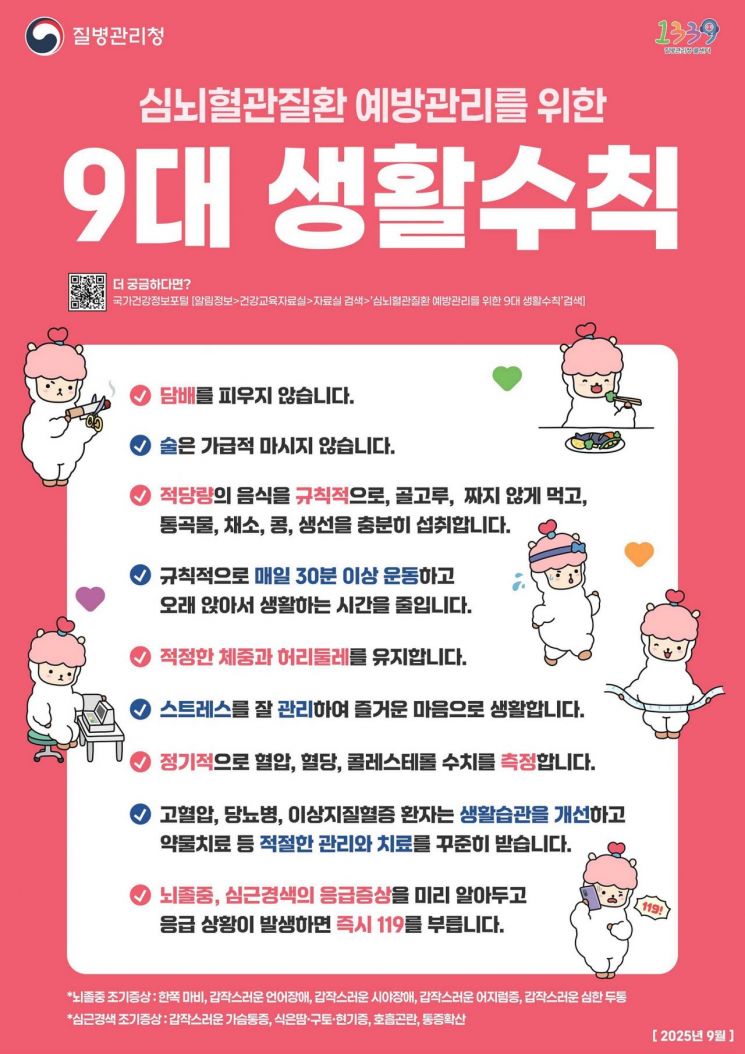 Nine Lifestyle Rules for the Prevention and Management of Cardiovascular and Cerebrovascular Diseases.
© The Asia Business Daily(www.asiae.co.kr). All rights reserved.

![Clutching a Stolen Dior Bag, Saying "I Hate Being Poor but Real"... The Grotesque Con of a "Human Knockoff" [Slate]](https://cwcontent.asiae.co.kr/asiaresize/183/2026021902243444107_1771435474.jpg)















