Hwaeomsa Temple Byeokam Dae-sa Stele, Heo Jun's Byeokyeok Sinbang, and More
A Diverse Range of Silhak Books, Medical Texts, and Buddhist Sculptures
The "Bakje-ga Gobon Bukhak," a late Joseon-era national development and reform proposal, will now be managed as a national heritage asset.
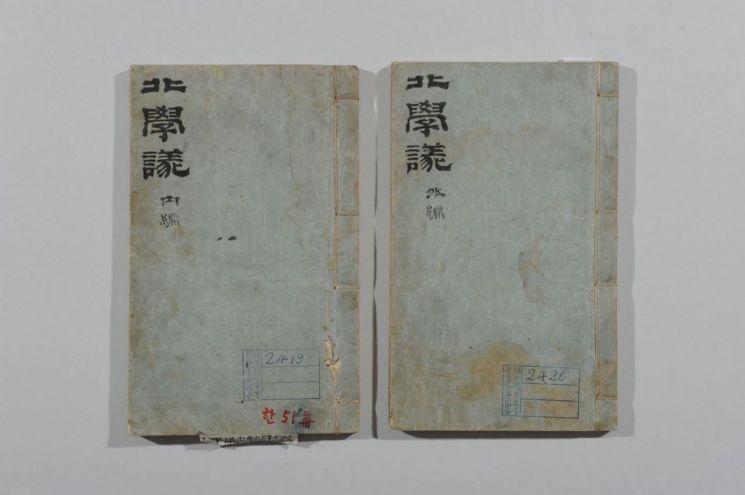
On September 4, the National Heritage Administration announced that it has designated several items as treasures, including the Original Edition of "Bakje-ga Gobon Bukhak," the Gurye Hwaeomsa Temple Byeokam Dae-sa Stele, the "Daehe Bogak Seonsa Seoseo," "Yegijipseol Volumes 1 and 2," "Byeokyeok Sinbang," the Gilt-bronze Seated Avalokiteshvara and Ksitigarbha Bodhisattva Statues and Associated Artifacts from Haeinsa Temple in Hapcheon, the Stone Seated Ksitigarbha Bodhisattva Triad and Ten Kings Statues from Seongjusa Temple in Changwon, the Myeonggyeongdae of Jeondeungsa Temple in Ganghwa, and the Bronze Ritual Ewer excavated from Heungjeon-ri Temple Site in Samcheok.
"Bukhakui" is a guideline written by Park Jega in 1778 after his visit to Beijing, presenting proposals for national institutions and policies. The internal section contains reform methods for various tools and equipment, while the external section offers reform plans for institutions and policies. The designated treasure is a book made from the author's own handwritten manuscript. The process of revising and editing the content through the annotations and corrections by Cheomji adds significant bibliographic value. It is also noteworthy that the book includes a preface handwritten by Park Ji-won.
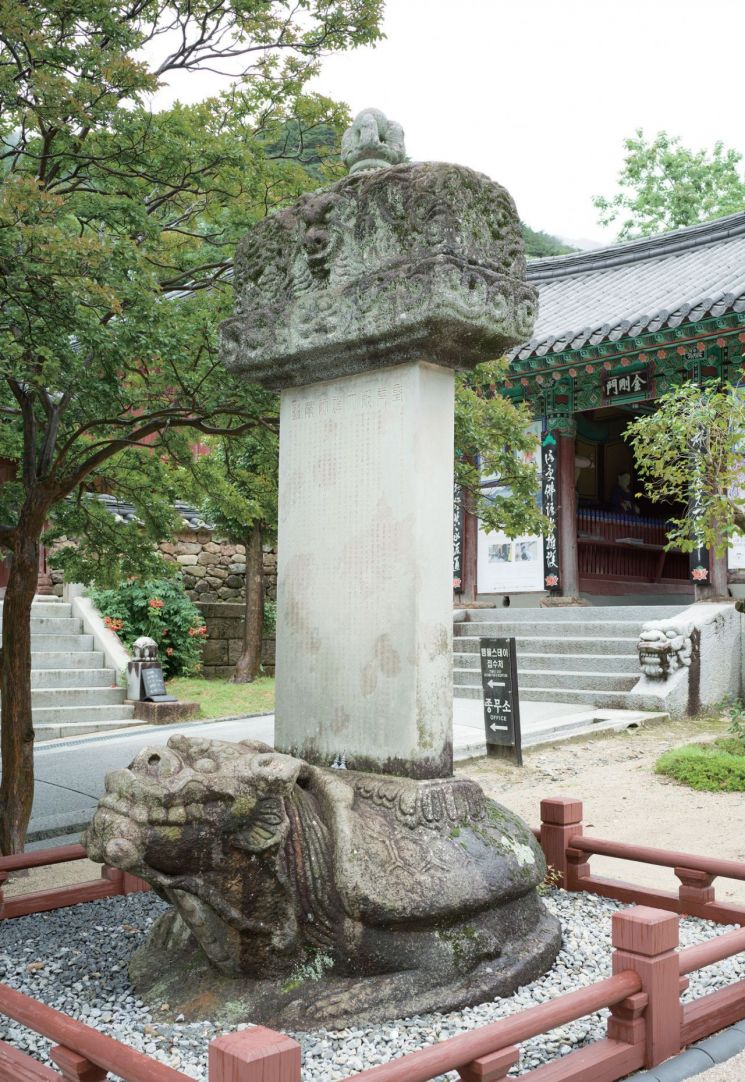
The Gurye Hwaeomsa Temple Byeokam Dae-sa Stele was erected to honor Monk Byeokam, who revitalized Buddhism after the devastation of the Imjin and Jeongyu Wars. The inscription was composed by Chief State Councilor Lee Kyungseok, and the calligraphy was done by the renowned calligrapher Oh Jun. The stele, composed of a turtle-shaped pedestal, body, and capstone, is notable for its exceptional craftsmanship and high technical and artistic value. As a rare example from a period when few steles for monks were erected, it serves as a standard for the study of 17th-century steles.
The "Daehe Bogak Seonsa Seoseo" is a Zen Buddhist text compiled during the Song Dynasty by Bogak Seonsa Daehe, a disciple of the Linji school in China. The copy designated as a treasure is housed at Deungyongsa Temple and was printed from woodblocks carved in 1418 under the supervision of Monk Shinin. Only about three copies are known to exist domestically and internationally, making it an extremely rare edition.
"Yegijipseol Volumes 1 and 2" is a Confucian text containing records and commentaries on ancient Chinese rituals, annotated by Jin Ho, a Neo-Confucian scholar from the Yuan Dynasty. The edition designated as a treasure is believed to have been reprinted in 1391 in Sangju, North Gyeongsang Province, based on an original produced in China in 1328. It is the earliest known edition among surviving domestic copies, making it highly significant.
"Byeokyeok Sinbang" is a medical text compiled by Heo Jun in 1613 by royal command. It contains observations and treatments for scarlet fever, which was prevalent during the reign of King Gwanghaegun. The edition managed as a treasure, housed at the Dong-eun Medical Museum, was bestowed upon Prince Bongrae Yi Hyungyun in 1614. It provides insight into the prevalence of infectious diseases in Joseon society and the distribution of medical texts.
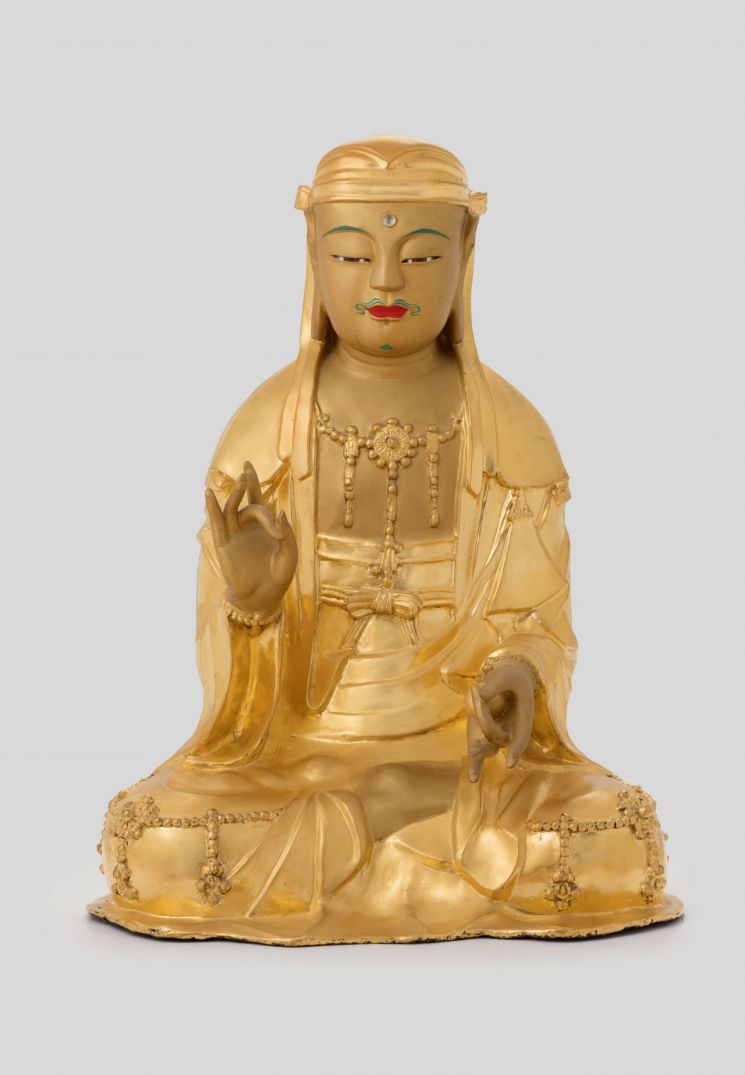 Gilt-bronze Seated Avalokiteshvara and Ksitigarbha Bodhisattva Statues and Associated Relics from Haeinsa Temple, Hapcheon [Photo by National Heritage Administration]
The Gilt-bronze Seated Avalokiteshvara and Ksitigarbha Bodhisattva Statues and Associated Artifacts from Haeinsa Temple in Hapcheon are confirmed, through a dedication inscription, to have been created in 1351 for enshrinement at Beoplimsa Temple in Seongju. The clear production date and its role as a reference work for the iconography and style of late Goryeo Buddhist sculpture give it high academic value. As the only known sculpture featuring the combination of Avalokiteshvara and Ksitigarbha, it holds great significance in art history.
The Stone Seated Ksitigarbha Bodhisattva Triad and Ten Kings Statues from Seongjusa Temple in Changwon were completed in 1681 by the master sculptor Monk Seungho and his team. All thirty-one statues remain intact without any losses. Among the works of Seungho, this is the largest and most complete set of underworld sculptures, making it historically significant.
The Myeonggyeongdae of Jeondeungsa Temple in Ganghwa is a lion-shaped pedestal supporting a mirror, with records indicating it was made in 1627 by artisans Milyeong, Cheongi, and Bolsaeng. The Bronze Ritual Ewer excavated from the Heungjeon-ri Temple Site in Samcheok is a Unified Silla artifact discovered in 2016, notable for its advanced craftsmanship and harmonious proportions.
© The Asia Business Daily(www.asiae.co.kr). All rights reserved.














