Struggled With Daily Life Due to Binge Eating and Food Addiction
Recently Bought a Home and Now Preparing for Marriage
As interest in beauty and health continues to rise, more people are recognizing the problem of obesity and making efforts to address it. In the United Kingdom, an engaged couple has drawn attention after successfully overcoming lifelong struggles with obesity and binge eating, achieving significant weight loss. They gave up their wedding savings to undergo bariatric surgery and are now living lives entirely different from before.
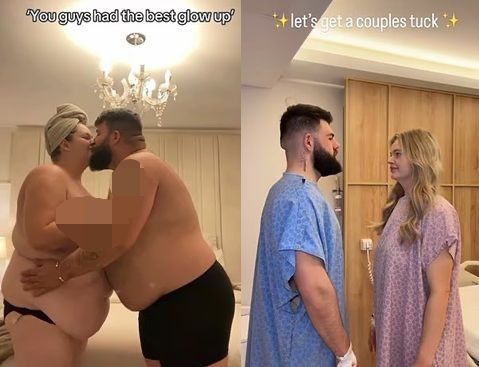
On September 1 (local time), the Daily Mail featured the story of Ellie and her fianc? Rhys Jefferies, who had suffered from obesity their entire lives. They spent all of their 20,000 pounds (approximately 37 million KRW) in wedding savings to undergo weight loss surgery. Both had struggled with obesity since childhood, facing challenges in daily life due to binge eating and food addiction. At one point, Ellie weighed 146 kg and Rhys reached 165 kg, making it difficult for them to even find clothes that fit. After Rhys’s father passed away, the couple made a decisive choice. In January 2022, they abandoned their plans for a wedding and a house, traveled to T?rkiye, and underwent a sleeve gastrectomy, a procedure that removes a portion of the stomach.
This surgery is a representative bariatric procedure that reduces stomach volume to limit food intake. Ellie said, “After the surgery, I had to learn new eating habits and a new mindset to match my changed stomach capacity.” Ellie now weighs 69 kg and Rhys weighs 90 kg. Together, they have lost a total of 152 kg. The couple continues to record their daily calorie intake and meticulously manage their diet and exercise to maintain their weight. However, the rapid weight loss caused issues with loose skin, ultimately leading them to undergo additional surgery.
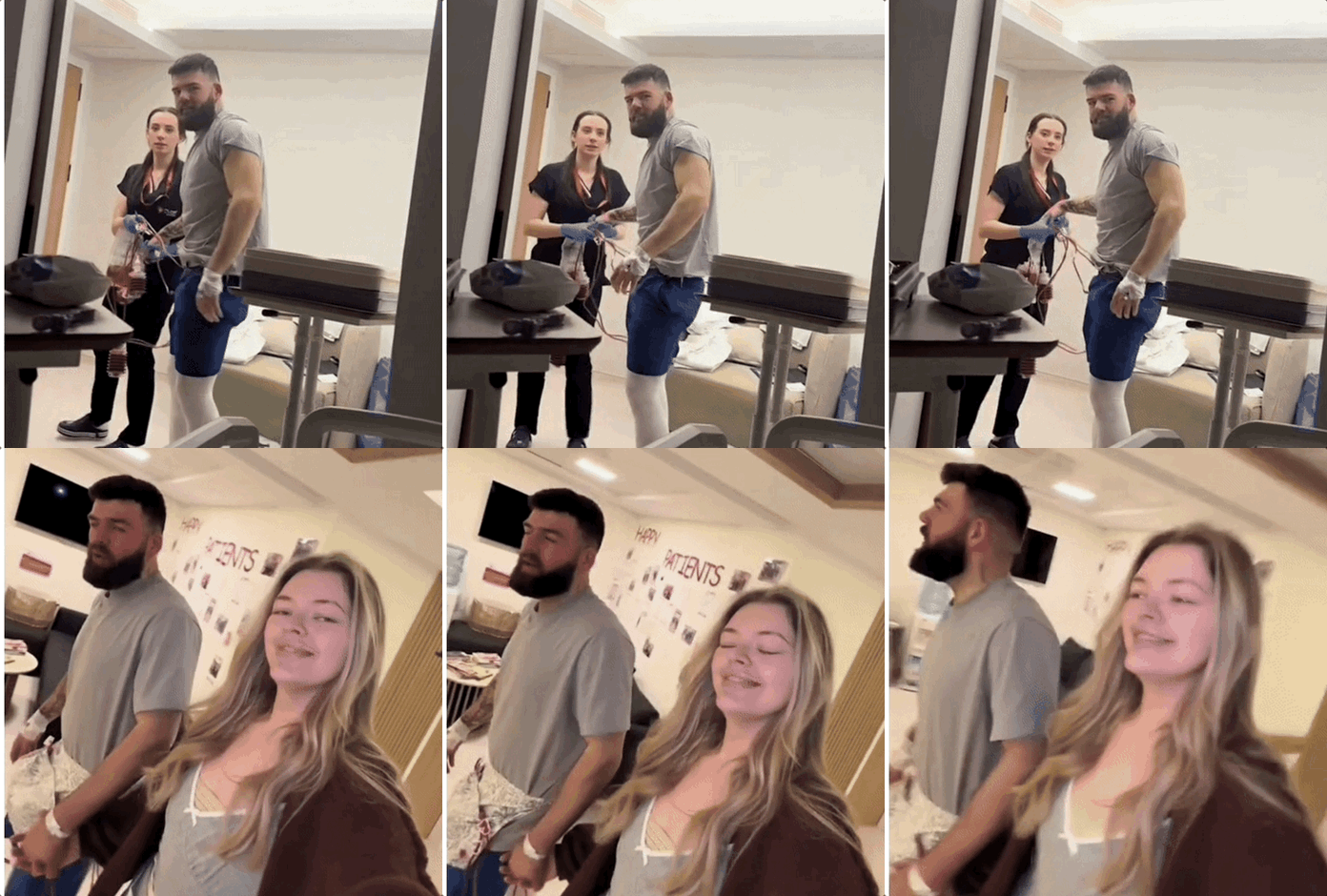
Last summer, Ellie underwent abdominal skin removal and a breast lift, and in April of this year, both had abdominoplasty. Ellie also had an armpit lift, back lift, and liposuction. She shared, “Going through the final surgery together, we helped each other recover and supported one another until the end, which was a great source of strength. There will be no more surgeries. This is the end.” The couple recently purchased a home and are now preparing for their wedding. They added, “Our lives have changed completely. Surgery was just the beginning-now we work hard every day and live a new life. It was the best decision we ever made.”
Bariatric Surgery Surges in Korea After Health Insurance Coverage
Meanwhile, the number of patients in Korea undergoing surgery to address severe obesity has surged in recent years. While only about 500 procedures were performed annually in the past, the number jumped to around 2,500 in 2019 alone. This significant increase is largely due to bariatric metabolic surgery being covered by health insurance since January 2018. As a result, the patient’s out-of-pocket cost for surgery, which used to be about 10 million KRW, dropped to around 2 million KRW with insurance benefits.
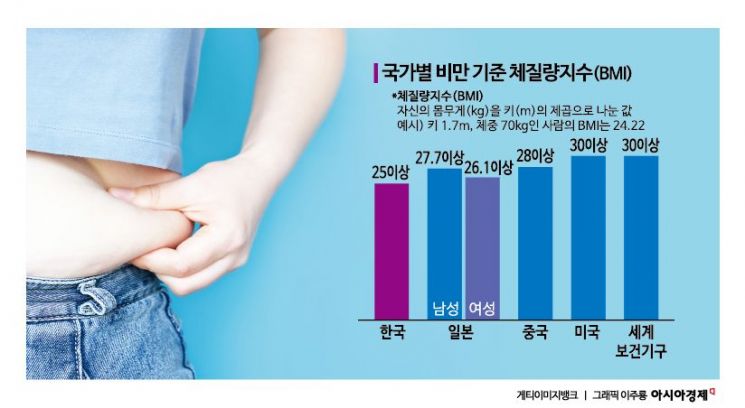
Health insurance coverage for bariatric metabolic surgery applies to patients with a body mass index (BMI) of 35 or higher, or those with a BMI of 30 or higher who also suffer from complications such as type 2 diabetes, coronary artery disease, sleep apnea, gastroesophageal reflux disease, or asthma. There are various types of bariatric metabolic surgery. The “restrictive” method reduces the size of the stomach so that patients feel full more quickly, while the “malabsorptive” method creates a bypass so that food does not pass through part of the small intestine where most absorption occurs.
In 2022, 70% of bariatric surgeries performed in Korea were sleeve gastrectomies, which reduce overall stomach volume by removing a portion of the stomach. This is the same procedure Ellie and Jefferies underwent. In this surgery, only the part of the stomach that produces digestive enzymes is left, while the rest is sealed off. This leads to significant dietary restriction and early satiety due to the reduced stomach volume. The secretion of the appetite-stimulating hormone ghrelin, which is produced in the sealed-off part of the stomach, is also reduced, resulting in decreased appetite. Gastric bypass surgery, on the other hand, involves leaving a small portion of the stomach near the esophagus and attaching the small intestine directly to it. This procedure is recommended for patients with severe obesity and type 2 diabetes, as it is particularly effective in controlling blood sugar after surgery.
© The Asia Business Daily(www.asiae.co.kr). All rights reserved.













