How Will Taebaek’s Abandoned Mine Area Economic Development Project Unfold?
Future Industrial Complex to Be Built on Former Mining Sites with 354 Billion Won Investment
Includes Clean Methanol Production and Core Minerals Industrial Complex Development
Government Allocates 7.4 Billion Won; Push for "Clean Energy Innovation Zone" Designation
Mayor Lee Sangho: "Taebaek Will Be Reborn as a Clean Energy City"
Taebaek in Gangwon Province was once known as the "heart of coal," driving South Korea's industrialization. At its peak, the city flourished with over 40 mining sites and a population exceeding 130,000. However, as the coal industry began to decline in the 1980s, Taebaek's prosperity faded as well.
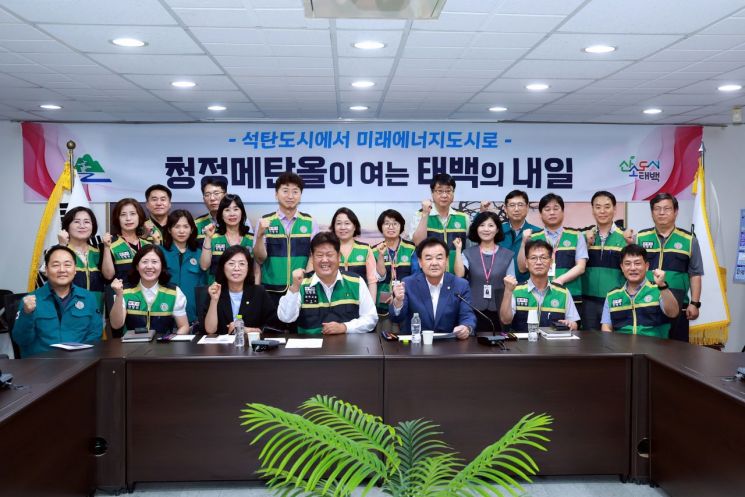 Sangho Lee, Mayor of Taebaek (center front row), and staff are taking a commemorative photo on the 20th of last month to celebrate passing the preliminary feasibility study by the Ministry of Economy and Finance for Taebaek City's Economic Promotion and Development Project. Provided by Taebaek City
According to Taebaek City on September 8, 2025, the closure of the Jangseong Mining Site in 2024 marked the end of all state-run mines operated by Korea Coal Corporation, relegating them to history. The shutdown led to the loss of thousands of jobs, and as young people left the city, the threat of regional extinction became a harsh reality.
In response, Taebaek City adopted a bold strategy to overcome the crisis: a major transition "from coal to clean energy." At the heart of this initiative is "clean methanol."
◆A 100-Year Vision for the Future City Based on Clean Methanol
Clean methanol is an eco-friendly fuel produced from biomass and renewable energy. It is easy to transport and highly effective at reducing greenhouse gas emissions. Global demand for clean methanol is rapidly increasing in shipbuilding, shipping, and petrochemical industries, but there is currently no domestic production base in South Korea. Taebaek City aims to seize this opportunity and become the nation’s first clean methanol production hub.
Against this backdrop, the "Early Mine Closure Area Economic Promotion and Development Project" passed the preliminary feasibility study by the Ministry of Economy and Finance’s Fiscal Project Evaluation Committee on August 20. The core of this project is the creation of a future industrial complex on the former mining sites, with a total investment of 354 billion won. The government has allocated 7.4 billion won in next year’s budget, accelerating the project’s implementation.
The key component of the project is the clean methanol production facility. It will be established on the former Jangseong Mining Site, with an initial annual capacity of 22,000 tons, and can be expanded to over 100,000 tons depending on demand.
Clean methanol will be produced using biomass and water electrolysis technology. It is easy to store and transport, and offers significant greenhouse gas reduction benefits. Although domestic and international demand-especially from the shipping and shipbuilding sectors-is surging, clean methanol is not yet produced in South Korea.
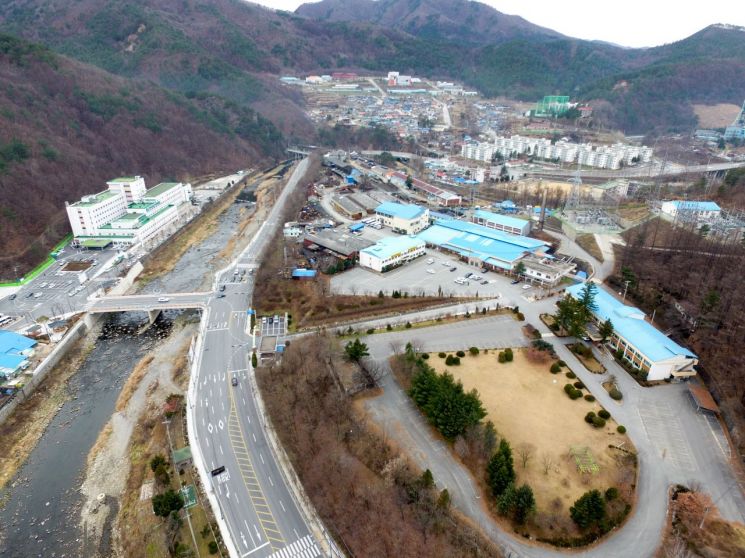
Additionally, a "Core Minerals Industrial Complex" project, with an investment of 22.8 billion won, is underway. This involves creating an additional 36,000-square-meter industrial site in Cheoram-dong, linked to the Goteosil Industrial Complex, to foster industrial clustering. In partnership with the Korea Institute of Geoscience and Mineral Resources, which possesses technologies for extracting and recycling strategic minerals such as nickel, lithium, and titanium, the city plans to actively attract promising companies.
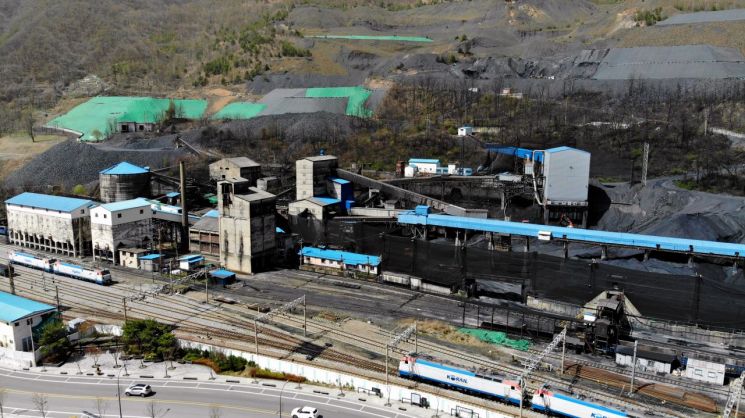
To support logistics, 73 billion won will be invested in developing a "Clean Methanol and Minerals Logistics Facility" on 59,000 square meters of the 200,000-square-meter Cheoram Station and Coal Yard site. This project will utilize existing coal rail infrastructure to store and transport industrial products such as clean methanol and core minerals, establishing a logistics hub for the region.
Furthermore, a 47 billion won project will create a 1,000-unit "Worker Housing Complex." The company housing owned by Korea Coal Corporation has long served as a crucial residence for local citizens, but it is now severely deteriorated. The closure of the Jangseong Mining Site has left no managing entity, raising concerns over housing instability.
To address this, the city plans to utilize 110,000 square meters of the Mungok, Munhwa, and Gyesan apartment sites owned by Korea Coal Corporation, providing housing for both new industrial workers and existing residents.
◆Repurposing the Jangseong Mining Site-Cheoram Coal Yard Horizontal Tunnel as a Clean Methanol Transport Route
The most notable aspect is the reuse of existing coal infrastructure.
Rather than closing the horizontal tunnel connecting the Jangseong Mining Site and Cheoram Coal Yard, the city will convert it into a clean methanol transport route. This approach preserves Taebaek’s historical identity while enhancing efficiency.
According to analysis by the Ministry of Trade, Industry and Energy, the project is expected to create 3,600 jobs during the construction phase alone, with approximately 1,400 direct and indirect jobs annually after operations begin. In the long term, as production facilities expand, there is a strong possibility of population inflow and urban revitalization.
Local residents are hopeful as well. Mr. Kim (54), who lives in Jangseong-dong, said, "When the miners left, the streets emptied out, but if new people move in and jobs are created, the city can come alive again."
However, several challenges remain. Without a stable biomass supply chain, expansion of the clean methanol market, and successful attraction of related companies, the project’s achievements may be limited.
Some see this as a chance to shed the stigma of being a declining industrial city and transform into a future energy hub, while others worry that failure to secure supply chains and attract businesses could turn Taebaek into another ghost town.
In response, Taebaek City is pushing for designation as a "National Clean Energy Innovation Zone" and plans to accelerate tax benefits, research support, and investment incentives.
Taebaek, which once led industrialization with coal, is now preparing for a 100-year future with clean energy. The city’s challenge to transform "from the city of coal to the city of clean methanol" is not merely an industrial shift; it marks a crucial turning point in overcoming the threat of regional extinction and advancing the nation’s energy strategy.
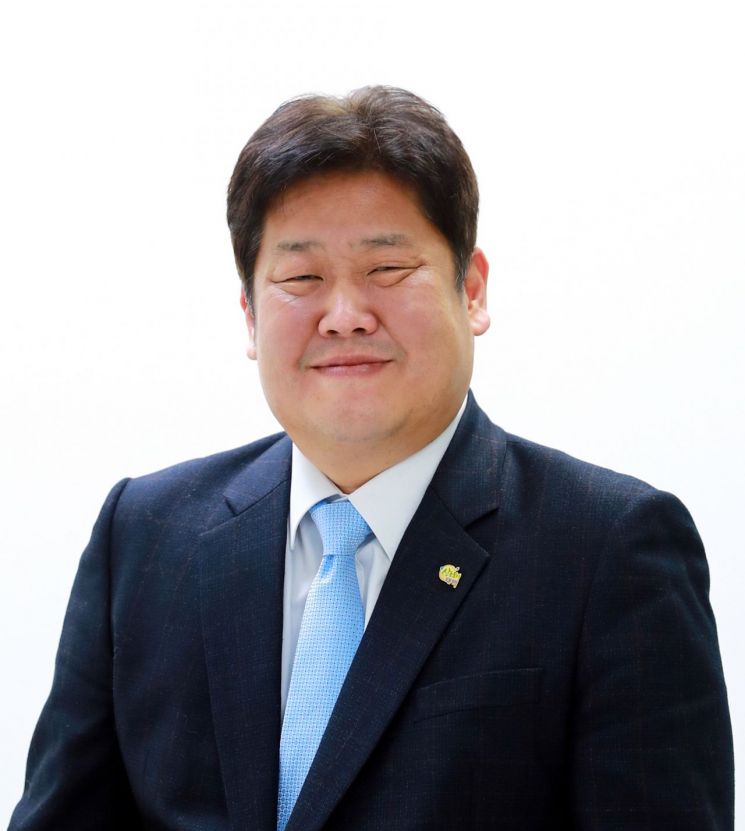
Lee Sangho, Mayor of Taebaek, stated, "Taebaek, which once led South Korea’s industrialization with coal, will now be reborn as a carbon-free clean energy city based on clean methanol. We will work closely with the National Assembly, the Ministry of Trade, Industry and Energy, and Gangwon Special Self-Governing Province to ensure the project proceeds without setbacks."
© The Asia Business Daily(www.asiae.co.kr). All rights reserved.














