Two Die from Vibrio Sepsis After Eating Raw Oysters
Death Reported in Jinju, South Korea as Well
Precautions Urged to Prevent Infection
In Louisiana, United States, two people have died from Vibrio sepsis after consuming raw oysters.
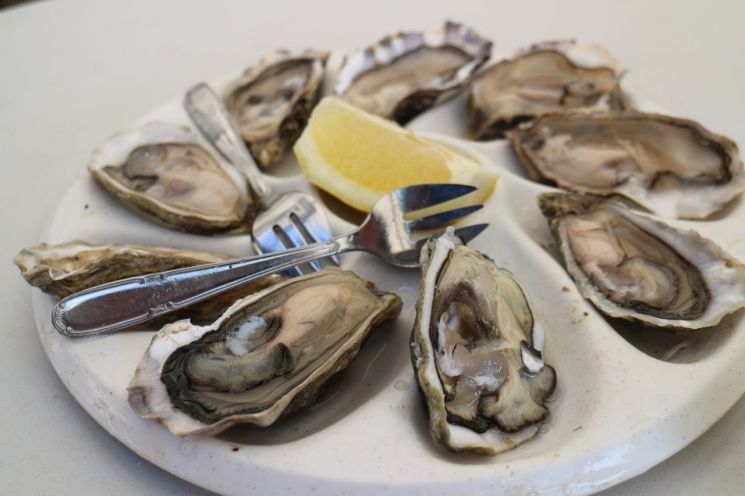
On August 29 (local time), NBC reported, citing the Louisiana Department of Health, that so far, four people have died and 22 have been hospitalized due to infection with the Vibrio vulnificus bacteria. Of the four who died, two had consumed raw oysters. Additionally, it was confirmed that more than 80% of the 22 hospitalized residents had wounds that were exposed to seawater.
Vibrio vulnificus is a bacterium that inhabits seafood in warm coastal waters above 18 degrees Celsius and is more common from May to October. The bacteria can enter the human body if seafood contaminated with Vibrio vulnificus is eaten raw or undercooked, or if skin wounds are exposed to contaminated seawater.
After an incubation period of about 16 to 24 hours, infection with Vibrio vulnificus can cause symptoms such as acute fever, chills, low blood pressure, abdominal pain, vomiting, and diarrhea. Within 24 hours of symptom onset, skin lesions such as rashes, swelling, and blisters may appear on the legs, progressing to necrotic lesions where skin and subcutaneous tissue cells die. Due to these symptoms, the bacteria are also nicknamed "flesh-eating bacteria."
In South Korea, cases begin to occur from May or June each year, peaking in August, so caution is required. When consuming seafood, it is important to follow preventive guidelines, and especially for high-risk groups with liver problems or weakened immune systems, raw seafood should be avoided. Vibrio sepsis is classified as a third-degree statutory infectious disease in South Korea, and in high-risk groups such as those with chronic liver disease or diabetes, the fatality rate can reach up to 50%. It is also advisable to avoid contact with seawater if you have skin wounds. If a wound does come into contact with seawater, the area should be washed thoroughly with clean water.
During the summer, seafood should be stored at temperatures below 5 degrees Celsius and washed thoroughly under running water. It is recommended to cook seafood thoroughly at temperatures above 85 degrees Celsius before consumption. When handling seafood, it is best to wear gloves, and cutting boards and knives used should be disinfected.
Meanwhile, in South Korea, on August 23 (Korean time), an elderly man in his 80s who was hospitalized with leg pain and swelling at a hospital in Jinju City died. Tests confirmed that the cause was Vibrio sepsis.
© The Asia Business Daily(www.asiae.co.kr). All rights reserved.

















