Sheinbaum Administration Considers Additional Tariffs on Chinese Imports
as Part of Next Year's Budget Plan
According to a report by Bloomberg on August 27 (local time), the Mexican government is considering raising tariffs on Chinese imports ahead of next month's announcement of the budget proposal for the coming year.
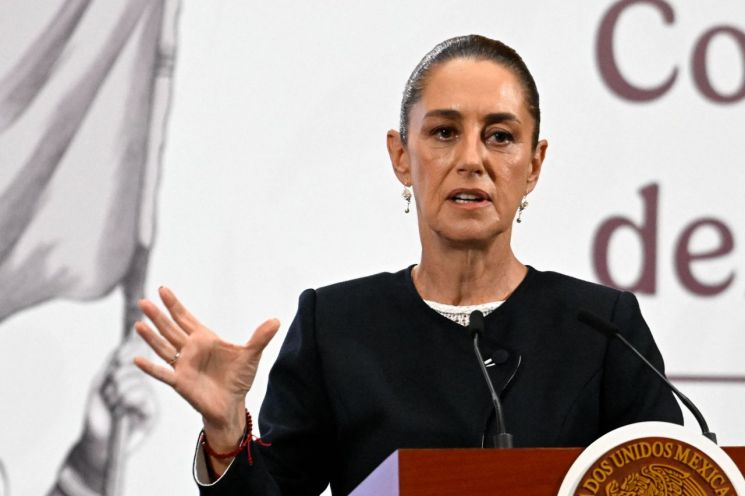
According to three sources, the administration of Claudia Sheinbaum is discussing the imposition of additional tariffs on Chinese imports such as automobiles, textiles, and plastics during the process of drafting the 2026 budget proposal, which must be submitted to Congress by September 8. The specific tariff rates have not yet been determined, and the plan may be subject to change.
One official stated that not only China but also other Asian countries are expected to face tariff increases.
At first glance, the increase in tariffs on Chinese goods appears to be aimed at boosting tax revenue. Due to the massive spending policies of the previous administration under Andres Manuel Lopez Obrador, Mexico's fiscal deficit last year expanded to its largest level since the 1980s. The Sheinbaum administration faces the challenge of increasing revenue to ease the fiscal burden while avoiding large-scale tax hikes. In its push to revitalize domestic industries, the Sheinbaum government has previously raised tariffs on certain foreign goods, such as textiles and apparel.
However, Bloomberg pointed out that pressure from the Donald Trump administration in the United States is also a factor behind the move to raise tariffs on Chinese goods. Since the beginning of this year, the Trump administration has reportedly urged Mexico to increase tariffs on Chinese imports, similar to the United States. In February, U.S. Treasury Secretary Scott Besant proposed that Mexico curb imports of Chinese products and strengthen trade and manufacturing ties among the three countries based on the United States-Mexico-Canada Agreement (USMCA), under the concept of building a "Fortress North America."
For example, Mexico currently imposes tariffs of up to 20% on Chinese automobiles. However, this is relatively low compared to the United States, which imposes a 100% tariff on Chinese electric vehicles and has banned the sale of most vehicles equipped with software developed in China.
Bloomberg explained that the reason the United States, Mexico's largest trading partner, is pressuring Mexico to block the influx of cheap Chinese products is based on President Trump's claim that these products are entering the United States via Mexico.
© The Asia Business Daily(www.asiae.co.kr). All rights reserved.
!["The Woman Who Threw Herself into the Water Clutching a Stolen Dior Bag"...A Grotesque Success Story That Shakes the Korean Psyche [Slate]](https://cwcontent.asiae.co.kr/asiaresize/183/2026021902243444107_1771435474.jpg)
















