150 Billion Invested in Port Modernization,
Driving Tourism and Income Growth
Seomjingang Jaecheop Designated as FAO Globally Important Agricultural Heritage
Developing Specialized Fisheries Products,
Aiming for a Leap as 'K-Food'
Gwangyang City in South Jeolla Province is accelerating efforts to establish a "sustainable, future-oriented marine and fisheries model" that combines global trends with local characteristics, going beyond its traditional marine and fisheries industries.
This initiative is part of a strategy to transform the local fisheries sector into a high value-added industry in response to declining marine resources and changing consumer trends. Gwangyang, a city once centered on steel and port industries, is now positioning marine and fisheries as a new growth engine to achieve balanced urban development.
Since 2019, Gwangyang City has been implementing the "Fishing Village New Deal 300 Project" and the "Inland Fishing Village Regeneration Project." The ongoing "Port Modernization Project," with a total budget of 15 billion KRW, targets three locations: Dochon Port in Gwangyeong-dong, Wow Port in Madong, and Seomjin Port in Daap-myeon. The project includes the maintenance of docks and seawalls, installation of floating and fixed piers, and the construction of a fisheries support center.
Construction has been completed at Wow Port and Seomjin Port, while finishing work at Dochon Port is underway with the goal of completion by December this year. Through this project, the city aims to attract more tourists and increase fishermen's income simultaneously. Going forward, the city plans to operate resident capacity-building programs in collaboration with local councils and establish a sustainable management system.
Seomjingang jaecheop, a specialty product representing Gwangyang, was designated as a "Globally Important Agricultural Heritage System (GIAHS)" by the Food and Agriculture Organization (FAO) in July 2023. This recognition reflects the international acknowledgment of the ecological value and sustainability of traditional Seomjingang hand net fishing.
With this recognition, the city is actively pursuing strategies to transform the jaecheop industry into a global high value-added sector. In particular, Gwangyang is working to enhance market competitiveness through branding and the development of processed foods. In October, the city plans to participate in the GIAHS certificate award ceremony and international exhibition hosted by the FAO, promoting the history and culture of Seomjingang jaecheop to a global audience. Through these efforts, the city aims to secure a foothold in overseas markets and elevate jaecheop as a leading K-food product.
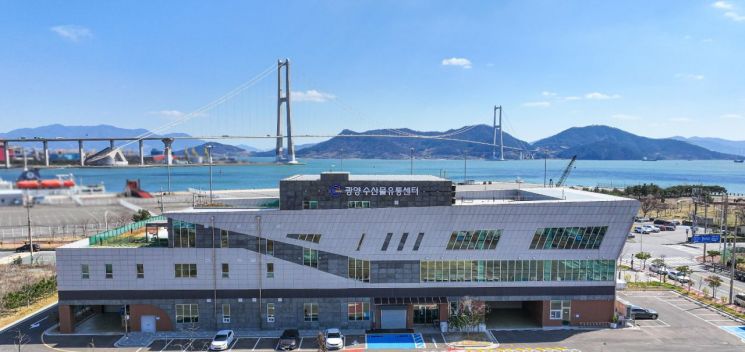
The Gwangyang Seafood Distribution Center is shifting away from its traditional wholesale focus and is being transformed into an experiential, multi-purpose cultural space for both citizens and tourists to enjoy.
The city is building a "one-stop system" that integrates seafood distribution with cultural and experiential activities, and has already demonstrated educational benefits through field trip programs for daycare centers.
After confirming demand for cultural events and experiential programs through a public idea contest, the city will open a direct seafood market next month, offering fresh seafood for sale along with a variety of hands-on content. Moving forward, Gwangyang plans to continuously expand experiential content and foster the Gwangyang Seafood Distribution Center as a leading local seafood culture landmark.
In particular, to respond to the evolving fisheries environment, the city has identified key strategies: smart fisheries, improvement of fishing village living conditions, global branding of specialty products, and revitalization of the seafood distribution center. Gwangyang plans to enhance productivity and safety through digital-based smart fisheries and focus on establishing an eco-friendly inland aquaculture foundation.
Additionally, the city will develop local marine resources such as gim bugak, Seomjingang jaecheop, gizzard shad, and cherry blossom oysters into specialized products to expand into the K-food sector, while simultaneously pursuing entry into domestic and international markets and raising global awareness. Through branding and food processing, Gwangyang aims to develop these products into culinary resources enjoyed worldwide.
Mayor Jung Inhwa stated, "Gwangyang is expanding from a steel and port-centered industrial city to a new growth axis based on marine and fisheries. By achieving the GIAHS designation for Seomjingang jaecheop and creating seafood cultural spaces, we will enhance the quality of life for citizens, increase fishermen's incomes, and leap forward as a sustainable, future-oriented marine and fisheries city."
© The Asia Business Daily(www.asiae.co.kr). All rights reserved.
![Clutching a Stolen Dior Bag, Saying "I Hate Being Poor but Real"... The Grotesque Con of a "Human Knockoff" [Slate]](https://cwcontent.asiae.co.kr/asiaresize/183/2026021902243444107_1771435474.jpg)
















