Additional Disaster Relief Funds for Residents' Livelihood Stability and Early Disbursement
1.294 Billion Won Secured for Improvement and Restoration Projects
Reflects Proposals to Central Government Ministries
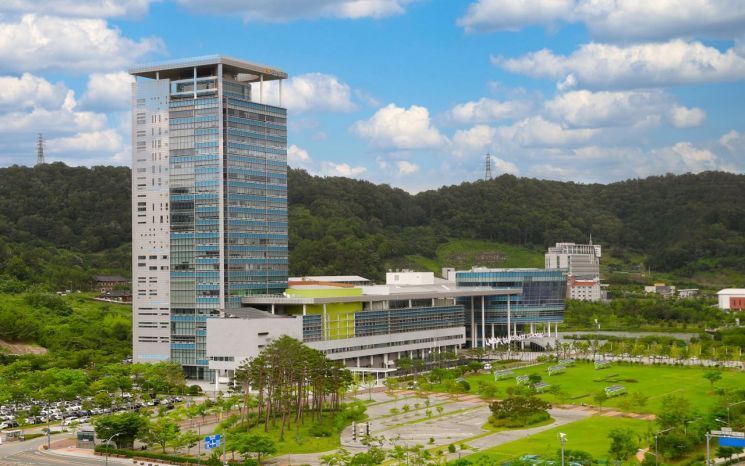
Jeollanam-do announced that a recovery plan, which includes a total of 280.4 billion won in recovery funds for damages caused by the torrential rains that lasted from July 16 to 20, has been finalized following a review by the Central Disaster and Safety Countermeasures Headquarters.
During that period, Jeollanam-do experienced record-breaking rainfall, including 601mm at Baegunsan in Gwangyang, 540.5mm at Bongsan in Damyang, 516mm at Seongsamjae in Gurye, and 508.5mm at Geumcheon in Naju. The damages amounted to a total of 104.5 billion won, with 42.9 billion won in private facilities and 61.6 billion won in public facilities.
Damyang County, which suffered the most severe damage, was first designated as a special disaster area. Subsequently, Naju City, Hampyeong County, and ten towns and townships (Daap-myeon in Gwangyang, Ganjeon-myeon and Toji-myeon in Gurye, Iseo-myeon in Hwasun, Gunnam-myeon and Yeomsan-myeon in Yeonggwang, Jido-eup, Imja-myeon, Jaeun-myeon, and Heuksan-myeon in Sinan) were also designated as special disaster areas.
By region, the recovery project funds allocated are 123 billion won for Damyang, 58.1 billion won for Naju, and 20.1 billion won for Hampyeong, totaling 280.4 billion won. For the three cities and counties and ten towns and townships designated as special disaster areas, an additional 47.7 billion won in national funds has been secured, reducing the financial burden on local governments.
Of particular note is that 129.4 billion won has been secured for improvement and restoration projects, covering a total of eight projects including the Orecheon local river. This achievement is the result of proposals made to central government ministries based on the provincial administration's policy that improvement and restoration projects are essential for fundamentally resolving large-scale damage areas, going beyond simple functional restoration. It is considered a meaningful step toward fundamental disaster prevention in the future.
The recovery plan also includes additional disaster relief funds as consolation payments for items directly affecting residents' lives, such as homes, stores, and crops. For flooded homes, an additional 3.5 million won will be provided on top of the existing disaster relief fund of 3.5 million won. For small business owners whose workplaces were damaged, a total of 10 million won will be provided, which includes the existing disaster relief fund of 3 million won, an additional 2 million won from the Jeollanam-do disaster relief fund, and a consolation payment of 5 million won.
Additionally, the support rate for replanting costs of agricultural and forestry crops, as well as for stocking livestock and aquatic products, will be increased from the previous 50% to 100%. The recovery fund support rates for agricultural, livestock, forestry, and fishery facilities will be raised from 35% to 45%, and for agricultural machinery from 35% to 50%.
Livelihood support for farms affected by crop destruction will also be significantly expanded. For general crops, the support period will be extended from one month to up to three months; for horticulture and livestock, from one month to up to six months; and for fruit trees, from one month to up to twelve months, with additional differentiated support provided.
Jeollanam-do plans to provide disaster relief funds for private facilities totaling 34.1 billion won as quickly as possible, utilizing pre-allocated budgets and the provincial disaster management fund, to help residents affected in the housing, commercial, and agricultural sectors stabilize their livelihoods promptly.
© The Asia Business Daily(www.asiae.co.kr). All rights reserved.