Record-High Share of Households Without Homes in Seoul Among 17 Regions
Soaring Home Prices and Tighter Lending Rules Drive the Trend
With the number of households without homes nationwide nearing 10 million, the volume of monthly rental transactions has reached an all-time high. In particular, statistics show that in Seoul, the pace of income and asset growth is failing to keep up with rising housing prices, making home ownership increasingly difficult.
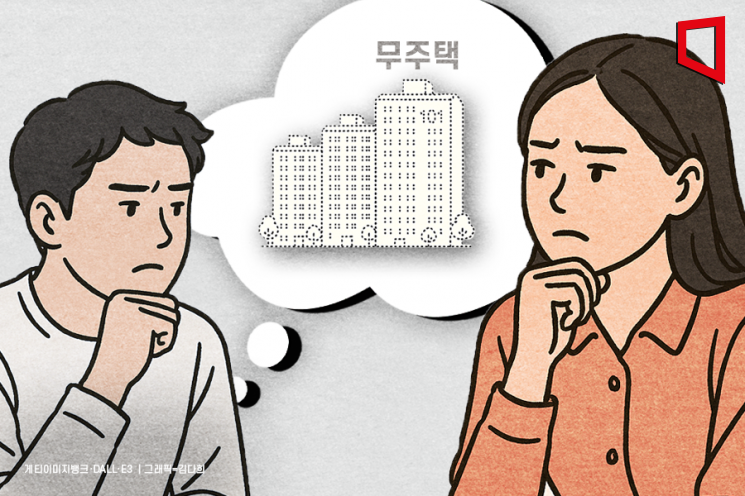
According to Yonhap News on August 17, citing Statistics Korea’s Housing Ownership Statistics, there were 9,618,000 households without homes nationwide as of 2023, accounting for 43.6% of all households. This figure represents an increase of about 70,000 households compared to the previous year.
More than half of these households-approximately 5.06 million-were concentrated in the greater Seoul area. In Seoul itself, 51.7% of all households did not own a home. Seoul is the only one among the nation’s 17 major cities and provinces where the proportion of households without homes exceeds half. The percentage of households without homes in Seoul has been rising for two consecutive years.
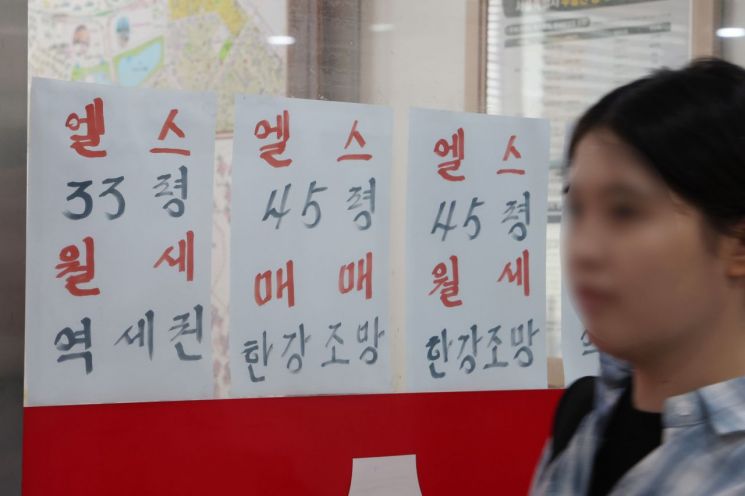
This trend appears to be due to the steep rise in housing prices. According to the Bank of Korea, from January 2023 to April this year, home sale prices in Seoul increased by 16.1%. The cumulative increase over the past 20 years exceeds 400%. In contrast, the ‘Housing Purchase Supply Index,’ which measures the ratio of homes affordable to median-income households, plummeted from 32.5 in 2012 to 3.0 in 2022.
As a result, the rental market-including both jeonse and monthly rentals-has become increasingly volatile. According to the Supreme Court’s Registry Information Plaza, there were approximately 1,056,000 monthly rental contracts with confirmed dates between January and July this year, a 27% increase compared to the same period last year.
Notably, the greater Seoul area-including Seoul (about 343,000 contracts), Gyeonggi Province (about 292,000 contracts), and Incheon (about 51,000 contracts)-accounted for half of all transactions, marking an all-time high. The proportion of jeonse contracts fell into the 30% range for the first time, while the shift toward monthly rentals accelerated rapidly.
Experts attribute this to a combination of soaring housing prices and tighter lending regulations. They analyze that, following the sharp rise in jeonse prices after the implementation of the three major tenancy laws in 2020, the introduction of stricter lending rules in June has made it even more difficult for tenants to secure financing. These factors are seen as the main drivers behind the trend.
© The Asia Business Daily(www.asiae.co.kr). All rights reserved.












