Interest Subsidies of Up to 580,000 Won for Loan-Based Consumption
"Innovative Experiment to Stimulate Domestic Demand"
Benefits Extended to Service Sector Self-Employed and SMEs
The Chinese government is set to boost domestic demand by implementing a policy that provides an annual maximum loan interest subsidy of 3,000 yuan (approximately 580,000 KRW) per person. This initiative aims to stimulate consumption by reducing the interest burden on personal loans for individual consumers.
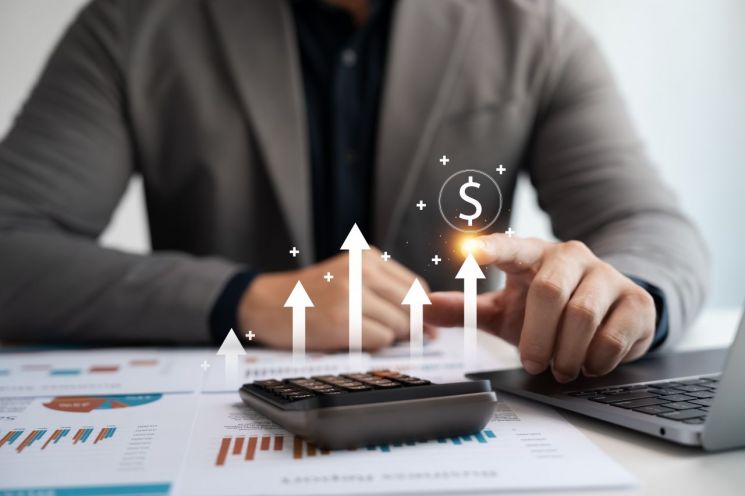 The Chinese government will provide an annual maximum loan interest subsidy of 3,000 yuan (approximately 580,000 KRW) per person to stimulate consumption. Photo by Getty Images
On August 13, Yonhap News reported that China’s Ministry of Finance, People’s Bank of China, and National Financial Regulatory Administration jointly announced the “Implementation Plan for Personal Consumption Loan Interest Subsidy Policy.” According to the plan, if individuals use their loan funds for actual consumption and can verify transactions through the loan disbursement account, the government will cover up to 1 percentage point of annual interest, with a cap of 3,000 yuan (about 580,000 KRW) per person.
The subsidy applies to consumption of less than 50,000 yuan (about 9,620,000 KRW) per transaction. However, for major sectors such as automobile purchases and education, subsidies will also be provided for spending exceeding 50,000 yuan.
The cost of the subsidy will be split, with the central government covering 90% and local governments covering the remaining 10%. Authorities plan to implement the policy from September 1 of this year until the end of August next year, and will consider extending or expanding it based on its effectiveness.
Liao Min, Vice Minister of Finance, described the measure as “an innovative experiment in fiscal and financial support to promote domestic consumption,” adding that “it will be even more effective when combined with existing consumer goods trade-in programs for home appliances and automobiles.”
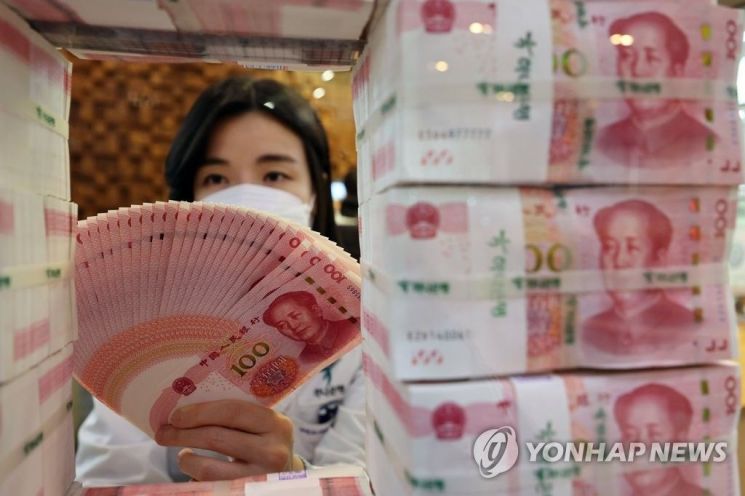
Since last year, China has been promoting policies to stimulate consumption, such as the “Yi Jiu Huan Xin” (trade-in of old products for new ones) program. As a result, in the first half of this year, total consumption of eligible items such as electric vehicles, home appliances, and electronic devices increased by 5% compared to the same period last year.
Interest subsidies will also be provided to business operators in the service sector. The Ministry of Finance plans to offer subsidies covering 1 percentage point of loan interest rates for businesses in eight service sectors: catering, accommodation, healthcare, elderly care, childcare, domestic services, culture and entertainment, tourism, and sports. The maximum loan amount eligible for the subsidy is 1 million yuan (about 19,227,000 KRW), and the loans must be used to improve consumption infrastructure or service supply capacity.
Wang Bo, Deputy Director-General of the Department of Trade in Services and Commercial Services at the Ministry of Commerce, stated, “The goal is to address the shortage of service supply in China and to foster new types and models of services.” He added, “Since the service sector accounted for 48.8% of jobs last year, expanding service consumption will also contribute to employment stability.”
The South China Morning Post (SCMP) analyzed the policy, stating that “China is aiming to boost domestic demand in response to increased external uncertainty caused by U.S. trade policies, as well as to combat persistent domestic deflationary pressures.”
© The Asia Business Daily(www.asiae.co.kr). All rights reserved.


















