International Medical Journal 'The Lancet' Issues Warning
"Neither Biodegradable Nor Recyclable"
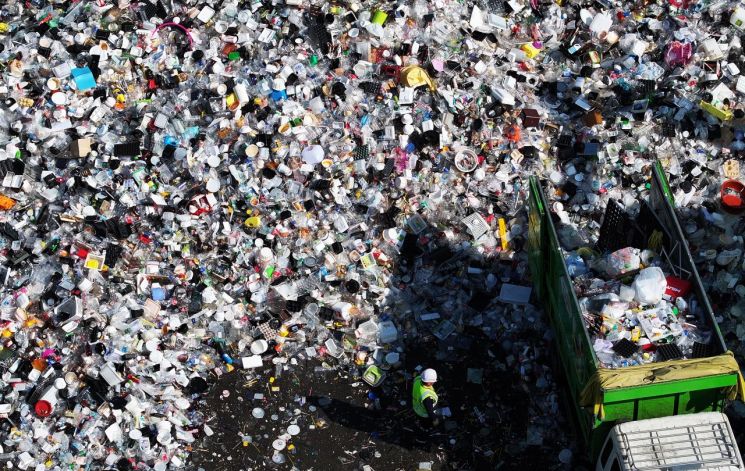
There have been concerns that, as plastic production has increased more than 200 times since 1950, non-biodegradable and unrecycled plastic waste is now covering the planet.
According to the British daily The Guardian, the international medical journal The Lancet released a report on August 3 (local time) containing these findings.
According to the report, plastic production grew from 2 megatons (Mt) in 1950 to 475 Mt in 2022, an increase of more than 200 times. At the current rate, plastic production is projected to reach 1,200 Mt by 2060.
As plastic production has increased, plastic waste has also surged. The report analyzed that currently 8,000 Mt of plastic waste is polluting the planet's ecosystems, with only 10% of it being recycled.
The report also warned that the dangers of plastic are not yet widely known. It estimated that plastic causes diseases and deaths from infancy through old age, resulting in health-related losses of $1.5 trillion (approximately 2,076 trillion won) each year. The report particularly pointed out that these impacts are concentrated among low-income groups and those in vulnerable situations.
The Lancet announced that, starting today, it will launch an independent, indicator-based international monitoring system. The plan is to identify and track indicators with geographic and temporal representativeness and to report on them regularly.
Previously, at the 5th United Nations Environment Assembly (UNEA) in March 2022, it was decided to adopt an internationally legally binding agreement to address plastic pollution. Related meetings will continue in Geneva.
© The Asia Business Daily(www.asiae.co.kr). All rights reserved.

















