Starbucks to Phase Out Pickup-Only Stores
About 90 Locations in the US Operate Without Seating
"Pickup Stores Do Not Fit the Brand Image"
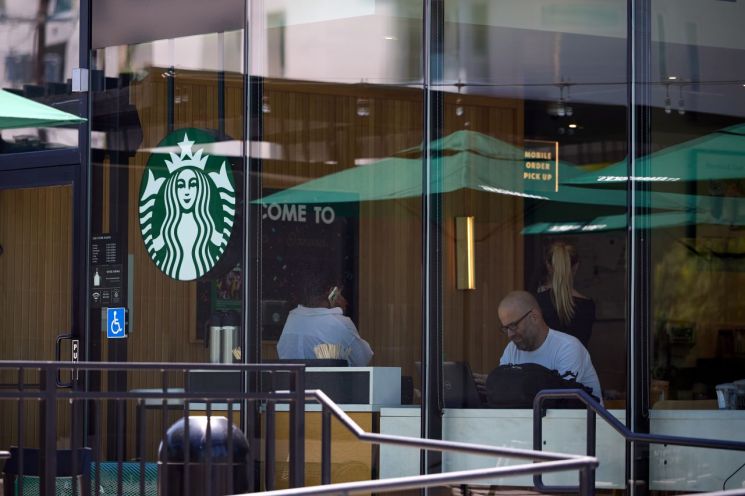
Starbucks, the world's largest coffee brand, will gradually phase out its pickup-only stores that operate without seating.
According to the BBC in the UK and the Wall Street Journal (WSJ) in the US on the 30th (local time), Brian Niccol, CEO of Starbucks, announced this policy during the third quarter earnings conference call on the 22nd.
CEO Niccol stated, "(Pickup-only stores) are excessively transaction-focused," adding, "We concluded that they lack the warmth and human connection that define our brand." He also noted, "Even with our traditional stores with seating, we can provide the same level of convenience as pickup stores through mobile ordering."
The first pickup-only store appeared in New York, USA, in 2019. In 2020, then-CEO Kevin Johnson set a policy to increase the number of takeout stores, mainly in major cities. Currently, there are about 90 pickup-only stores without seating operating in the United States.
However, as criticism emerged that pickup-only stores do not align with the Starbucks brand image, the company decided to phase out this type of store. Some locations will be converted into traditional stores with seating.
Since taking office in September last year, CEO Niccol has focused on restoring the brand image of Starbucks as a "welcoming coffeehouse with great seating" rather than pursuing automation and workforce reduction, under the "Back to Starbucks" strategy. He explained, "In the fourth quarter, we plan to unveil a 'next-generation coffeehouse' equipped with seating and drive-thru features."
CEO Niccol is implementing various management strategies to improve Starbucks' performance. These include menu simplification, enhancing in-store experiences,and reducing the time to serve each beverage to under four minutes.
However, these management policies have not yet translated into results. In the third quarter, Starbucks' US store sales decreased by 2% compared to the same period last year, marking a decline for six consecutive quarters. Third-quarter net profit also fell by 47% over the same period to $558 million (about 776.2 billion won), falling short of Wall Street expectations.
© The Asia Business Daily(www.asiae.co.kr). All rights reserved.
![User Who Sold Erroneously Deposited Bitcoins to Repay Debt and Fund Entertainment... What Did the Supreme Court Decide in 2021? [Legal Issue Check]](https://cwcontent.asiae.co.kr/asiaresize/183/2026020910431234020_1770601391.png)















