GS25 and CU Introduce Products After Completing Licensing This Month
Focus on Small-Packaged Products Priced Between 3,000 and 5,000 Won
Seven Eleven and Emart24 Aim to Launch Sales in the Second Half of the Year
Daiso's Success Spurs Fierce Competition Among Retailers
The four major convenience store chains are focusing their efforts on the health functional food category in the second half of this year. They are making a strategic move by offering value-for-money products in the 3,000 to 5,000 won range. In response to Daiso's 'health functional food popularization' strategy, which has gained traction, they plan to leverage their accessibility?being located near residential areas and workplaces?to target consumers seeking affordable health management options.
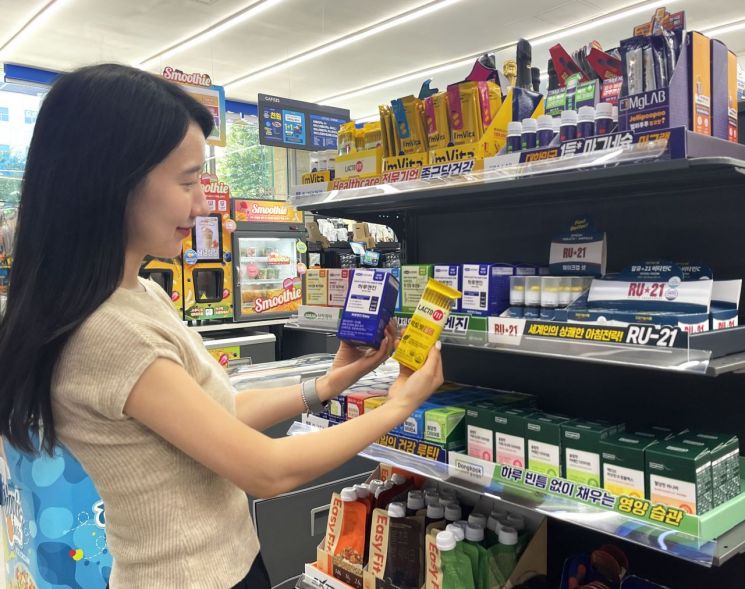 A model is examining health functional foods displayed on the shelves at a GS25 store. Photo by GS Retail
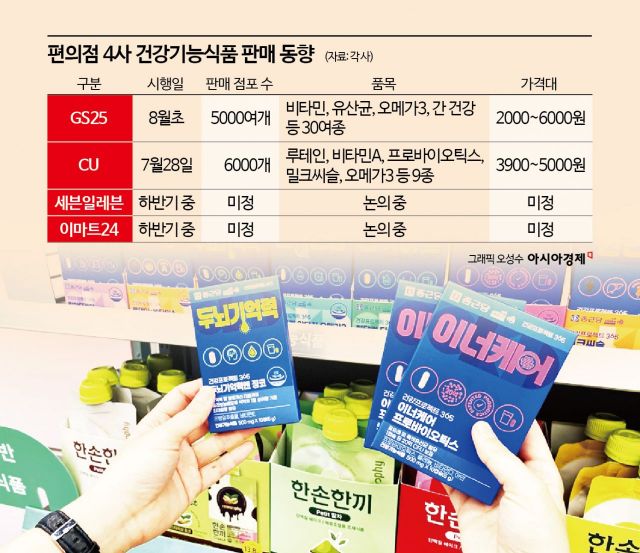
According to industry sources on August 2, GS25, operated by GS Retail, will introduce around 30 types of health functional foods this month in collaboration with major pharmaceutical companies and health food specialists. These products will be gradually rolled out to approximately 5,000 stores, accounting for about 28% of GS25's 18,000 locations nationwide. The lineup includes about 30 products such as vitamins, probiotics, omega-3, and liver health supplements. Prices range from a minimum of 2,000 won to a maximum of 6,000 won, with most products priced in the 5,000 won range.
Previously, convenience stores could only sell health foods similar in form to health functional foods, such as vitamin gummies. After introducing these products, they confirmed significant demand and have since expanded their offerings to include health functional foods containing functional ingredients. In fact, GS25's health food sales in the first half of this year increased by 98.6% compared to the same period last year.
Unlike general products, health functional foods can only be sold after each store completes a specific process and obtains sales permits from local governments. Among all GS25 franchisees who applied to sell health functional foods, 52.4% were located in the Seoul metropolitan area and 47.6% in other regions, indicating evenly distributed demand nationwide. GS25 plans to further expand its lineup in September by adding imported premium products and new releases from major domestic pharmaceutical companies.
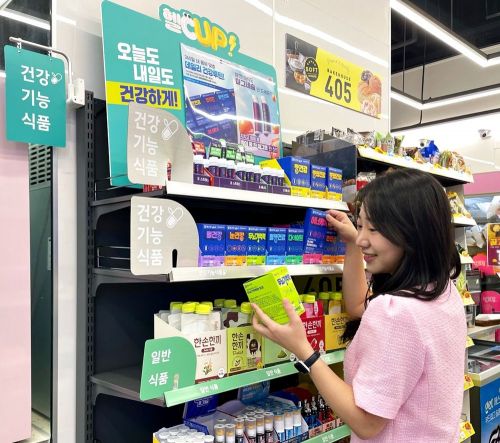
CU, operated by BGF Retail, has completed the necessary sales permits for health functional foods at over 6,000 stores nationwide that applied in advance, and began offering these products at those locations on July 28. Out of more than 18,600 total stores, 32% expressed interest in carrying these products.
CU's health functional foods, developed in collaboration with pharmaceutical companies Chong Kun Dang and Dong Wha Pharm, consist of 11 products. The lineup includes lutein, vitamin A, probiotics, milk thistle, and omega-3. Nine products are priced at 5,000 won and two at 3,900 won. CU initially introduced health foods such as gummies and ready-to-drink beverages, observed a significant increase in sales, and then expanded into health functional foods. In the first half of this year, health food sales increased by 85% compared to the same period last year.
A CU representative stated, "Starting with new health functional food products, we plan to continue introducing a variety of small-sized, high-quality, and reasonably priced products in partnership with various pharmaceutical companies and health food specialists."
Additionally, Seven Eleven, operated by Korea Seven, and Emart24, a Shinsegae Group convenience store chain, are also surveying franchisee demand for health functional foods with the goal of introducing them in the second half of this year. An industry representative said, "We will proceed with the necessary licensing procedures for franchisees wishing to participate in health functional food sales, and discuss product production with pharmaceutical companies scheduled for collaboration. As competitors have started selling health functional foods around the same time, we plan to launch related product lines without delay."
The main reason convenience store chains are rushing into the health functional food business is the influence of Daiso, which was first to enter the market. Since February, Daiso has been selling around 30 types of small-packaged health functional foods in collaboration with three pharmaceutical companies, priced between 3,000 and 5,000 won. These value-for-money products attracted attention by being significantly cheaper than those sold at pharmacies or specialty health food stores.
Initially, Daiso piloted health functional food sales at 200 out of its 1,576 stores nationwide. Due to positive customer response, the number of participating stores expanded to around 700 as of last month. The number of collaborating pharmaceutical companies and product types also increased to seven and about 50, respectively. Daiso plans to further expand both the number of stores and product offerings in the future.
An industry representative commented, "Health functional foods appeal to a broad customer base, with demand from infants, teenagers, office workers, and middle-aged to older adults. Given consumers' growing interest in health management, the market has significant growth potential." According to the Korea Health Supplements Association, the domestic health functional food market grew from 1.2 trillion won in 2005 to 6.044 trillion won last year, expanding more than fivefold.
© The Asia Business Daily(www.asiae.co.kr). All rights reserved.














