Gimpo City Parks Transform Daily Life
From Water Playgrounds and Barefoot Trails to Night Views
Comprehensive Infrastructure and Programs
95% Satisfaction, Over 32,000 Participants
How Gimpo City Parks Are Changing Citizens' Lives
Gimpo City in Gyeonggi Province is accelerating its vision of becoming a "city where parks become culture," transforming parks from simple places of rest into cultural hubs embedded in citizens' daily lives.
Parks in Gimpo, where urban culture and nature coexist, are gradually taking shape in line with the core pledge of the 8th popularly elected administration to create family-friendly parks. In particular, citizen-participatory content such as barefoot walking trails, water play facilities, mat theaters, and ecological experience programs are being introduced in various forms, significantly enhancing citizen satisfaction.
Currently, there are 37 water play facilities in operation within Gimpo's parks, and 17 barefoot walking trails have been established for close citizen access. Emotional content is also diverse. Citizens can enjoy mat theaters, participate in ecological experience programs, or take part in cultural and artistic programs that allow them to appreciate the night view. To ensure that parks function not just as "spaces to look at" but as "spaces to stay and enjoy together," the city is continuously expanding experiential programs and emotional content.
Citizen satisfaction is high as well.
A resident of Janggi-dong, identified as Park, said, "Gimpo is a great place for walking or exercising because the parks and walking trails are very well maintained. The nighttime lighting is excellent, so it's comfortable to visit even late in the evening, and with a variety of cultural and convenience facilities, it's a great place to take a stroll and spend leisure time with children."
Gimpo City plans to continue creating themed parks in line with future urban development projects. At the same time, the city will focus on developing and managing parks along Gimpo's unique waterfront trails, so that they can become cultural hubs in citizens' daily lives, blending culture, leisure, ecology, and emotion.
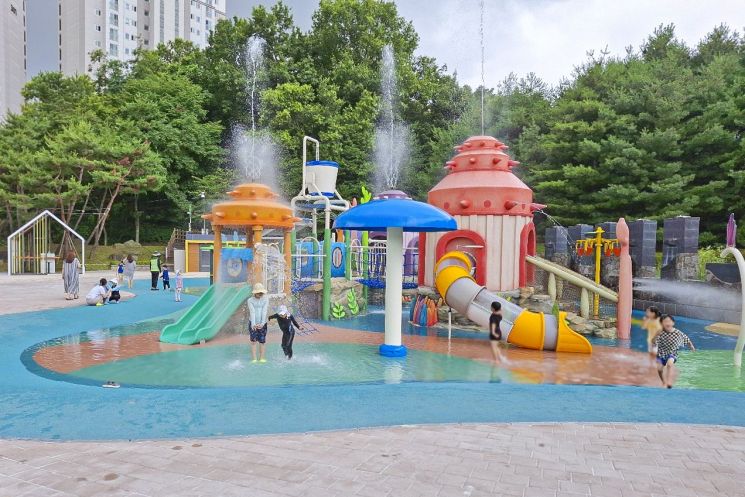
The water play facilities in Gimpo's parks operate daily from 11:00 a.m. to 5:40 p.m. during the summer vacation period. The water playground at Geolpo Central Park, which opened on July 2, features a 709-square-meter area with shallow pools for infants and children, a combination play structure, water tunnel, water revolution, and palm tree bucket, making it a family-friendly space with various water play facilities. Hangang Central Park is also popular, as it allows for nighttime water play until 9:00 p.m. on Fridays and Saturdays.
This year, in particular, an information service was introduced to improve accessibility and convenience at water play facilities. QR codes are provided via banners throughout the parks and on the Gimpo City website, allowing citizens to easily check real-time operating hours, inspection schedules, and temporary suspensions due to weather conditions on their smartphones.
Seventeen barefoot walking trails are being established, allowing citizens to walk while feeling the earth and nature. These barefoot walking trails are gaining attention as new community spaces where people can connect with nature in their daily lives, restore their bodies and minds, and communicate with neighbors.
The city listened to citizens' feedback regarding the use of barefoot walking trails and secured a total budget of 1.5 billion won (with 70% funded by the provincial government). Accordingly, the city is renovating eight existing trails and developing nine new ones, aiming to complete a total of 17 citizen-oriented walking infrastructures by August.
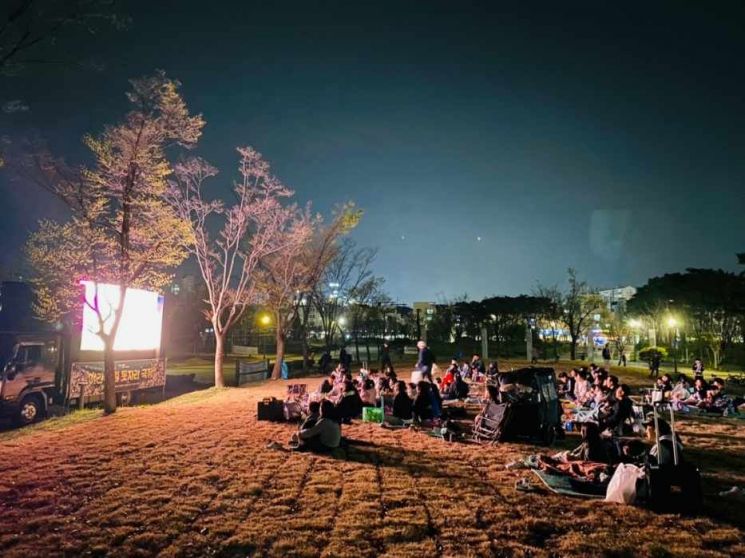
Fun activities are also gathering in the parks. The "Night Park Mat Theater," held in April, drew significant attention as a unique outdoor movie experience. The events, held at Hangang Central Park and Masong Central Park, attracted a total of about 700 participants and transformed the parks' nights into special cultural spaces through movie screenings. Citizen satisfaction reached 95%, and the event received such enthusiastic responses that requests for annual operation continue.
The "Urban Park Ecological Experience Program" is also receiving great support from citizens, offering various hands-on activities such as woodworking and insect observation using seasonal ecological resources. From 2023 to 2024, the cumulative number of participants exceeded 32,000, with a satisfaction score of 98. As of the end of June this year, 7,843 people have participated.
The night view can also be enjoyed at Gimpo's parks.
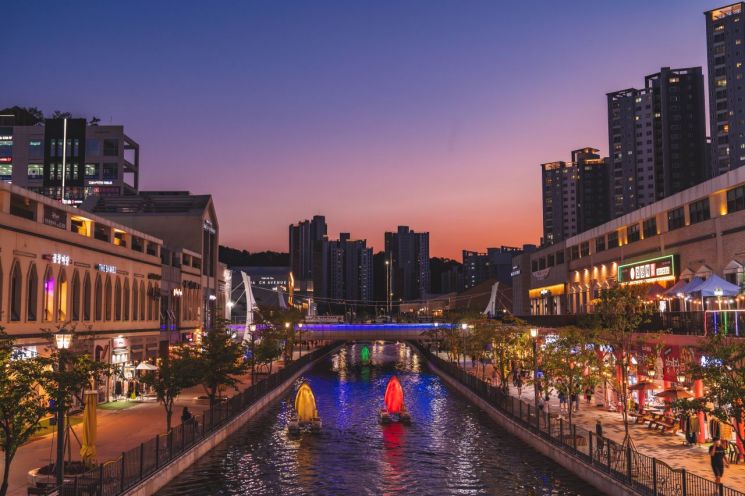
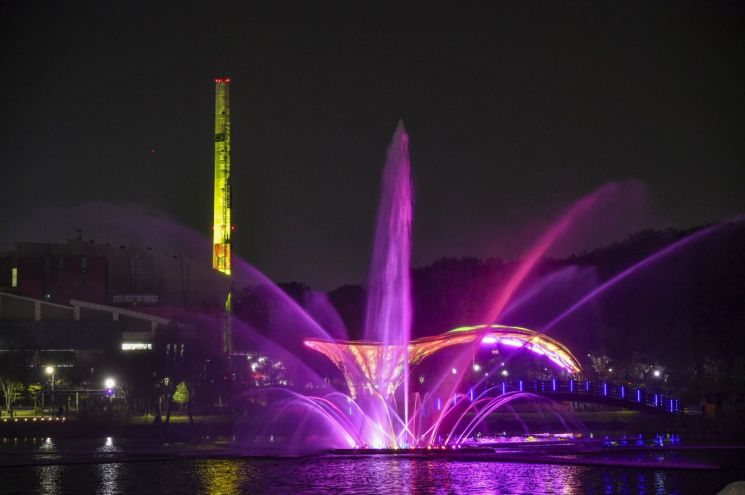
This year, following the lighting ceremony of the Tower of Light at Lake Park and the Night Park Mat Theater, the city is actively expanding nighttime culture in daily life by operating the Geumbit Waterway water leisure facilities at night, extending nighttime hours at the Hangang Central Park water playground, and implementing the Geumbit Waterway lighting improvement project.
Green spaces in the northern area, which had become outdated or damaged, are also being improved.
The aging facilities at Yangkok Orani Park were renovated in July to enhance spatial safety as part of the improvement project.
The green space in Masong-ri, Tongjin-eup, which was damaged by illegal cultivation, has been transformed into a rest area with a walking trail and resident convenience facilities. Shade structures have been installed at Marimi Park and Unyu Park in Masan-dong, turning them into safe resting places. In the second half of this year, the city plans to create an urban forest to reduce fine dust in response to the climate crisis and to build the Ainuri Playground at Masong 2 Children's Park.
A Gimpo City official said, "Through strategic park planning linked to urban development projects, we will continue to manage parks so that they can become cultural hubs in citizens' daily lives."
© The Asia Business Daily(www.asiae.co.kr). All rights reserved.













