Diversifying Urban Influx with "One Month Living" and "Ten Thousand Won House" Programs
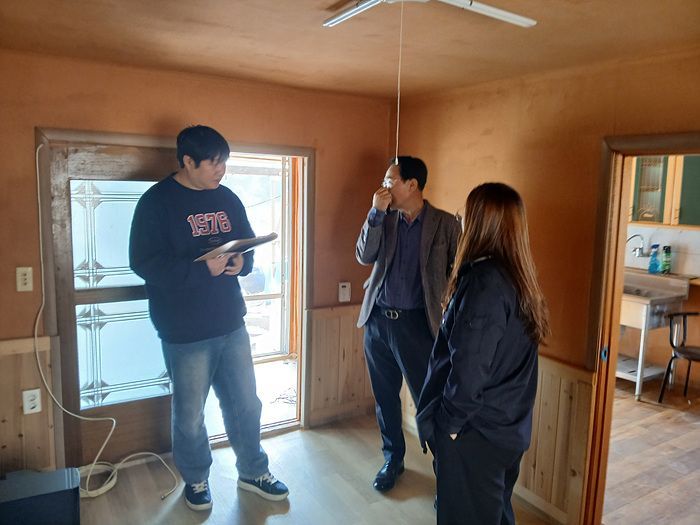 Yeongam County has recently been operating various residential experience and support programs such as "One Month Living," "Ten Thousand Won Second House," and "Mother House" to alleviate the housing burden, which is considered the biggest obstacle for urban residents moving to rural areas. Photo by Yeongam County
Yeongam County in South Jeolla Province is expanding its residential support policies for urban residents who dream of returning to farming or rural life, aiming to attract more permanent residents through programs that allow people to "experience, stay, and settle."
On July 21, the county announced that it is currently operating a variety of residential experience and support programs, such as "One Month Living," "Ten Thousand Won Second House," and "Mother House," in order to alleviate the housing burden, which is considered the biggest obstacle for urban residents moving to rural areas.
The county’s flagship program, "Yeongam Sallae? Yeongam Sallae!" allows urban residents to live in vacant houses in Gunseo-myeon for one month and experience rural life. This project was selected for the Ministry of the Interior and Safety's "Experience Life in Two Regions" initiative and is currently being implemented. Residents can also participate in hands-on programs such as helping with farm work, gardening, and cultural tours with local villagers.
Additionally, through the "Jeonnam-style Ten Thousand Won Second House" program, vacant rural houses are either remodeled or replaced with modular homes and rented out for 10,000 won per month. Eligible tenants are those who currently live outside the region but plan to move to Yeongam in the future, and there is a mandatory minimum residency period of two years.
The "Mother House" project is a customized policy designed to encourage the return of the baby boomer generation. Under this program, 70% of the cost is covered by the county and 30% by the applicant, allowing for the repair of single-family homes owned by the applicant or their parents, thereby providing a stable foundation for settlement. The county also expects this initiative to help revitalize aging homes and improve the appearance of rural villages.
In addition, the "Yeongam Seoul Farm," a rural experience space for Seoul residents, is gaining popularity. The Seoul Farm offers seasonal programs over three days and two nights, including strawberry and fig harvesting and participation in local festivals. Last year alone, more than 400 Seoul residents visited the farm.
The county is also promoting various other support projects for those returning to farming or rural life, including settlement grants for new farmers, operation of "New Farmer Houses," and the creation of farming and fishing village communities.
Kim Sunmi, head of the Population and Youth Department, stated, "We are operating a variety of residential support programs so that urban residents can experience rural life firsthand and make informed decisions about moving to the countryside. We will continue to implement policies to help people establish lasting connections and settle in Yeongam."
© The Asia Business Daily(www.asiae.co.kr). All rights reserved.

![Clutching a Stolen Dior Bag, Saying "I Hate Being Poor but Real"... The Grotesque Con of a "Human Knockoff" [Slate]](https://cwcontent.asiae.co.kr/asiaresize/183/2026021902243444107_1771435474.jpg)















