Increased Risk of Bacterial Diseases Such as Typhoid Fever
Various Symptoms Including Abdominal Pain and Diarrhea
Emphasis on Drinking Boiled Water and Proper Hand Washing
Jeollanam-do Focuses on Providing Infectious Disease Prevention Guidelines
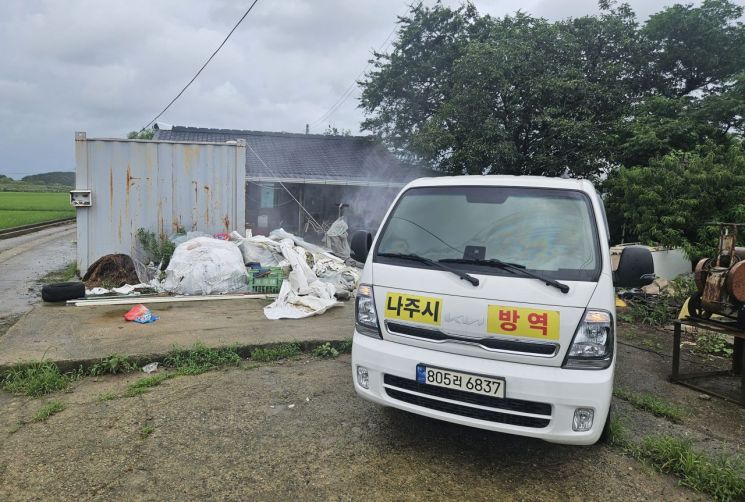 Jeollanam-do recently entered an emergency quarantine system as the increase in flooded areas due to heavy rainfall raised the possibility of waterborne infectious disease outbreaks. Provided by Jeonnam Province
Jeollanam-do has urged residents to follow preventive measures such as frequent hand washing and drinking boiled water, as the risk of waterborne infectious diseases has increased due to the recent rise in flooded areas caused by heavy rainfall.
Waterborne infectious diseases are illnesses caused by consuming contaminated water or food. Representative examples include typhoid fever, paratyphoid fever, bacterial dysentery, and enterohemorrhagic Escherichia coli infection.
Depending on the type of pathogenic microorganism responsible, a variety of gastrointestinal symptoms may appear, such as abdominal pain, diarrhea, nausea, and vomiting.
The incubation period varies depending on each cause, and symptoms such as the type of diarrhea (watery, mucous, or bloody), fever, and rash may appear in combination.
In rare cases, symptoms other than gastrointestinal issues like diarrhea may be the main symptoms.
Especially after heavy rainfall, infectious diseases can have a wide range of incubation periods and transmission rates, so stricter hygiene management and community monitoring are required than usual.
In response, Jeollanam-do has provided guidance to ensure compliance with infectious disease prevention rules at flooded areas and disaster recovery sites within the province.
First, 3,644 units of quarantine supplies were urgently allocated to flood-affected areas, and quarantine disinfection was strengthened at 572 flooded sites. Going forward, daily disinfection will continue, and a 24-hour monitoring system will be operated to enable immediate response in the event of suspected infectious disease cases.
Jung Gwangseon, Director of Health and Welfare for Jeollanam-do, emphasized, "To prevent infectious diseases in the event of flood damage, it is important to follow personal hygiene rules such as consuming safe water and food and washing hands," and urged, "If you experience suspected symptoms of waterborne infectious diseases such as fever or diarrhea, please report them to your local health center immediately."
© The Asia Business Daily(www.asiae.co.kr). All rights reserved.
![Clutching a Stolen Dior Bag, Saying "I Hate Being Poor but Real"... The Grotesque Con of a "Human Knockoff" [Slate]](https://cwcontent.asiae.co.kr/asiaresize/183/2026021902243444107_1771435474.jpg)
















