Growth Management and, If Necessary, Replanting Underway
Flooding Damages 28,491 Hectares of Crops and Results in Deaths of 1,429,000 Chickens
Due to the heavy rainfall last week, which led to flooding of farmland and other damages, a temporary decrease in the supply of certain agricultural products such as melons, watermelons, and green onions is considered inevitable. The government is working to minimize supply instability caused by the heavy rain by managing crop growth and, if necessary, replanting.
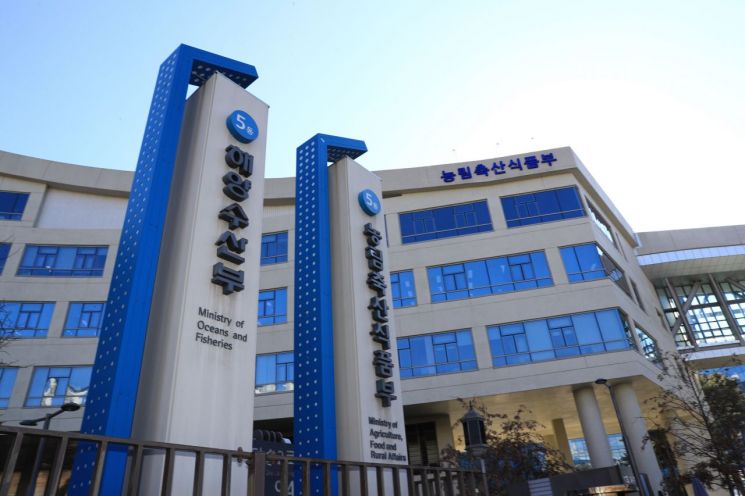
According to the Ministry of Agriculture, Food and Rural Affairs, from July 16 to 19, heavy rainfall resulted in 28,491 hectares of crop flooding as of July 20.
Specifically, 25,065 hectares of rice paddies were flooded, which accounts for 3.6% of the total rice cultivation area. In addition, 2,050 hectares of upland soybeans (5.8% of the total cultivation area), 140 hectares of melons (7.8%), 133 hectares of watermelons (1.2%), 110 hectares of strawberries (1.9%), 96 hectares of green onions (1.7%), and 83 hectares of leeks (0.06%) were affected by flooding. In terms of livestock, there was damage to 1,429,000 chickens (0.8% of the total population), 139,000 ducks (1.9%), 855 pigs, 149 dairy cows, 529 Korean cattle, and 1,101 beehives.
An official from the Ministry of Agriculture, Food and Rural Affairs stated, "For rice, which suffered the largest damage, we expect that there will be no significant disruption to growth once drainage is completed. For vegetables such as cucumbers, zucchini, Cheongyang chili peppers, and tomatoes, which are mostly grown in greenhouses, there was no damage in Gangwon, the main shipping area in August, so the impact of this heavy rainfall on supply will be limited."
In the case of watermelons and melons, the ministry expects prices to remain higher than usual and higher than last year for the time being, due to overlapping factors such as flooding in Buyeo (watermelon) and Damyang and Gokseong (melon), as well as seasonal fruit demand. The ministry has instructed local governments, agricultural cooperatives, and self-help organizations to take prompt drainage measures in flooded greenhouses and to wash and spray pesticides on affected areas. For items with rising prices, the government plans to ease the burden on consumers through discount support.
For green onions, whose main production areas include Yesan and Asan in South Chungcheong Province, harvesting will be possible once drainage is completed in flooded areas. However, due to poor harvesting conditions, a decrease in supply is expected to continue for the time being. The ministry also noted that green onions for kimchi are sown in August, so there will be little impact on supply during the kimchi-making season.
Among livestock, poultry suffered the largest damage. However, to prepare for increased seasonal demand during Boknal, the ministry had already increased chick placements by 3.6% in June and extended the production age of broiler breeders from 64 weeks to no limit. Therefore, the government expects that the impact of heavy rain and heatwaves on poultry supply will be very limited. The ministry also plans to strengthen management practices by removing contaminants around farms, cleaning and drying livestock facilities, and disinfecting to prevent outbreaks of livestock diseases.
There was no direct damage to summer cabbage and radish, which are mainly produced in Pyeongchang, Gangneung, and Taebaek in Gangwon Province, due to the recent rain. However, if the rainfall continues for an extended period, there are concerns about the loss of seedlings and seeds and the spread of diseases and pests. To prevent such damage, the ministry plans to supply 3 million reserve seedlings as well as pesticides and nutrients to farmers.
For major fruits such as apples, pears, grapes, and peaches, which experienced some orchard flooding, drainage has been completed and there is no significant disruption to growth. Overall, the damage is not extensive, so the supply is expected to remain stable. However, the ministry considers it important to prevent diseases such as anthracnose and plans to strengthen crop management by providing pesticide support and on-site technical assistance.
© The Asia Business Daily(www.asiae.co.kr). All rights reserved.