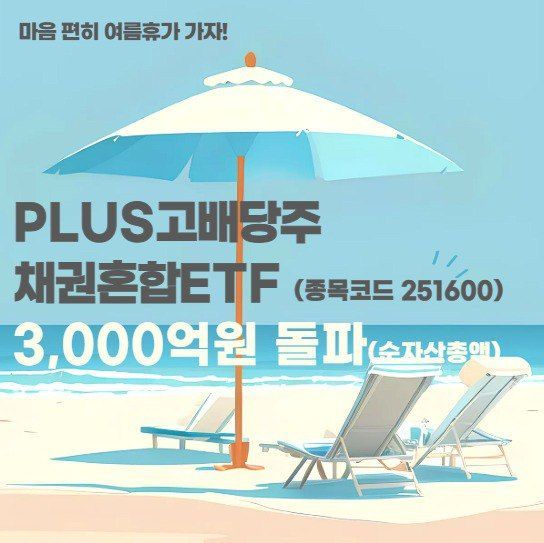
This is the largest among domestic equity-bond mixed ETFs. The differentiated equity allocation strategy appears to have met the investment demand of retirement pension subscribers. The PLUS High Dividend Equity-Bond Mixed ETF invests approximately 40% in domestic high-dividend stocks and about 60% in high-quality bonds. Among domestic equity-bond mixed ETFs, it has the highest equity allocation.
The rapid growth of the PLUS High Dividend Equity-Bond Mixed ETF is attributed to a 'money move' from U.S. dividend stocks to Korean dividend stocks. Starting this year, the foreign tax credit system has been revised, resulting in the significant reduction of tax deferral benefits on distributions from overseas dividend funds and ETFs.
However, the tax deferral benefits on distributions from domestic dividend funds and ETFs have remained unchanged. In addition, expectations for policies aimed at enhancing shareholder value, such as amendments to the Commercial Act, have served as positive factors for Korean dividend stocks.
Under current regulations, retirement pension accounts must allocate up to 30% of total assets to safe assets such as bonds. The PLUS High Dividend Equity-Bond Mixed ETF is classified as a safe asset. If 70% of the risk asset portion of a retirement pension is invested in equity ETFs and the remaining 30% in the PLUS High Dividend Equity-Bond Mixed ETF, up to 82% of the total assets in a retirement pension account can be invested in stocks.
Kim Jungsub, Head of the ETF Business Division at Hanwha Asset Management, stated, "The era of U.S.-centric investment formulas is coming to an end, and, supported by government policies, undervalued high-quality domestic assets are entering a historic period of revaluation. For retirement pension investors who need to secure both stability and growth from a long-term perspective, the PLUS High Dividend Equity-Bond Mixed ETF will be the wisest and most timely alternative."
As of the 16th, the adjusted benchmark return of the PLUS High Dividend Equity-Bond Mixed ETF, considering reinvestment of distributions, is 18.6% year-to-date, 19.4% for one year, 49.7% for three years, and 66.8% for five years.
© The Asia Business Daily(www.asiae.co.kr). All rights reserved.

















