Significant Increases in Stay Rate, Consumption, and Revisit Rate
Mayor Choi Woncheol: "We Aim to Achieve a Sustainable City Leading to Resident Conversion"
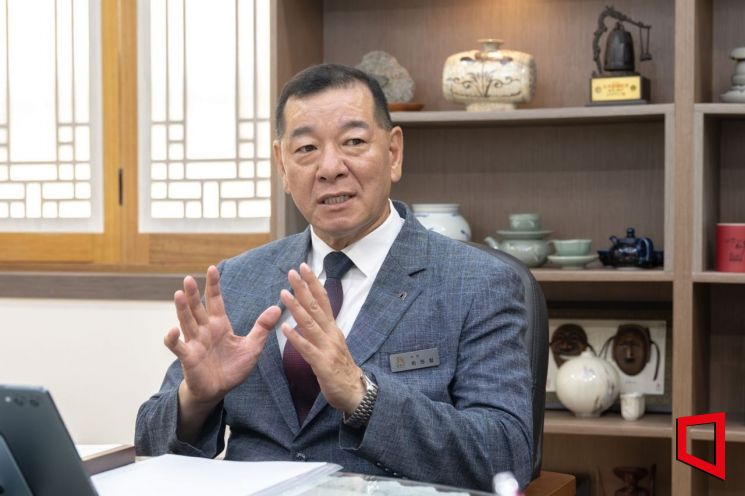
Gongju City in South Chungcheong Province has once again proven its status as a leading stay-type city in the central region.
According to Gongju City on July 11, the city ranked third nationwide and first in South Chungcheong Province in terms of living population among 89 population-declining areas in the "2024 Living Population Calculation Results for Population-Declining Areas" announced by the Ministry of the Interior and Safety and Statistics Korea.
As of the fourth quarter of 2024, the average living population in Gongju City was 668,900, which is about 6.5 times the number of residents registered in the city. The total annual living population in 2024 was recorded at 7.79 million.
In particular, during October, when the Baekje Cultural Festival was held, the living population exceeded 780,000, setting a new record high.
This achievement is interpreted as the result of strategic policies aimed at transforming Gongju from a city of simple visits into a city where people stay.
The city has strengthened its identity as a stay-type city, with indicators such as an average stay duration of 11.9 hours, an average of 3.5 days stayed, and a revisit rate of 48.9%.
In terms of consumption, as of December 2024, the average card spending per person among the staying population reached 117,000 won, with visitors from outside the city accounting for 37.3% of total consumption.
The main areas of consumption were culture and leisure, healthcare, and personal services. Long-term visitors also showed active spending in accommodation, education, and general retail sectors.
Regarding accommodation, 27.1% of the staying population used lodging facilities, and the proportion of long-term stays of four days or more was 23.2%, which is a higher figure compared to other cities and counties in South Chungcheong Province, highlighting the characteristics of a stay-type city.
The majority of incoming population came from nearby major cities such as Sejong, Daejeon, Cheonan, and Cheongju. This is analyzed as a result of Gongju's excellent transportation accessibility combined with its abundant cultural and tourism resources.
Choi Woncheol, Mayor of Gongju City, stated, "These living population statistics show that Gongju is transforming from a simple destination into a city where people stay and return. Moving forward, we will continue to create environments that encourage stays of more than three hours, expand accommodation-based tourism content, develop workation programs, and strengthen strategies to attract visitors from nearby major cities. Through these efforts, we aim to convert the living population into a resident population and realize a sustainable urban model that leads to the revitalization of commercial districts and job creation."
Meanwhile, the concept of living population includes not only registered residents but also people who stay in the area for at least three hours at least once a month. It is used as an important indicator that reflects the actual economic and social vitality of a region.
© The Asia Business Daily(www.asiae.co.kr). All rights reserved.
![Clutching a Stolen Dior Bag, Saying "I Hate Being Poor but Real"... The Grotesque Con of a "Human Knockoff" [Slate]](https://cwcontent.asiae.co.kr/asiaresize/183/2026021902243444107_1771435474.jpg)
















