The "Gyeonggi Family Care Allowance," which provides a care allowance to those who look after children, will be expanded from 14 cities and counties this year to 21 cities and counties next year.
The Gyeonggi Provincial Government announced on July 9 that 21 cities and counties have expressed their intention to participate in the Gyeonggi Family Care Allowance program next year, which is at least seven more than this year.
The Gyeonggi Provincial Government also stated that the remaining cities and counties are actively considering participation next year, so the number of participating municipalities is expected to increase further.
The Gyeonggi Family Care Allowance is a program that aims to reduce the burden of child-rearing and recognize the value of care by providing a monthly allowance of 300,000 won for one child, 450,000 won for two children, and 600,000 won for three children to families with children aged 24 to 36 months and a median income of 150% or less, if relatives within the fourth degree of kinship, including grandparents, or neighbors provide at least 40 hours of care per month in cases where there is a childcare gap.
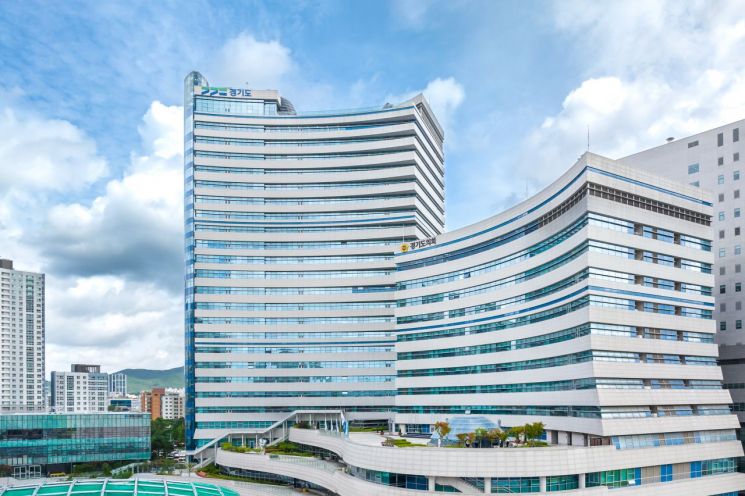
The Gyeonggi Family Care Allowance recently completed consultations with the Ministry of Health and Welfare on the establishment of a new social security system, and has been adopted as an official program since July, making it possible to operate the program stably from 2026. With its adoption as an official program, government support will also be provided, reducing the budget burden on cities and counties by more than 50%.
Yoon Youngmi, Director of the Gyeonggi Provincial Government's Department of Women and Family, said, "The reason for the increase in participation by cities and counties is that all the main reasons for non-participation in the past?such as incomplete consultations on the social security system, budget burdens, and increased administrative workload?have now been resolved. We are visiting cities and counties that are considering participation to directly explain the program and request their cooperation so that all 31 cities and counties can take part."
Meanwhile, the Gyeonggi Provincial Government is working to automate the verification of care activity logs, which has been the biggest factor contributing to the workload of city and county staff. By adding automation features to the EonjenaDolbom platform, which began official operation in May this year, the province is reducing administrative burden. In addition, the government is considering various measures to expand participation, such as simplifying application documents and training requirements, and holding workshops for those in charge of the program.
© The Asia Business Daily(www.asiae.co.kr). All rights reserved.

















