Difficult to Distinguish from Snacks Sold in Stores
Suffered High Fever, Hallucinations, and Auditory Hallucinations Even After Discharge
An incident in which a two-year-old girl in Thailand lost consciousness after eating jelly containing cannabis ingredients has sparked growing calls for stricter cannabis regulations in the country. On July 7, the Bangkok Post reported on a 32-month-old girl, referred to as A, who was rushed to a hospital in Chiang Mai, northern Thailand, on July 2. After arriving at her kindergarten, A showed unusual lethargy, prompting a teacher to contact her parents, who then took her to the hospital.
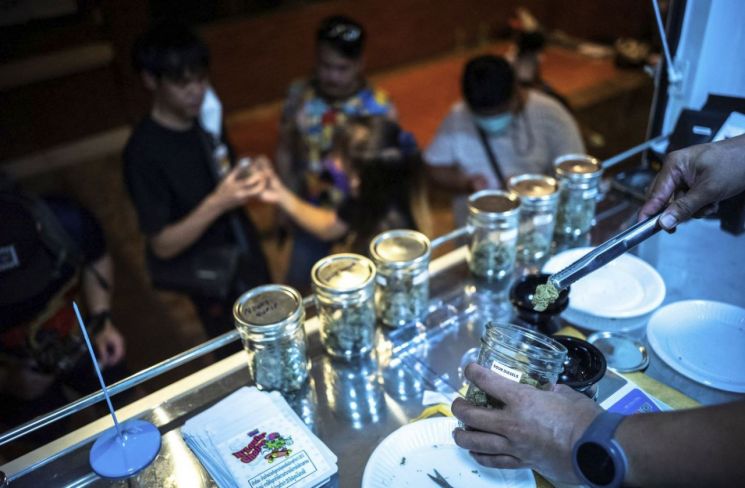
The hospital diagnosed A with acute intoxication caused by cannabis ingredients. Two days later, A was discharged from the hospital, but that same afternoon, she developed a high fever, hallucinations, and auditory hallucinations, requiring her to be readmitted within a few hours. Medical staff expressed concern, stating, "Neurological aftereffects cannot be ruled out." The incident occurred during her uncle's birthday party the previous day. It is believed that someone at the party left behind cannabis jelly containing the psychoactive chemical tetrahydrocannabinol (THC), and A consumed it the next day on her way to kindergarten.
When Consuming Snacks in Thailand, Always Check for 'THC' Label
The main reason A ended up eating the cannabis jelly was that it was visually indistinguishable from regular jelly sold on the market. More importantly, similar incidents have continued to occur in Thailand. In 2022, a three-year-old boy in Bangkok, and in 2023, an eight-year-old girl in Lopburi, both showed symptoms of vomiting and decreased consciousness after eating jelly containing cannabis and required hospital treatment. There have also been cases involving Korean tourists in Thailand. In April last year, a man and woman in their 20s and 30s consumed dinosaur-shaped jelly they had received as a free gift during a trip to Thailand after returning to Korea, experienced abdominal pain, and were taken to the hospital. Tests detected cannabis ingredients, and they were charged with violating the Narcotics Control Act. However, the police dropped the charges, considering that they were unaware the product contained cannabis. Therefore, when consuming snacks or beverages in Thailand, it is essential to check whether the chemical 'THC' is indicated on the packaging.
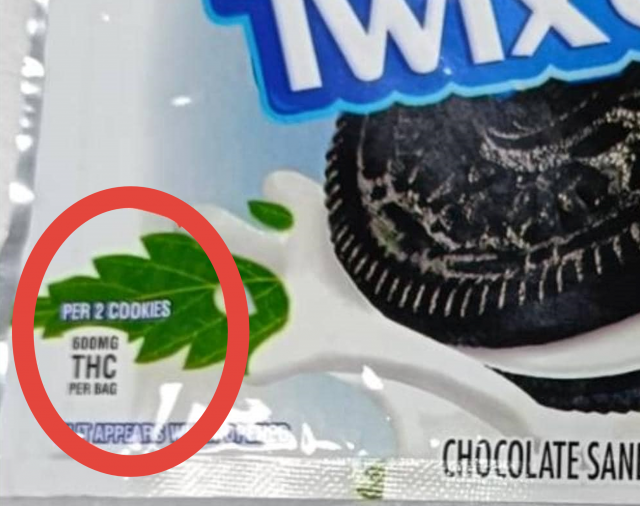 Hemp cookie containing the psychoactive chemical tetrahydrocannabinol (THC). Photo by Asia Economy DB
In 2022, Thailand became the first country in Asia to decriminalize cannabis. However, this led to a sharp increase in recreational use, with youth cannabis smoking rising tenfold and various side effects emerging. As a result, there have been persistent calls from citizens within Thailand for stronger cannabis regulations. With frequent incidents involving cannabis jelly, the Thai government recently shifted its policy to allow use only with a doctor's prescription. In particular, as this latest incident has sparked national outrage, the government's move to tighten regulations is expected to accelerate. Thai Health Minister Somsak Thepsuthin warned of a high-intensity crackdown, stating, "Incidents that seriously harm children's health must not be repeated."
© The Asia Business Daily(www.asiae.co.kr). All rights reserved.