Quarterly Profit Falls Short of Market Expectations by 1 Trillion Won, Lowest in Two Years
Semiconductor "Inventory Clearance", Delayed HBM Sales
Smartphone Off-Season and Home Appliance Tariffs Add to Challenges
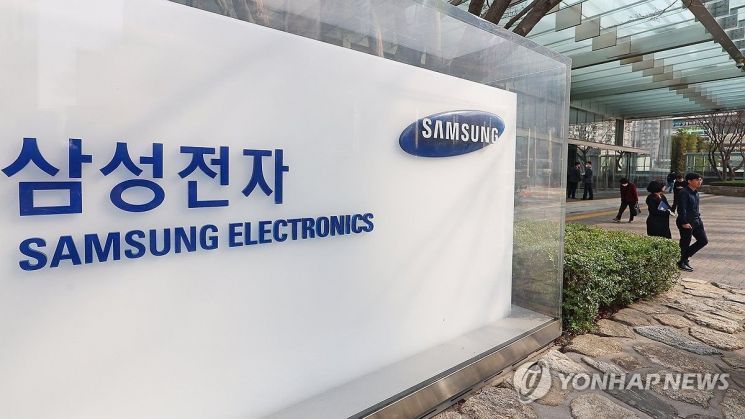
Samsung Electronics recorded an operating profit of 4.6 trillion won in the second quarter of this year. This figure is more than 1 trillion won below the market consensus, which had initially predicted around 6 trillion won. The so-called "earnings shock" was caused by a direct hit to the home appliance division from U.S. tariff policies, as well as continued weakness in the semiconductor (DS) division.
On July 8, Samsung Electronics announced in a regulatory filing that its consolidated operating profit for the second quarter of this year (April to June) was 4.6 trillion won, a decrease of 55.94% compared to the same period last year. Revenue came in at 74 trillion won, down 0.09% year-on-year. The quarterly operating profit is the lowest since the fourth quarter of 2023 (2.8247 trillion won), and for a second quarter, it is the lowest in two years since the second quarter of 2023 (6.0685 trillion won).
This announcement is based on preliminary results, and detailed breakdowns by business division were not disclosed. The main reason Samsung Electronics' second-quarter operating profit fell far short of market expectations is the continued weakness in the DS division. In an explanatory note released on the same day, Samsung Electronics stated, "DS saw a decline in profit compared to the previous quarter due to inventory provisions and the impact of U.S. sanctions on advanced artificial intelligence (AI) chips."
A Samsung Electronics official explained that the company set aside a large "inventory valuation allowance" to reflect the impairment losses of memory semiconductor inventory assets. This allowance is not a simple expense, but rather a process of lowering the value of unsold inventory and reflecting it on the income statement. For the company, this is essentially "inventory clearance." It appears that Samsung Electronics applied a conservative assessment in the first half of the year to reduce inventory burdens before the second half, anticipating a rebound in the latter part of the year.
In addition, the delay in high-bandwidth memory (HBM) sales also had an impact. Samsung Electronics faced delays in HBM shipments as it took longer than expected to pass quality certification tests by Nvidia, its main customer. HBM is a next-generation memory and a key component in AI semiconductors, recently driving industry performance, but it did not significantly contribute to this quarter's results. In the market, it is also believed that NAND flash memory and foundry (semiconductor contract manufacturing) continued to post losses.
The non-memory division also faced challenging conditions. The smartphone division entered a seasonal off-peak period, while the home appliance division struggled with declining profitability and increased tariff burdens in major export markets. In addition, the sharp drop in the won-dollar exchange rate and worsening foreign exchange conditions further added to the difficulties.
© The Asia Business Daily(www.asiae.co.kr). All rights reserved.
![Clutching a Stolen Dior Bag, Saying "I Hate Being Poor but Real"... The Grotesque Con of a "Human Knockoff" [Slate]](https://cwcontent.asiae.co.kr/asiaresize/183/2026021902243444107_1771435474.jpg)
















