About 278,000 Patients Diagnosed with Cholelithiasis Last Year
Reduce Intake of Fatty Foods and Avoid Overeating
The number of patients with cholelithiasis, a condition that can lead to gallbladder perforation or sepsis in severe cases, has increased by nearly 30% over the past four years.
According to Kyung Hee Medical Center on July 7, statistics from the National Health Insurance show that the number of patients treated for cholelithiasis rose from 219,926 in 2020 to 277,988 last year, marking a 26.4% increase over four years.
Gallstones form when the balance of components in bile?a digestive fluid in the body that breaks down fats?is disrupted. Bile is composed of water, bile salts, bilirubin, and cholesterol. When an imbalance occurs among these elements, crystals can form and eventually develop into gallstones.
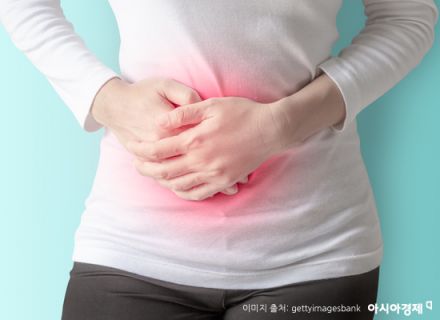
If gallstones block the bile duct or irritate the gallbladder wall or pancreas, symptoms of inflammation such as abdominal pain, jaundice, or fever may occur. The most common symptom is a squeezing pain and a feeling of pressure in the upper right abdomen, which typically worsens after eating. This pain can radiate to the back and shoulders, and if the condition deteriorates further, it may lead to complications such as gallbladder perforation, peritonitis, or sepsis. Recently, many cases of gallstones have been detected during abdominal ultrasound examinations as part of health checkups, and statistics indicate a prevalence rate of 2.4% among adults.
Kyung Hee Medical Center recommends cholecystectomy as the best treatment for gallstones. Because gallstones have a high risk of recurrence, it is necessary to remove the gallbladder, which is the root cause. The removal of the gallbladder does not significantly affect daily life. However, the loss of the gallbladder, which temporarily stores and regulates bile, can make fat digestion more difficult. Nevertheless, bile produced by the liver is still naturally released into the small intestine, according to medical professionals.
© The Asia Business Daily(www.asiae.co.kr). All rights reserved.

![Clutching a Stolen Dior Bag, Saying "I Hate Being Poor but Real"... The Grotesque Con of a "Human Knockoff" [Slate]](https://cwcontent.asiae.co.kr/asiaresize/183/2026021902243444107_1771435474.jpg)















