Amendment to Employment Insurance Announced for Public Review
Collection Criteria to Be Based on Actual Remuneration for the Current Year
The criteria for applying employment insurance to workers will be revised from the current prescribed working hours (15 hours per week) to an income-based standard. The basis for collecting employment insurance premiums and paying unemployment benefits will also change from average monthly wages and salaries to actual remuneration.
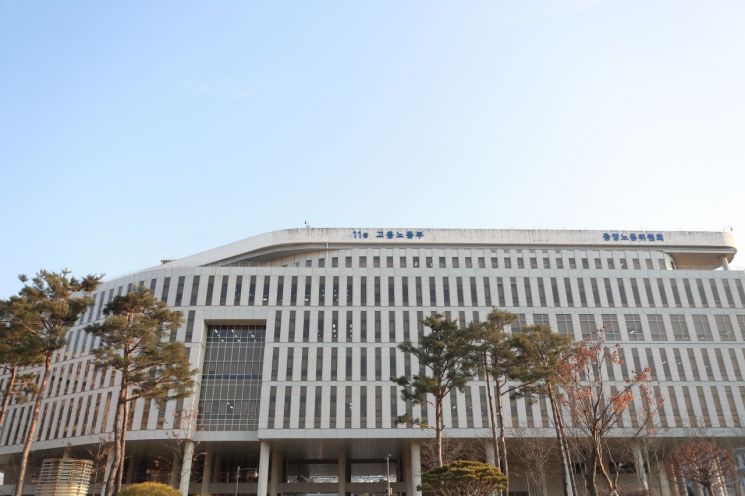
On July 7, the Ministry of Employment and Labor announced the legislative notice of amendments to the Employment Insurance Act and the Act on the Collection of Employment and Industrial Accident Insurance Premiums to implement an income-based employment insurance system. The content of this legislative notice reflects the results of 11 rounds of discussions held since March 2023 between labor, management, and experts, which were reviewed and resolved by the Employment Insurance Committee.
As employment types have diversified, and as more people hold multiple jobs or frequently change jobs, labor market flexibility has increased. Consequently, there has been a consistent call for an employment insurance management system based on individual income.
In response, the Ministry of Employment and Labor will revise the employment insurance coverage criteria for workers, which have been maintained for 30 years since the introduction of employment insurance, from working hours (15 hours per week) to remuneration (earned income and non-taxable earned income under the Income Tax Act). In addition, using income data for each worker identified through national tax information, the ministry will automatically enroll those who have been omitted from coverage, thereby addressing blind spots in the employment insurance system.
The ministry stated, "We expect to be able to provide stronger protection for vulnerable workers who need employment insurance coverage," and explained, "For workers employed at multiple businesses, even if their income at each business falls below the threshold, they can enroll in employment insurance at their request if their combined income exceeds the income standard."
Employment insurance reporting, which can be replaced by national tax income reporting, will be abolished or simplified. Due to amendments to the Income Tax Act, starting in January next year, employers will be required to report the national tax income of regular employees on a monthly basis. The basis for collecting employment and industrial accident insurance premiums will change from the previous year's average monthly remuneration to the actual remuneration reported monthly to the National Tax Service for the current year.
The basis for calculating unemployment benefits will also be changed from wages to remuneration in line with the new premium collection standards. The calculation period will be revised from the average wage of the three months prior to separation to the remuneration over the year prior to separation. The ministry explained that this will allow for a simpler calculation of unemployment benefits based on the actual premiums paid (actual remuneration), and that the administrative process for payment will also be expedited.
During the 40-day legislative notice period, the ministry will gather feedback from stakeholders and consult with relevant ministries, aiming to submit the amendment to the National Assembly in October. The ministry also plans to establish infrastructure to utilize real-time income data, collected through employment insurance administration, for identifying beneficiaries of various job support programs.
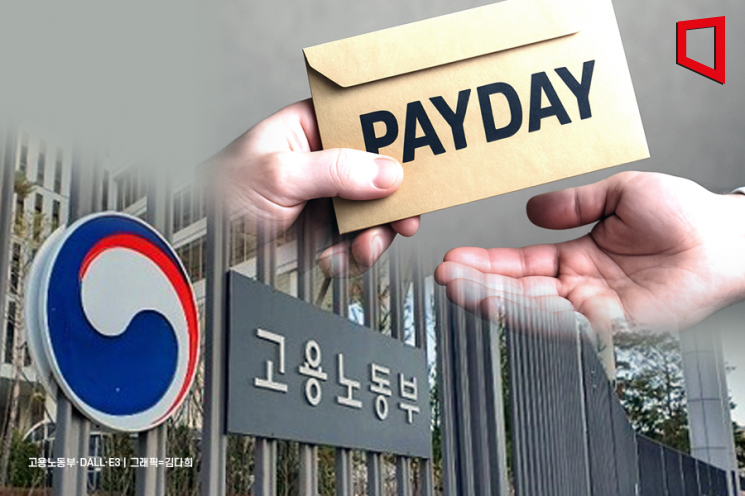
Kwon Changjun, Vice Minister of Employment and Labor, stated, "Employment insurance, the last of the social insurances to be introduced in 1995, has served as a pillar for citizens who have lost their jobs to get back on their feet over the past 30 years," and added, "This amendment lays the foundation for employment insurance to develop into a universal employment safety net for all working people, and is expected to provide direction for improving the management systems of other social insurances as well."
© The Asia Business Daily(www.asiae.co.kr). All rights reserved.