Occurs with Prolonged Sitting and Low Physical Activity
Health Problems Arise When Gluteal Muscle Function Declines
If you lead a sedentary lifestyle and have low levels of physical activity, you may develop "gluteal amnesia." Gluteal amnesia refers to a condition in which the function of the gluteal muscles deteriorates, causing you to forget how to properly engage these muscles.
Recently, Kim Jaewon, a professor in the Department of Rehabilitation Medicine at Incheon St. Mary's Hospital, Catholic University, explained, "The gluteal muscles play an important role in stabilizing the spine and maintaining body balance." He added, "Weakening of the gluteal muscles reduces the support for the pelvis and spine, which can lead to conditions such as herniated discs, femoroacetabular impingement syndrome, and arthritis." Approximately 40% of the body's muscles are concentrated in the gluteal region. In particular, the gluteus maximus connects the upper and lower body and supports the spine and pelvis. Most movements, including walking, running, sitting, and standing up, are linked to the gluteal muscles.
Gluteal amnesia occurs when the gluteus maximus fails to function properly, causing other muscles, including the hamstrings, to be overused. This leads to muscle imbalances and pain. Medically, this is referred to as "gluteus maximus-hamstring coordination disorder." Typical signs include a flattened and less firm appearance of the buttocks. Especially if you sit for long periods with your back slouched against the chair, the activation of the gluteal muscles decreases, and when you lift your legs, the muscles at the back of your thighs or your lower back are excessively engaged instead of your gluteal muscles. This can result in various problems, including lower back pain, pelvic misalignment, and pain in the hips and knees.
If you do not feel your gluteal muscles engage when lifting your legs while lying face down, or if only your lower back tightens when arching your upper body and your gluteal muscles do not respond, it is likely that your gluteal function has declined. Additionally, if the shape of your buttocks is asymmetrical or feels excessively soft, it is advisable to check for issues. Gluteal amnesia can also be identified through tests such as surface electromyography (EMG) or ultrasound imaging.
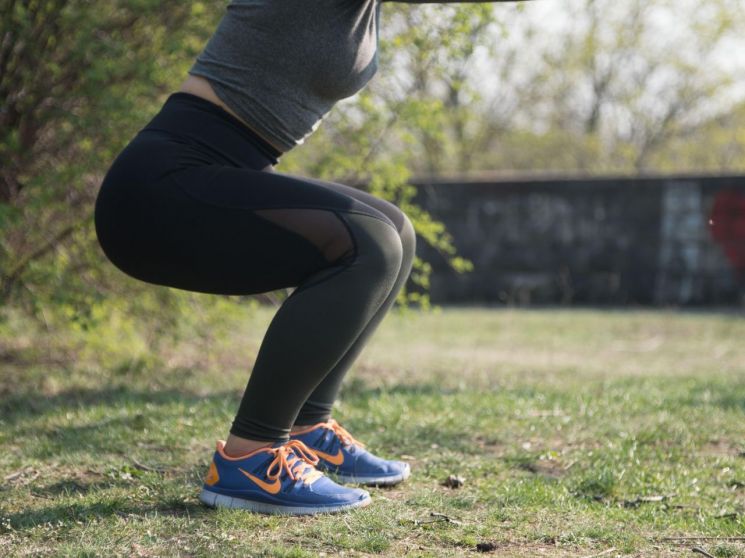
Exercise is the key to treatment. You need to stimulate the weakened gluteal muscles and learn how to use them correctly. Functional recovery can be achieved through electromyographic feedback training, electrical stimulation therapy, and posture correction. Representative exercises include squats, bridges, and hip abduction.
Improving lifestyle habits is also important. Stand up and stretch every hour, and when sitting, maintain proper posture without leaning against the backrest. When standing or walking, consciously engage your gluteal muscles, and make a habit of taking the stairs to strengthen your gluteal muscles through daily activities. Consistently practicing these exercises will be beneficial.
Professor Kim emphasized, "When body balance is disrupted, the risk of falls increases, so it is important to regularly stimulate and maintain the function of the gluteal muscles through exercise." He added, "Gluteal muscles atrophy rapidly with age, so management should begin at a young age. Even exercising for just 10 minutes a day can improve lower body health and reduce the burden on the lower back."
© The Asia Business Daily(www.asiae.co.kr). All rights reserved.