NYT analyzes the ongoing global popularity of Korean culture
BTS reunion, "Squid Game" season 3, and Broadway success highlight new golden era
Debate continues over whether Korea is truly a cultural powerhouse
Government invests to achieve "Top 5 Cultural Powerhouse" goal
The New York Times (NYT) has analyzed that the global craze for Korean culture continues, spanning K-pop, K-dramas, K-beauty, and Korean cuisine.
On June 22, Yonhap News reported on an NYT article titled "How South Korea Became a Cultural Powerhouse. And What Comes Next."
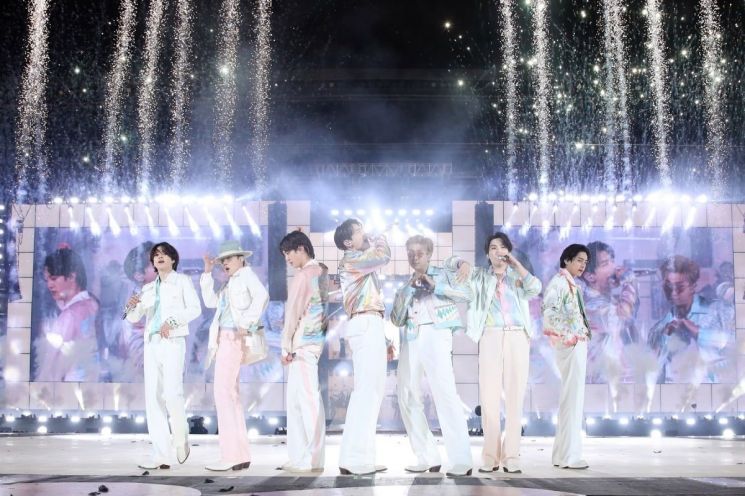
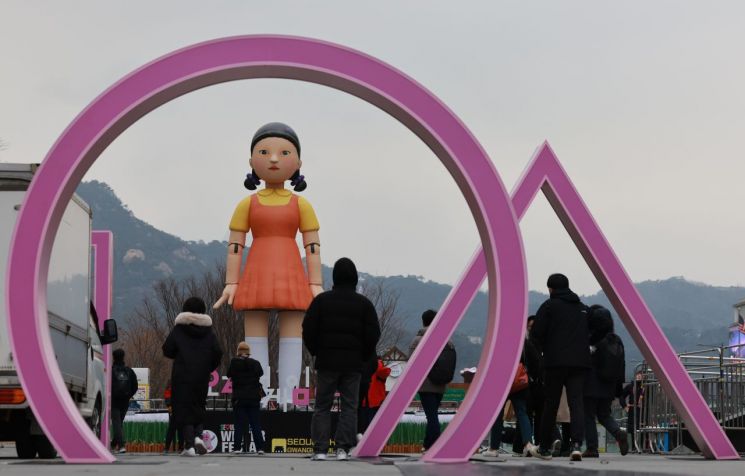
The NYT highlighted the return of the full BTS lineup, the imminent release of the third season of the Netflix original series "Squid Game," and the Korean original musical "Maybe Happy Ending" winning six Tony Awards in the United States, evaluating that Korean culture is once again experiencing its golden age.
The article noted that the Broadway version of the Korean original musical "Maybe Happy Ending" swept six categories at the Tony Awards, adding a new artistic form to the list of Korean cultural success stories. This marks the first time a work that premiered in Korea has won the Tony Award for Best Musical.
In addition, there is growing interest in the reunion of BTS, the leading K-pop stars, as its members have recently completed their mandatory military service. The girl group Blackpink is also set to begin a world tour next month, starting in Seoul. "Squid Game," which set Netflix viewership records, is about to release its third season.
However, the NYT pointed out that although the Korean Wave is in full bloom, there are divided opinions on whether South Korea is truly a cultural powerhouse.
Many experts believe Korean culture has become part of the global mainstream, but some argue that Korean culture still has a long way to go before reaching the international influence of American, French, Italian, and Japanese cultures.
There are also geopolitical obstacles, such as China's ban on Korean culture following the deployment of the THAAD (Terminal High Altitude Area Defense) system and North Korea's prohibition of South Korean culture. Additionally, it is noted that Korea's cultural exports are limited to certain fields.
Ultimately, some say it is too early to judge whether Korean culture has already peaked or will continue to gain strength. However, there is also an assessment that the Korean Wave has become deeply rooted as a lifestyle beyond entertainment.
For example, Korean Wave fans are increasingly interested in Korean cosmetics, cuisine, and the Korean language, as they want to eat the foods K-pop and K-drama stars eat, follow their makeup styles, and learn the language they use. Last year, Korea's cosmetics exports surged by 21% compared to the previous year, making Korea the world's third-largest cosmetics exporter after the United States and France.
Meanwhile, the government plans to invest a total of 51 trillion won over the next five years to implement President Lee Jaemyung's pledge to make Korea one of the "Top 5 Cultural Powerhouses." The Ministry of Culture, Sports and Tourism has submitted an implementation plan to the National Policy Planning Committee, outlining an expansion of the cultural budget to usher in the era of 300 trillion won in K-culture.
© The Asia Business Daily(www.asiae.co.kr). All rights reserved.