The People's Bank of China has kept the Loan Prime Rate (LPR), which serves as the de facto benchmark interest rate, unchanged.
The five-year LPR, which serves as the benchmark for mortgage loans, remains at 3.5%, while the one-year LPR, which serves as the benchmark for general loans, is also maintained at 3.0%.
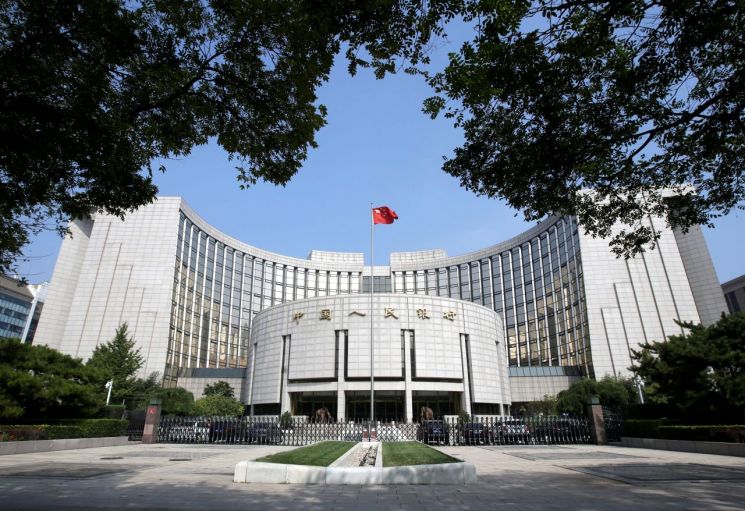
Previously, foreign media outlets such as Bloomberg, citing market experts, predicted that Chinese authorities would keep the LPR unchanged.
On June 10, China reached an agreement with the United States in trade negotiations, easing trade tensions. As a result, the need for additional economic stimulus measures has somewhat diminished. Experts believe that due to uncertainties surrounding various political and economic issues with the United States, Chinese authorities may be holding back some policy tools for future use.
The LPR is calculated each month by aggregating the lending rates of 20 banks, taking into account their own funding costs and risk premiums. Although a separate benchmark interest rate exists, the authorities have left it untouched for a long time, so the LPR effectively serves as the benchmark rate.
Previously, on May 20, the People's Bank of China lowered both the five-year and one-year LPRs by 0.1 percentage points for the first time in seven months. This followed a press conference on May 7, when People's Bank of China Governor Pan Gongsheng announced a cut in the seven-day reverse repurchase agreement (reverse repo) rate from 1.5% to 1.4%, signaling that the LPR would also be reduced by 0.1 percentage points.
© The Asia Business Daily(www.asiae.co.kr). All rights reserved.

![Clutching a Stolen Dior Bag, Saying "I Hate Being Poor but Real"... The Grotesque Con of a "Human Knockoff" [Slate]](https://cwcontent.asiae.co.kr/asiaresize/183/2026021902243444107_1771435474.jpg)















