Concerns Over the Spread of the Israel-Iran Armed Conflict Across the Middle East
Market Shows Stronger Preference for Safe-Haven Assets Over Risky Assets
On June 18, the won-dollar exchange rate surged, fluctuating in the upper 1,370 won range in early trading. This was due to heightened risk aversion as the possibility of direct U.S. military involvement increased amid ongoing armed conflict between Israel and Iran.
As of 9:09 a.m. at the Seoul foreign exchange market, the won-dollar exchange rate was trading at 1,376.5 won, up 13.8 won from the previous session's weekly closing price. On this day, the exchange rate opened at 1,379.9 won, a sharp increase of 17.2 won from the previous session, and briefly touched the 1,380 won mark in early trading. It has since been fluctuating in the upper 1,370 won range.
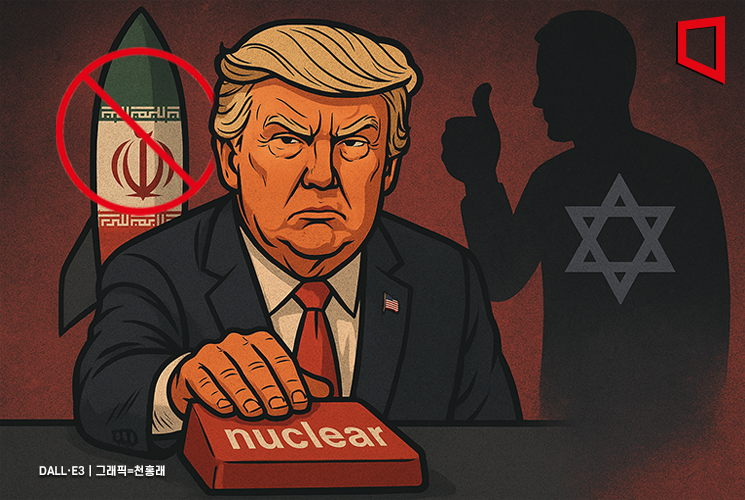
On June 17 (local time), U.S. President Donald Trump convened a National Security Council (NSC) meeting in the White House Situation Room to discuss the conflict between Israel and Iran and possible U.S. responses. U.S. media reported that scenarios under consideration included deploying U.S. forces to directly strike Iranian nuclear facilities or increasing military support for Israel as ways to intervene in the conflict.
President Trump posted on his own social networking service, Truth Social, that "We know exactly where the so-called 'Supreme Leader' is hiding," and wrote, "Our patience is running out," and "Surrender unconditionally!" On this day, international oil prices surged by more than 4%. The global dollar strengthened due to increased demand for safe-haven assets amid instability in the Middle East. The dollar index, which measures the value of the dollar against the currencies of six major countries, rose 0.67% from the previous day to 98.780.
Min Kyungwon, an economist at Woori Bank, said, "As the armed conflict between Israel and Iran continues and the possibility of U.S. military involvement grows, the risk level continues to rise." He added, "Since the conflict between the two countries could spread throughout the Middle East, the market is likely to show a preference for safe-haven assets." On the supply and demand side, there is an assessment that real demand, such as onshore settlements and foreign exchange for residents' overseas stock investments, is responding with buying, which will further increase upward pressure on the exchange rate.
© The Asia Business Daily(www.asiae.co.kr). All rights reserved.

















