Analysis of 17 Olive Oil Studies
"Consistent Daily Intake of 20-30g Is Recommended"
A recent study has found that extra virgin olive oil, a premium olive oil with low acidity, not only reduces blood pressure and bad cholesterol but also helps alleviate inflammation in the body.
According to the international journal 'The Journal of Nutrition,' a European multinational research team announced that "consistently consuming one to two tablespoons (about 20 to 30 grams) of extra virgin olive oil per day reduces the risk of heart disease and lowers blood pressure, inflammation, and cholesterol levels."
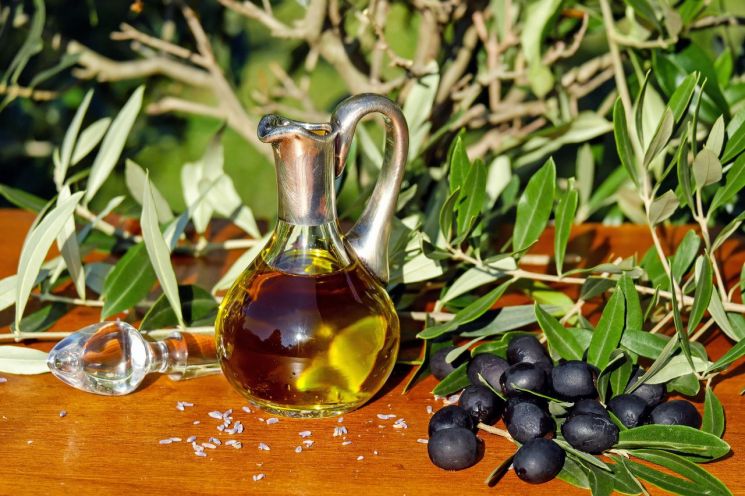
Extra virgin olive oil is characterized by being the first extract from olives, obtained through cold pressing without refining, using only physical methods without chemical processing. Only products with an acidity of 0.8% or less are classified as extra virgin. Extra virgin olive oil contains more antioxidants and healthy fats compared to regular olive oil.
The research team selected and analyzed 17 clinical trials published between 2005 and 2025 that investigated the cardiovascular health effects of extra virgin olive oil. These studies tracked changes in key health indicators such as blood pressure, cholesterol, and inflammation levels among participants who consistently consumed 20 to 30 grams of extra virgin olive oil daily. The analysis showed that participants who consumed 20 to 30 grams of extra virgin olive oil daily experienced an average reduction in systolic blood pressure of 2.5 to 2.7 mmHg, and a decrease in LDL (bad cholesterol) by up to 13.5 mU/mL. The inflammation marker high-sensitivity CRP was reduced by about 1.9 mg/L, and HDL (good cholesterol) increased by 0.10 to 0.13 mmol/L, indicating an overall improvement in vascular health.
In addition, total antioxidant capacity (TAC) increased by 0.04 mM, and the ankle-brachial index (ABI), an indicator of peripheral blood flow, also improved, suggesting better blood circulation to the legs. These changes were particularly pronounced among participants with cardiovascular disease or those at high risk.
The research team explained, "Extra virgin olive oil is not just a cooking oil but a functional food that can help prevent cardiovascular disease." They added, "High-quality olive oil rich in polyphenols, which are antioxidants, is especially effective at improving blood pressure, inflammation, and lipid levels." Furthermore, they noted, "Antioxidant compounds such as hydroxytyrosol and tyrosol in this oil play a key role in preventing the oxidation of bad cholesterol and keeping blood vessels supple, thereby preventing arteriosclerosis." The team concluded, "These physiological effects collectively reduce the risk of major cardiovascular diseases such as heart disease, hypertension, and stroke."
© The Asia Business Daily(www.asiae.co.kr). All rights reserved.