With the emergence of new terms such as 'Maepbusim' and 'Maepdeok', which refer to consumers who enjoy spicy flavors, the demand for spicy foods such as spicy ramen, tteokbokki, jokbal, and buldak has been steadily increasing.
Accordingly, the number of specialty restaurants known as 'Maepjip', which focus on spicy flavors, is also on the rise.
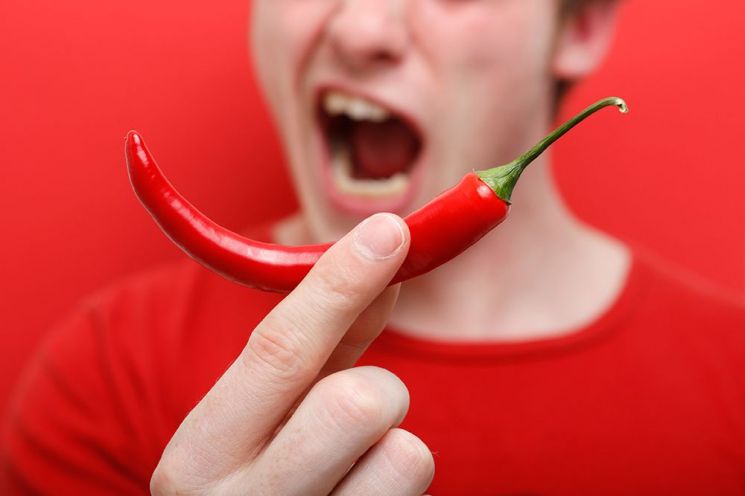
In particular, among the younger generation who seek stimulating and intense experiences, spiciness has become a small challenge and a source of achievement that can be easily experienced in everyday life. At the same time, it is being used as entertaining and shareable content on social media platforms.
As a result, experiential content such as the 'Spicy Flavor Challenge' is being actively created, and new terms like 'Wissusikae', which refers to the act of eating spicy food to relieve stress, continue to emerge. Spiciness has now spread beyond simple food consumption to become a culture and a trend.
Capsaicin, the main component responsible for spiciness, stimulates pain receptors in the tongue and oral cavity, sending signals to the brain similar to pain. Although it is not actual pain, the brain perceives it as pain and releases endorphins. Endorphins, which are neurotransmitters that induce pain relief and pleasure, temporarily improve mood and help relieve stress.
Additionally, capsaicin promotes the secretion of adrenaline, leading to temporary arousal and increased concentration. The strong sensory stimulation can also distract attention from current stressful situations and provide a refreshing effect. Due to these neurophysiological mechanisms, people are drawn to spicy flavors.
However, excessive consumption of spicy foods can put a strain on the digestive system, so caution is necessary. Capsaicin stimulates gastric acid secretion, strengthening the acidic environment in the stomach. This can cause symptoms such as heartburn, abdominal pain, and indigestion. In particular, these changes can lead to irritation of the esophageal mucosa and worsening of reflux symptoms in patients with gastroesophageal reflux disease.
Capsaicin can directly irritate the gastric mucosa, causing inflammation or worsening existing inflammatory diseases. Therefore, for people with a weak gastric mucosa or those with underlying gastrointestinal diseases such as gastritis, gastric ulcers, or duodenal ulcers, consuming spicy food can lead to abdominal pain, stomach cramps, or diarrhea due to increased bowel movements, so special caution is required.
Kim Jaehan, head of the Department of Internal Medicine at Daedong Hospital (specialist in internal medicine), advised, "For healthy adults, enjoying moderately spicy food is not a major problem, but excessive consumption can irritate the stomach," and added, "It is advisable to adjust your intake appropriately, considering your individual constitution and health condition."
He continued, "Taste is a sense closely linked not only to the experience of flavor but also to physical and mental health," emphasizing, "It is important for your health to enjoy a balanced variety of flavors and consume nutrients evenly, not just spiciness."
When consuming spicy food, it is important to avoid eating on an empty stomach and to start with small amounts, eating slowly to avoid overburdening the digestive system. It is also recommended to eat spicy foods together with nutrient-rich foods such as vegetables or protein to maintain nutritional balance and protect the stomach.
The intensity of spiciness should be adjusted according to your health condition and experience, and excessive challenges should be avoided. If you have gastrointestinal diseases such as gastritis, gastric ulcers, or gastroesophageal reflux disease, you should refrain from consuming spicy foods.
If you experience abnormal symptoms such as heartburn, abdominal pain, or indigestion after eating spicy food, you should stop consumption immediately and consult a specialist if necessary.
© The Asia Business Daily(www.asiae.co.kr). All rights reserved.

















