Legionella Bacteria Detected at Tottori Hot Spring in Japan
Three Visitors Confirmed with Legionellosis
Controversy has arisen after Legionella bacteria were detected at a hot spring in Tottori Prefecture, Japan, at levels up to 620 times higher than the regulatory limit. Authorities have launched an investigation after confirming that three users of the facility were infected with the bacteria.
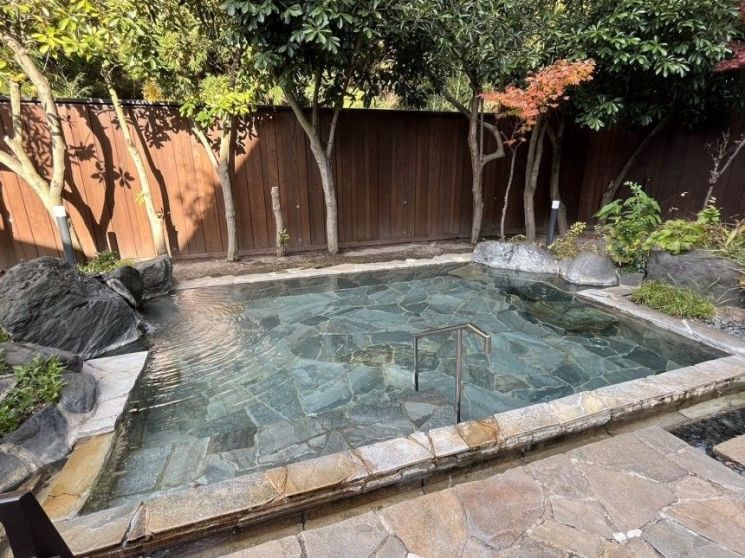 Legionella bacteria detected at Yodoe Yume Onsen in Yonago City, Tottori Prefecture, Japan. Screenshot from the official website
According to NHK and Asahi Shimbun on May 28, Legionella bacteria were found at the 'Yodoe Yume Onsen' hot spring facility in Yonago City, Tottori Prefecture, leading to the suspension of its operations.
Previously, on April 26, a visitor who had used the hot spring was diagnosed with Legionellosis, and this was reported to local authorities. As a result, a water quality inspection was conducted, and on May 13, it was determined that there was a suspected positive reaction for Legionella bacteria. On the same day, a second infection case was also reported. Ultimately, the hot spring decided to temporarily close starting May 13.
Water quality tests revealed that the women’s bubble bath contained Legionella bacteria at levels 620 times the regulatory standard. The indoor bath in the women’s section had 150 times the standard, while the indoor bath in the men’s section measured 270 times the limit.
So far, a total of three hot spring users have been confirmed to have Legionellosis, and it is reported that they are currently receiving inpatient treatment. In addition to these three, there have been 47 reports, as of the previous day, from users experiencing symptoms such as headache, fever, diarrhea, and vomiting. However, a causal relationship with Legionella bacteria has not yet been confirmed.
The hot spring is owned by Yonago City and operated under contract by the private company Hakuho. On this day, Hakuho’s CEO Kumiko Yasufuku held a press conference and stated, “We deeply apologize for the inconvenience and concern caused to our guests and local residents.” She also said that if a causal relationship is established for users experiencing symptoms, “We will take responsibility and provide compensation.”
Legionella bacteria are a type of bacteria that can cause pneumonia. In healthy individuals, symptoms similar to the flu may resolve naturally within two to five days, but for the elderly or those with underlying health conditions and weakened immune systems, infection can be fatal. Infection typically occurs when Legionella bacteria present in water?such as in cooling towers of large buildings, water supply systems, or bathwater?are dispersed as droplets and inhaled. Legionella bacteria can cause outbreaks when they occur in water supply systems of facilities used by many people, making special caution necessary.
According to Hakuho, the possible causes include improper cleaning of the pipes supplying hot water to the baths and the bubble generator in the bubble bath, as well as deterioration and corrosion of the bath tile joints, which created an environment conducive to bacterial growth. The affected pipes are currently out of use, and repairs to the tile joints and other parts of the hot spring facility are underway. Regarding the resumption of operations, the company stated, “We will make a careful decision after considering the situation.”
In 2023, a similar controversy occurred in Japan when Legionella bacteria were detected at up to 3,700 times the standard at a luxury ryokan (hot spring inn) in Fukuoka Prefecture, which had been in operation for over 150 years. At that time, it was revealed that the hot spring had replaced the public bathwater only twice in a year and had submitted false sanitation reports to authorities, causing public shock.
© The Asia Business Daily(www.asiae.co.kr). All rights reserved.












