From 35.9% at the End of This Year to 38.9% Next Year
Domestic Equity Ratio Down by 0.5 Percentage Points
"Total Investment Volume Expected to Increase"
The National Pension Service (NPS) will reduce its domestic investment ratio in bonds and stocks next year, while increasing its allocation to overseas equities. Analysts attribute this move to pension reform, which has delayed the expected depletion of the fund, thereby allowing the NPS to take a more aggressive stance by increasing its exposure to risk assets.
On May 29, the National Pension Fund Management Committee held its third meeting for 2025 at the Government Seoul Office and deliberated and approved this management plan.
According to the plan, by the end of next year, the NPS will set its target asset allocation as follows: 14.4% domestic equities, 38.9% overseas equities, 23.7% domestic bonds, 8% overseas bonds, and 15% alternative investments. Compared to the end of this year, the allocations to domestic stocks and domestic bonds will be reduced by 0.5 percentage points and 2.5 percentage points, respectively, while the allocation to overseas equities will increase by 3 percentage points. This decision reflects a stronger focus on overseas equities, which were the main driver behind last year’s record-breaking 15% investment return.
However, the NPS will continue to play the role of a "relief pitcher" for the domestic stock market. Even though the proportion of domestic stocks will decrease, the total amount of funds flowing into the NPS will increase due to the passage of the premium rate hike plan. According to this plan, the current NPS premium rate of 9% will rise to 13% by 2033. As a result, the projected depletion date of the fund will be extended by up to 15 years, from 2056 to 2071.
In addition, the allocation to overseas bonds will remain unchanged, while the proportion of alternative investments will be expanded by 0.3 percentage points to 15.0%.
Meanwhile, according to the medium-term asset allocation plan for 2026 to 2030, the target allocation by the end of 2030 will be approximately 55% equities, 30% bonds, and 15% alternative investments. The plan is to maximize long-term returns by reflecting the 65% risk asset ratio of the baseline portfolio, which was introduced this year.
The baseline portfolio only sets the level of investment risk the NPS is willing to take, allowing for flexible adjustments to individual asset investments within that range according to market conditions. It also enables investments in products outside the five main asset classes?domestic and overseas stocks, bonds, and alternative investments. This means the NPS can now achieve steady returns even from products that profit from falling stock prices.
Health and Welfare Minister Kyo-Hong Cho stated, "Although major overseas institutions have lowered their economic growth forecasts and global investment conditions remain challenging due to issues such as tariffs, market volatility can become an opportunity depending on thorough market analysis and swift responses. As pension reform has extended the period during which we can manage the fund more proactively, we will discuss ways to further enhance the fund’s profitability and stability going forward."
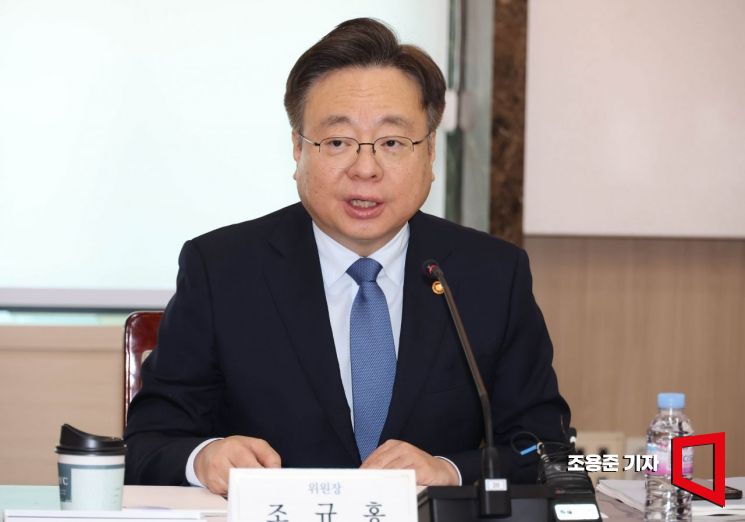 Health and Welfare Minister Kyo-Hong Cho is attending and speaking at the 2025 National Pension Fund Management Committee held at the Government Seoul Office in Jongno-gu, Seoul on the 17th. 2024.4.17 Photo by Yongjun Cho
© The Asia Business Daily(www.asiae.co.kr). All rights reserved.
![Clutching a Stolen Dior Bag, Saying "I Hate Being Poor but Real"... The Grotesque Con of a "Human Knockoff" [Slate]](https://cwcontent.asiae.co.kr/asiaresize/183/2026021902243444107_1771435474.jpg)
















