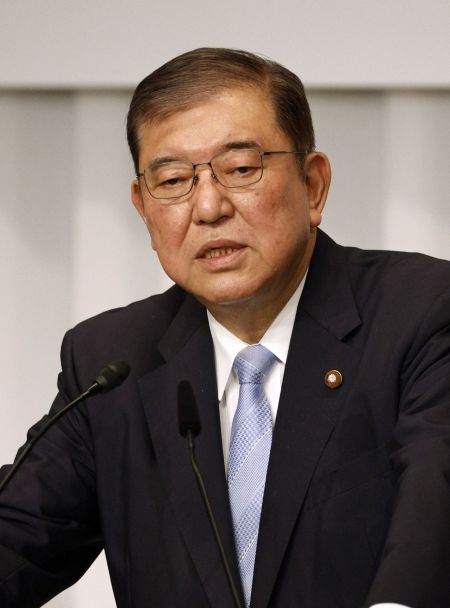
A public opinion poll released on May 18 showed that the approval rating for the cabinet led by Japanese Prime Minister Shigeru Ishiba has dropped to its lowest level since taking office in October last year.
According to a telephone survey conducted by the Mainichi Shimbun over two days with 2,045 respondents, the approval rating for the Ishiba cabinet stood at 22%, down 2 percentage points from the previous month.
The newspaper explained that while the approval rating had remained relatively stable, the latest figure is even lower than the 23% recorded in March, when Prime Minister Ishiba sparked controversy by distributing gift certificates to first-term lawmakers of the Liberal Democratic Party.
Meanwhile, a separate poll conducted by Kyodo News during the same period with 1,064 respondents showed the Ishiba cabinet’s approval rating at 27.4%, a drop of 5.2 percentage points from the previous month. This also slightly undercuts the 27.6% recorded in March, setting a new record low.
The main factors cited for the decline in approval ratings include the recent sharp rise in rice prices and the tariff policies of former U.S. President Donald Trump’s administration.
The Mainichi Shimbun analyzed that the government’s lukewarm response to rising rice prices and its passive stance on the issue of consumption tax cuts are preventing the consolidation of support, while the U.S. tariff issue is also negatively impacting the administration.
In the Mainichi survey, 62% of respondents expressed a negative view of the government’s response to the rice price issue, and 54% said they did not approve of the government’s response to U.S. tariffs.
In the Kyodo News poll, 74.3% of respondents said they had “no expectations” for the Ishiba administration’s negotiations regarding the Trump administration’s tariff measures, and 87.1% said the government’s measures to address rising rice prices were insufficient.
Although a recent survey announced on May 12 showed that rice prices in Japan fell slightly for the first time in 18 weeks, they remain more than double the level seen at the same time last year.
The government has begun releasing reserve rice stocks in stages to increase supply, but it is difficult to avoid criticism that its response has been too slow.
At the third round of tariff negotiations with the United States scheduled for May 23, significant differences remain over automobile tariffs and other issues, making a short-term agreement unlikely.
© The Asia Business Daily(www.asiae.co.kr). All rights reserved.












