Seoul Education Office's Lawsuit to Nullify Assessment Disclosure Ordinance Dismissed
Supreme Court Rules: "Ordinance Guarantees Residents' Right to Know and Ultimately Enhances Basic Academic Competency"
A regulation specifying that the results of basic academic competency assessments for students in Seoul can be made public has been found not to violate the law.
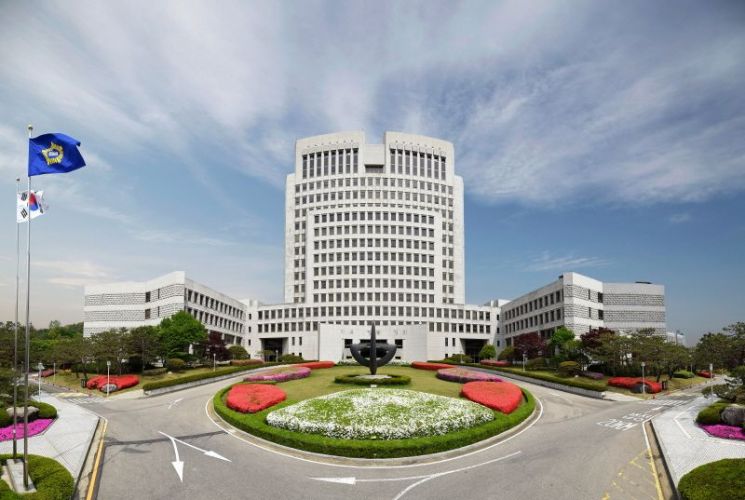
On May 15, the First Division of the Supreme Court, presided over by Justice Seo Kyunghwan, ruled against the plaintiff in a lawsuit filed by the Superintendent of the Seoul Metropolitan Office of Education against the Seoul Metropolitan Council, seeking to nullify the "Ordinance on Supporting the Guarantee of Basic Academic Competency by the Seoul Metropolitan Office of Education."
This ordinance, enacted by the Seoul Metropolitan Council and promulgated in May 2023, allows for the disclosure of the results of basic academic competency assessments for elementary, middle, and high school students in Seoul by school. Although students in Seoul undergo basic competency assessments annually, the results are not disclosed to parents or others. The Seoul Metropolitan Council prepared the ordinance in response to concerns over increased learning loss due to COVID-19 and the growing number of students falling below basic competency levels.
The Supreme Court stated, "It is difficult to view the ordinance as including provisions that exclude the authority of the Seoul Superintendent of Education to conduct basic academic competency assessments," and added, "It cannot be considered a violation of the Basic Academic Competency Guarantee Act or related laws."
Progressive education groups opposed the ordinance, arguing that it would promote the ranking of schools. The Seoul Metropolitan Office of Education also filed a lawsuit with the Supreme Court and requested a suspension of the ordinance's enforcement, claiming that the council had exceeded its legislative authority and that the ordinance violated higher-level laws.
The Supreme Court initially granted the request to suspend enforcement of the ordinance, but after deliberation, concluded on this day that the ordinance is valid. The Supreme Court explained, "The minimum achievement standards and detailed criteria for specific implementation plans related to guaranteeing basic academic competency should be determined in consideration of the conditions and circumstances of each region," and added, "It is a matter that allows for regulation tailored to the realities of each region, reflecting the local educational environment and levels of basic academic competency."
The Court further stated that guaranteeing residents' right to know and enhancing basic academic competency does not conflict with the legislative intent of the Act on Disclosure of Information by Educational Institutions. Regarding concerns that the ordinance could encourage school ranking, the Court noted that anonymizing individual schools when disclosing results could prevent such issues. The Supreme Court concluded, "The ordinance guarantees the right of Seoul residents to know about school education by disclosing the results of basic academic competency assessments by region and school, and by increasing their interest and participation, it ultimately aims to enhance basic academic competency."
© The Asia Business Daily(www.asiae.co.kr). All rights reserved.

















