Proactive Establishment of Integrated Care System Ahead of the 2026 Implementation of the Integrated Care Support Act
Three Main Strategies and Nine Core Tasks to Build a Comprehensive Support System for Healthcare, Health, Long-term Care, Daily Care, and Housing
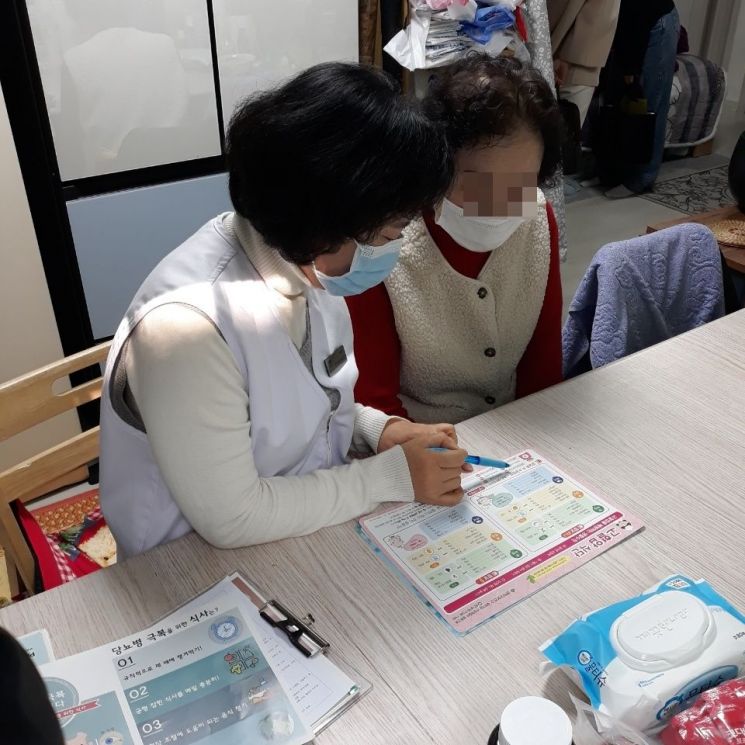
In December of last year, South Korea entered a super-aged society, with the elderly population accounting for more than 20% of the total population. For seniors to spend their later years in their own homes, it is essential for the local community to cooperate organically, rather than leaving the responsibility to a single individual.
Gwanak District has the highest proportion of single-person households in the country at 62.7%, and the elderly population ratio also reaches 18.5%. In response, Gwanak District (District Mayor Park Junhee) has proactively addressed the transition to a super-aged society by initiating the creation of a "one-stop integrated care city," aiming to ensure that residents can continue to live stable lives in their own neighborhoods.
Starting in May, the district will fully implement three main strategies and nine core tasks, focusing on five key areas: healthcare, health, long-term care, daily care, and housing.
First, to establish a one-stop integrated care system, the district has laid the institutional foundation since last year by enacting several relevant ordinances, such as the Gwanak District Community Integrated Care Support Ordinance and the Gwanak District Family Care Youth and Young Adult Support Ordinance. In April of this year, the district launched the Integrated Care Task Force (T/F).
In March of this year, the district was also finally selected for the "2025 Seoul Metropolitan Government Integrated Care Support Center Pilot Project," securing 75 million won in city funding. This has enabled the district to pursue a variety of regionally tailored pilot projects based on a stable financial foundation.
In particular, the district has established a smart care system utilizing Fourth Industrial Revolution technologies to dramatically improve access to welfare services and reduce welfare blind spots.
Notably, the district has launched the nation's first "Smart Home Visit Medication Management" project, which combines artificial intelligence (AI) technology to provide home visits and medication guidance for individuals taking multiple medications and those vulnerable to medication misuse or abuse. Other representative initiatives include the distribution of the AI companion robot "Kimi" to vulnerable groups and the implementation of a smart welfare check-in system.
Additionally, in the "healthcare sector," the district operates the "Multidisciplinary Medical Dream" project, which provides multidisciplinary services such as home visits by doctors, pharmacists, and nurses for bedridden patients. The "Mind Health Caregiver" project dispatches senior health caregivers to visit elderly individuals living alone to assist with depression and health management.
To strengthen preventive and management-oriented medical accessibility for medically underserved groups, the district is also promoting community-based medical service projects in cooperation with private organizations such as the Gwanak Jeongdaun Medical Welfare Social Cooperative and the Gwanak District Pharmacists Association.
In the "health sector," the district operates the "Senior Health Companion Project," in which doctors, nurses, and nutritionists visit seniors with chronic illnesses to provide customized health management services. It also runs "Dementia Safe Playground (No, Li Du)," the nation's first outdoor play-type dementia prevention program, to improve dementia awareness among local residents.
In the "long-term care sector," the district signed business agreements with six general hospitals last year for the "Hospital Discharge Patient Linkage Service" to support patients returning to daily life after discharge. The district is also actively promoting the "Home Medical Benefits Project" to support the discharge of medical benefit recipients.
In the "housing sector," the district operates the "Stepping Stone Housing" program for households facing housing crises and provides the "Air Conditioner Cleaning Service" to prevent respiratory diseases among housing-vulnerable groups. Especially starting in July of this year, the district will launch the "Housing Safety Plus" project as a pilot, aiming to improve the living environment for vulnerable groups with poor housing conditions by prioritizing convenience and safety.
Additionally, from July, the district will operate an "Integrated Care Service Desk" at local community centers to further enhance residents' access to welfare services. The district also plans to strengthen its response to high-risk care crisis households by holding integrated support meetings with public and private sector experts.
Furthermore, the district intends to actively foster an integrated care ecosystem by expanding cooperation with private organizations and related groups. The goal is to enable residents to maintain psychological stability and social relationships while continuing to lead healthy lives within the local community.
Park Junhee, Mayor of Gwanak District, stated, "Care is not simply a welfare service but a core element that determines the sustainability of a city. We will steadfastly promote the Gwanak-style integrated care model so that it can become a leading example of urban welfare policy not only in Seoul but throughout the country."
© The Asia Business Daily(www.asiae.co.kr). All rights reserved.












