US Tariffs on Chinese Goods Reduced from 145% to 30%
China Lowers Tariffs on US Goods from 125% to 10%
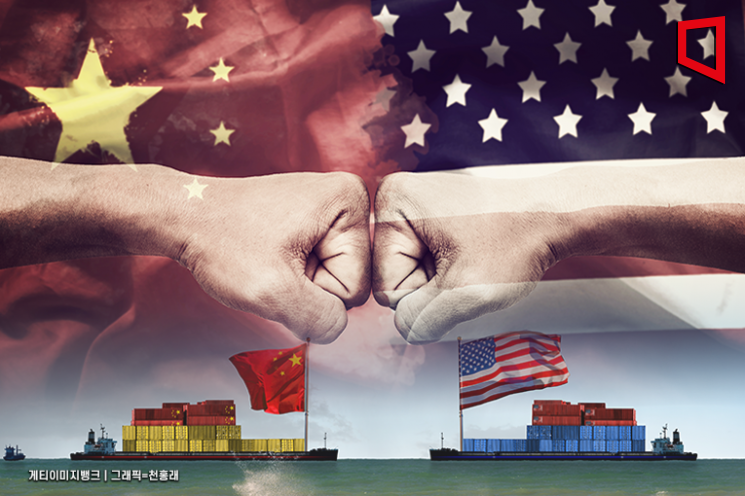
The tariff dispute between the United States and China has been temporarily resolved. According to a report by Bloomberg on May 12, the two countries reached an agreement to reduce tariffs by 115 percentage points each for 90 days through high-level talks held in Geneva, Switzerland.
According to the statement released that day and briefings from officials, the U.S. tariffs on Chinese goods will be lowered from the current 145% to 30%, while China's retaliatory tariffs on U.S. goods will be reduced from 125% to 10%.
U.S. Treasury Secretary Scott Besant stated, "We had very active and productive discussions to resolve the fentanyl issue," and added, "Both sides agreed that neither wants decoupling."
In their joint statement, the two countries said, "Both sides have agreed to establish a consultative framework to continue discussions on economic and trade relations."
Scott Besant, U.S. Treasury Secretary; Jamison Greer, U.S. Trade Representative; He Lifeng, Vice Premier of the State Council of China; and Li Chenggang, China's Vice Minister of Commerce and International Trade Negotiator, held two days of high-level, face-to-face marathon negotiations in Geneva, Switzerland, on May 10 and 11. Both sides stated that they made significant progress through these talks.
Bloomberg explained that this measure gives the world's two largest economies an additional three months to ease trade tensions and narrow their differences. The White House, in a statement the previous day, referred to this agreement as a "trade deal," but pointed out that it remains uncertain what mutually acceptable goals are, and how long it will take to achieve them.
The United States and China also signed a phase-one trade agreement in 2020 during the first Trump administration. At that time, the U.S. withdrew additional tariffs, and China agreed to purchase an additional $200 billion worth of U.S. goods. However, immediately afterward, China was unable to fulfill the agreement due to the COVID-19 pandemic, and a trade war began during the second Trump administration.
© The Asia Business Daily(www.asiae.co.kr). All rights reserved.

















