Nuclear (31.7%), Gas (28.1%), Coal (28.1%), Renewables (10.6%) in Order
Coal, which had been the largest power source for the past 17 years, has now fallen to third place behind nuclear and gas, signaling an acceleration in the energy transition. In addition, the share of renewable energy in power generation surpassed 10% for the first time in history.
According to the 2024 domestic energy supply and demand trends released by the Ministry of Trade, Industry and Energy on May 11, 2025, total domestic energy consumption in 2024 increased by 1.7% year-on-year to 309.4 million toe (tonnes of oil equivalent). However, energy intensity improved slightly, decreasing by 0.1%. This is analyzed as a result of increased industrial production activities, along with an overall improvement in energy efficiency across society.
Primary energy consumption increased for all energy sources except coal (including oil, natural gas, nuclear, renewables, and others). In particular, coal consumption decreased in both the power generation and industrial sectors, falling by 6.2% to 68 million toe. In contrast, oil consumption rose by 2.8% to 121.3 million toe, driven by a recovery in industrial demand, while natural gas consumption increased by 5.9% to 61.1 million toe due to expanded demand in power generation and industry.
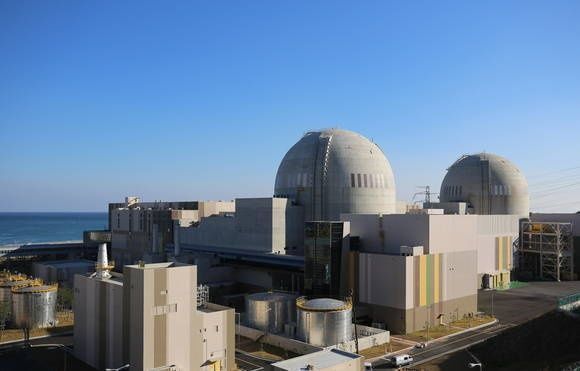
Nuclear consumption grew by 4.6% to 40.2 million toe, thanks to the operation of Shin Hanul Unit 2, while consumption of renewables and other sources, led by solar power, is estimated to have increased by 6.2% to 18.8 million toe.
In the electricity sector, total power generation rose by 1.3% to 595.6 TWh. Renewable energy generation showed the fastest growth, increasing by 11.7%, followed by gas (6.0%) and nuclear (4.6%). In contrast, coal-fired generation fell by 9.6%. As a result, the power generation mix was nuclear (31.7%), gas (28.1%), coal (28.1%), and renewables (10.6%), with nuclear reclaiming its position as the largest power source for the first time in 18 years.
Power generation capacity also increased by 8.7 GW (6.0%). Capacity expanded across all sources: renewables (3.3 GW, +10.5%), gas (3.1 GW, +7.3%), nuclear (1.4 GW, +5.7%), and coal (1.1 GW, +2.7%). In particular, solar capacity grew by 13.1% year-on-year, driving the expansion of renewables. Total installed generation capacity reached 153.1 GW, with gas at 30.3%, coal at 26.3%, renewables at 22.7%, and nuclear at 17.0%.
Despite a decline in industrial electricity consumption, total electricity consumption increased by 0.4% to 536.6 TWh, due to the effects of summer heatwaves and the expansion of electric vehicles. Industrial electricity consumption decreased by 1.7%.
Final energy consumption by sector increased by 1.9%. The industrial sector rose by 3.5% to 130.9 million toe, driven by increased demand in petrochemicals (+7.5%) and machinery (+6.0%). The transportation sector fell by 1.2% to 34.9 million toe, due to decreased consumption in shipping, aviation, and rail. The building sector fell by 0.3% to 46.3 million toe, as increased summer cooling demand was offset by reduced city gas consumption in winter.
Cho Ikno, Director General for Energy Policy at the Ministry of Trade, Industry and Energy, stated, "Industrial production and energy efficiency are improving together, and the supply of carbon-free energy is also expanding steadily." He added, "Going forward, we will continue to pursue carbon neutrality while providing stable and economical energy to AI data centers and advanced industries to support economic growth."
© The Asia Business Daily(www.asiae.co.kr). All rights reserved.

















