Korea Aerospace Administration Applies for Change in Preliminary Feasibility Study
Aims to Develop Next-Generation Launch Vehicle as Reusable Model
Agency Addresses Budget Concerns and Seeks to Enhance Global Competitiveness
Pledges No Further Delays Despite Additional Administrative Procedures
The Korea Aerospace Administration is now undertaking the process of changing the preliminary feasibility study for the next-generation launch vehicle project, which involves a 2 trillion won investment, in order to convert it into a reusable launch vehicle.
On May 8, the Korea Aerospace Administration announced that it had applied to the Ministry of Economy and Finance on May 2 for a re-examination of the project plan’s validity to change the next-generation launch vehicle development project plan.
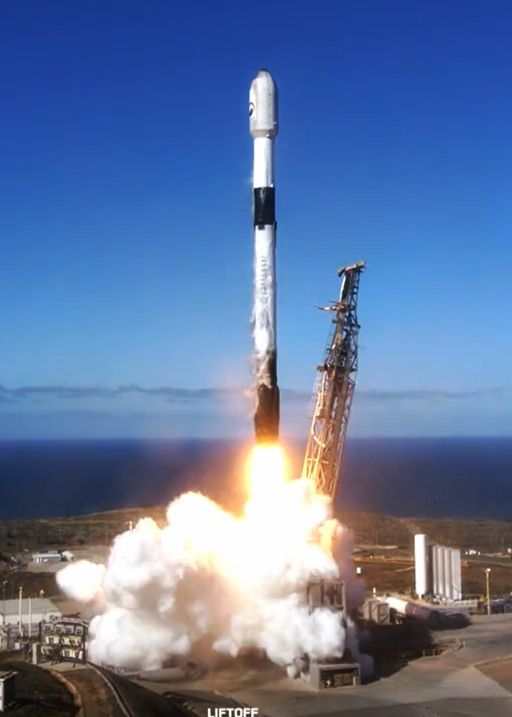
In February, the agency applied for a special evaluation, which is a procedure to restructure the research and development (R&D) project, to develop the next-generation launch vehicle as a reusable launch vehicle. However, on April 24, it was determined that the project was not eligible for evaluation.
At that time, the scale of the budget increase was mentioned as a reason for non-selection. The agency has now addressed the reasons for non-selection and applied for the validity re-examination.
The Korea Aerospace Administration stated, "We are pursuing early adoption of reusability to proactively respond to the rapidly changing global trends in space launch vehicle development and to enhance the competitiveness of the next-generation launch vehicle." The agency added, "If the project plan is changed through the re-examination, we expect this to be an important turning point for securing competitiveness in the space launch service market."
Regarding concerns that additional administrative procedures, despite the project already being delayed, could make it difficult to achieve the goal of a lunar landing by 2032, the agency stated, "We will make every effort to proceed with the project without any further delays in the schedule."
© The Asia Business Daily(www.asiae.co.kr). All rights reserved.

















