3.75% Reduction in the First Year, 2.5% in the Second Year
Applies to Foreign Companies Manufacturing in the U.S.
No Overlapping Tariffs with Other Item-Specific Duties
The Donald Trump administration has decided to temporarily reduce the tariff burden on companies manufacturing automobiles in the United States using imported parts for a period of two years.
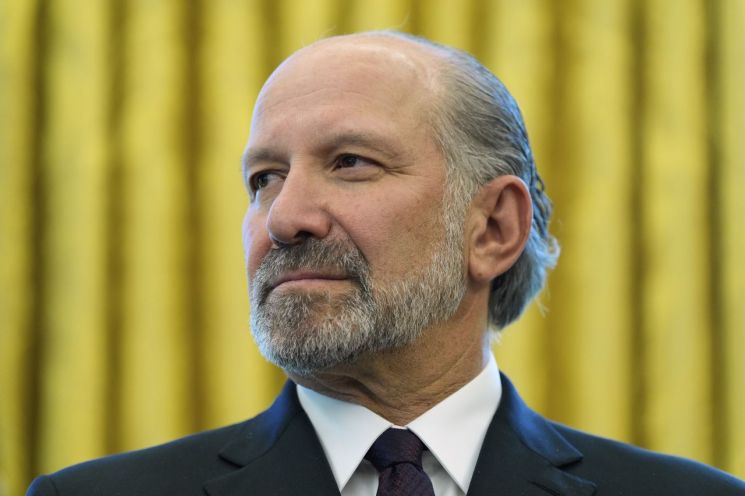
On April 29 (local time), a senior official at the U.S. Department of Commerce introduced the policy to ease tariffs on auto parts during a briefing. According to the official, if a company completes and sells automobiles in the United States and submits records to the Department of Commerce, it will receive a "credit" equivalent to 15% of the vehicle's price. The company can then use this credit to offset tariffs on imported auto parts in the future.
The official explained, "Basically, this allows companies to source up to 15% of the parts used in vehicles from abroad without paying tariffs and incorporate them into automobiles."
This policy is planned to be implemented for two years. In the first year, the credit will be recognized at 15% of the vehicle's price, which the official explained is effectively a 3.75 percentage point reduction from the original 25% tariff on parts. In the second year, the rate will be lowered to 10%, and from the following year, no offset benefit will be provided.
The official stated that this policy is being implemented because automakers have argued that it takes time to establish a complete supply chain in the United States, adding, "Two years is sufficient time." According to the official, President Trump asked companies what they could offer the United States in exchange for time to adapt to the tariffs, and in response, both U.S. and foreign automakers promised to create tens of thousands of jobs, expand production, increase production lines, and build new factories.
The official also explained that, no matter how hard the auto industry tries, 15% of auto parts cannot be sourced in the United States, which is why the decision was made not to impose tariffs on that portion. He stated, "Any vehicle completed in the United States with a domestic parts ratio of 85% or higher will not be subject to any tariffs." He added that this easing measure applies to "all automobiles manufactured in the United States, including those by both domestic and foreign companies."
It was also clarified that the parts tariff will not be imposed in addition to other item-specific tariffs. For example, the United States currently imposes a 25% tariff on steel, but for auto parts made of steel, companies will pay either the 25% steel tariff or the 25% parts tariff, whichever is higher, but not both. "They do not overlap," the official explained.
Since April 3, the United States has imposed a 25% tariff on automobiles, and this tariff will be extended to auto parts starting May 3.
© The Asia Business Daily(www.asiae.co.kr). All rights reserved.

















