Junggye-bondong Redevelopment Plan Amendment Approved
138 Apartment and Officetel Units to Be Built in Mapo-ro District 4, Zone 1
25-Story Office Building Planned for Gwansu-dong District 8
Magok Sinan Villa to Be Reconstructed into 365 Units with Donation of Self-Support Center
The redevelopment project for Baeksa Village, which was formed in the late 1960s when evictees moved in en masse, will officially break ground in November 2025. Baeksa Village will be transformed into a large-scale complex with 3,178 housing units, an increase of 741 units compared to the original redevelopment plan.
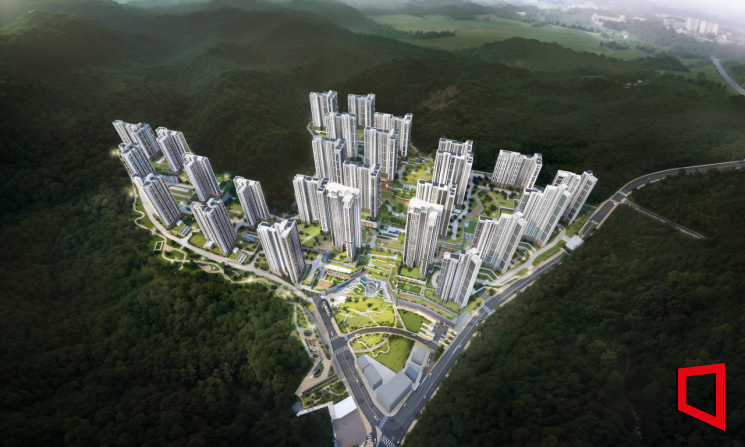
On April 25, the Seoul Metropolitan Government announced that the Third Integrated Redevelopment Project Review Committee had approved proposals for the implementation plans of four projects, including the Junggyebondong Housing Redevelopment Project and the Mapo-ro District 4, Zone 1 Urban Redevelopment Project.
The redevelopment plan for Baeksa Village, located at 30-3 Junggyebondong, Nowon-gu, has been finalized. After the redevelopment, the area will become a large-scale complex with 26 buildings, ranging from four basement levels to 35 above-ground floors, and a total of 3,178 housing units. With the number of units increased by 741 compared to the original plan, the project’s profitability has been secured. The site is close to the Eunhaeng Sageori educational district, a representative school district in northern Seoul, and the Dongbuk Line light rail, which will allow access to Wangsimni in about 20 minutes, is also planned for construction, which is expected to further improve transportation conditions.
Although the area was designated as a housing redevelopment zone in 2009, the project faced various obstacles, including the withdrawal of Korea Land and Housing Corporation as the project operator, before an integrated redevelopment plan was established. The Junggyebondong Housing Redevelopment Project passed the review of the Nowon-gu Building Demolition Expert Committee in January and is currently undergoing preparatory work for full-scale demolition, such as the installation of fences. Construction is scheduled to begin in November 2025, with completion targeted for the first half of 2029.
Through in-depth reviews of the redevelopment plan, architecture, and landscape, a new redevelopment plan was boldly established, departing from the original framework. The plan incorporates building heights and skyline that harmonize with Bulamsan Mountain, open view corridors, nature-friendly public walkways within the complex, a social-mix community, and integrated underground parking circulation. The integrated review committee also suggested additional improvements, such as the creation of parks and linkage with the nearby Bulamsan Neighborhood Park.
The Seoul Metropolitan Government stated, "To ensure the smooth completion of this long-term project, we will implement intensive monitoring of all processes until completion, proactively resolving any obstacles that may arise during implementation, and do our utmost to meet the expectations of local residents who hope for the prompt completion of the project."
Mapo-ro District 4, Zone 1: Construction of 138 Apartment and Officetel Units
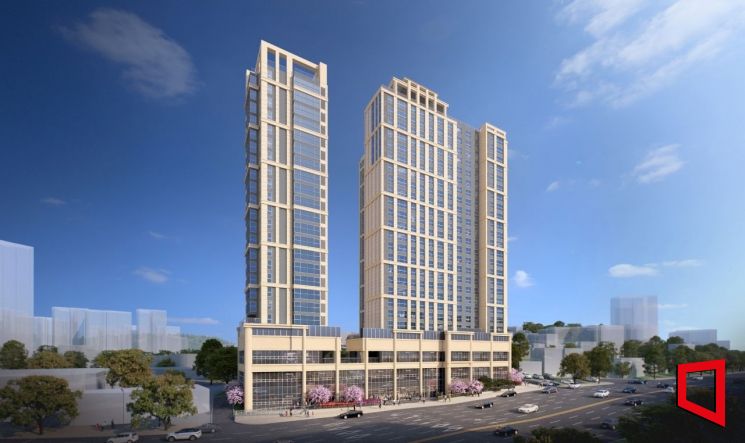
The project for Mapo-ro District 4, Zone 1 (876 Bukahyeon-dong, Seodaemun-gu), located between Chungjeongno Station and Ahyeon Station on Line 2, has also passed the integrated review. The project will build two buildings, each with five basement levels and 23 above-ground floors, comprising 100 apartment units and 38 officetels. Neighborhood living facilities and ancillary facilities will be located on the first and second floors, and a cultural facility to be used as a public art space will also be created.
Mapo-ro District 4 was designated as a redevelopment zone in 1979, and 9 out of its 13 zones have already completed urban redevelopment projects. The recently reviewed Zone 1 is located at the entrance of Bukahyeon-dong Furniture Street. While it has excellent transportation accessibility, it is an area densely packed with old and substandard buildings, making urban environment improvement necessary.
Gwan-su Dong District 8: Construction of a 25-Story Office Building
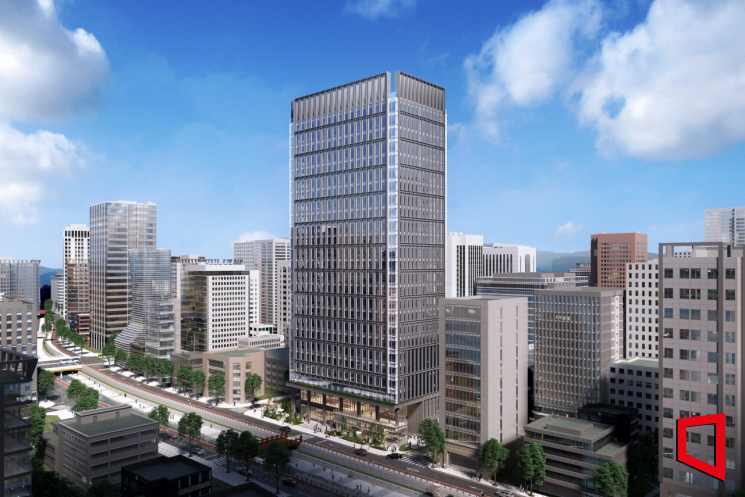
The Gwan-su Dong District 8 Urban Redevelopment Project (129-1 Gwansu-dong, Jongno-gu), located between Jongno 3-ga Station and Cheonggyecheon, will create an office building with nine basement levels and 25 above-ground floors. This is the first urban redevelopment project to be implemented among the designated urban redevelopment zones in the Gwansu-dong area.
An open green space is planned for the southwest side of the project site, connecting to Cheonggyecheon and Supyoro. Neighborhood living facilities will be concentrated along the Cheonggyecheon side, directly linked to the open green space to activate the street, and an open balcony overlooking Cheonggyecheon will be created on the second floor. On the first floor along Supyoro, a low-rise open space connected to the green area will be arranged. The integrated review stipulated improvements to the underground parking circulation system to ensure convenient use.
Magokdong Sinan Villa Reconstruction: Up to 15 Floors, 365 Units
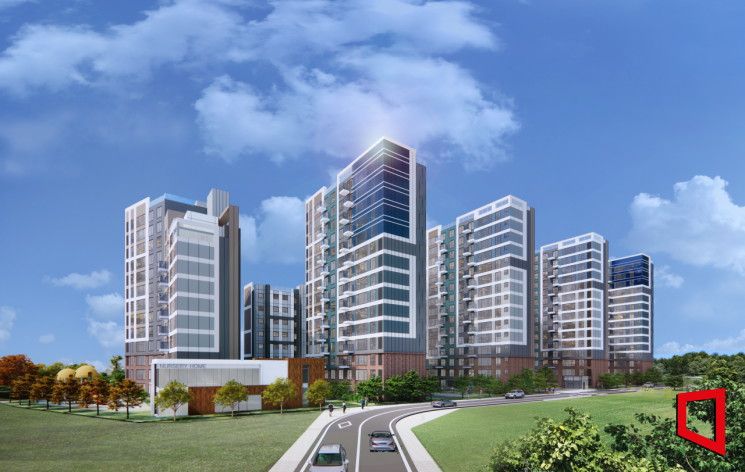
The Sinan Villa reconstruction project (327-53 Magok-dong), adjacent to Gimpo Airport and Magoknaru Station on Line 9, has also passed the integrated review. The project will construct eight apartment buildings up to 15 stories high, totaling 365 units. Although the area was designated as a redevelopment zone in 2012 and the project implementation plan was approved in 2018, the project was delayed due to the cancellation of the association establishment approval. However, with the decision of the integrated review committee, the project is now expected to gain momentum.
The Sinan Villa reconstruction project plans to donate a self-support center that will contribute to job creation. It will also provide educational spaces for local residents’ self-reliance, thereby playing a significant role in enhancing public benefit and supporting community independence. Ancillary and welfare facilities have been arranged for convenient access to commuting routes and children's parks. The review committee also requested improvements to the transportation plan to ensure safe vehicle entry and exit.
Choi Jinseok, head of the Seoul Metropolitan Government’s Housing Division, stated, "The integrated review for improving large-scale residential environments and revitalizing the city center is a representative example of establishing efficient architectural plans tailored to local conditions, improving the residential environment of large, aging complexes, and securing public benefit, thereby contributing to the quality of life for citizens. By expanding the scope of integrated reviews, which Seoul is leading, we will connect these efforts to prompt administrative support and regulatory reform, thereby firmly ensuring housing stability for citizens."
© The Asia Business Daily(www.asiae.co.kr). All rights reserved.



















