Cutting Back on Hygiene Products Due to Living Cost Concerns
Hygiene Poverty Spreads Among Young People
According to a survey, 5 out of 10 French citizens are cutting back on hygiene product consumption such as shampoo and shower gel due to concerns about monthly living expenses. Some French people even conserve toilet paper and reduce the frequency of laundry.
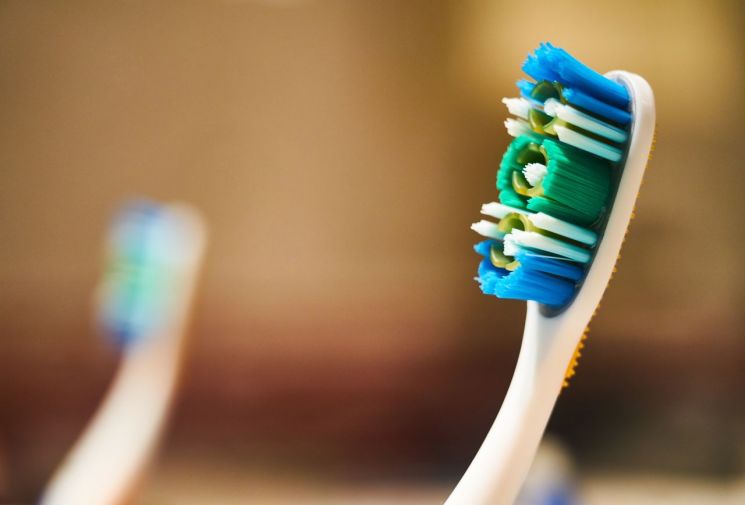 One in ten French people has stopped purchasing basic hygiene products. Eight percent gave up buying toothpaste or shower gel. Photo by Pixabay
On the 14th (local time), the international polling agency IFOP announced that 49% of French people were worried about running out of monthly living expenses. Additionally, 41% expressed anxiety about falling into poverty, and 21% said they might rely on charitable organizations to purchase food. This survey was conducted from November 14 to 20 last year, targeting 4,003 French adults. Compared to last year's survey, conducted during a time of rising economic anxiety due to inflation and other factors, the situation seems somewhat improved, but concerns about financial conditions remain.
In particular, these concerns about insufficient living expenses among the French population have led to a decrease in hygiene product consumption. 47% of respondents said the current economic situation is prompting them to limit or reduce their hygiene product usage. Furthermore, 17% reported having to choose between groceries and hygiene products. The hygiene products people gave up first were cosmetics used for appearance. Among female respondents, 33% gave up makeup products, and 27% stopped using hair dye. As a result, a significant number of French women reported not wearing makeup (37%) or not dyeing their hair (36%).
Many also gave up basic hygiene products. One in ten French people stopped purchasing essential hygiene items. 9% said they no longer buy shampoo, and 8% gave up buying toothpaste or shower gel. This has also changed daily habits. 24% of respondents decided not to replace their toothbrushes frequently, and 22% said they conserve toilet paper. 15% said they do not wash their hair as often as they would like.
Additionally, 32% of respondents said they wear clothes longer to reduce laundry frequency, and 21% said they either do not use detergent or reduce the amount used.
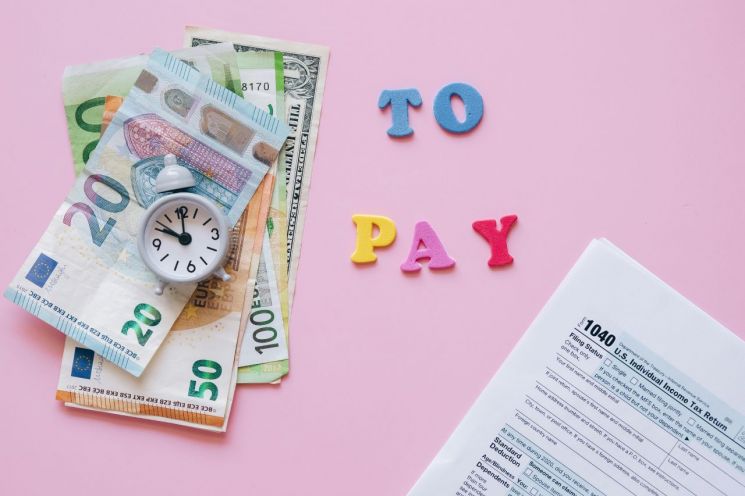
IFOP stated, "Although indicators of economic vulnerability and hygiene poverty have slightly improved compared to last year, they have not returned to pre-COVID-19 levels. In particular, hygiene poverty is spreading beyond limited vulnerable groups to include young people," and suggested, "To prevent this crisis from becoming structural, access to essential products should be reconsidered as a means of social inclusion."
France's Economic Growth Rate Plummeted to -0.1% Last Year
Earlier, France recorded an economic growth rate of -0.1% last year, much worse than the 0.7% in 2023. This was largely due to the severe political division following the early general election last summer, which prevented the resolution of a massive fiscal deficit. French Prime Minister Michel Barnier proposed the 2025 budget plan, which includes tax increases and cuts in public spending, to address the fiscal deficit amounting to 154 billion euros (approximately 232.58 trillion won) last year.
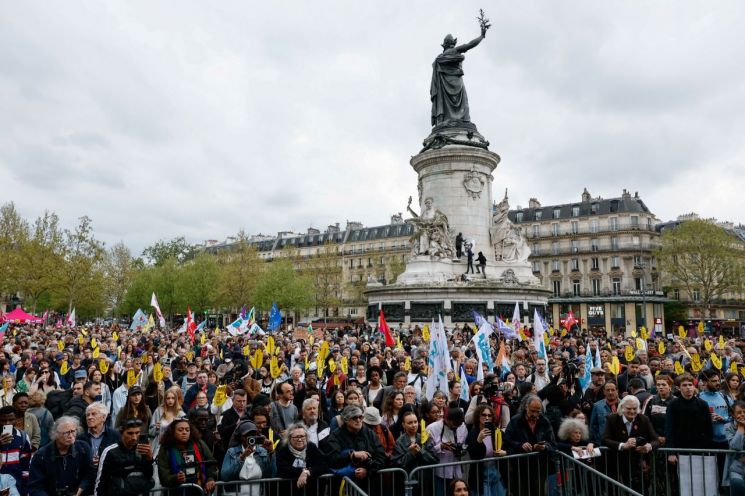 Earlier, France recorded an economic growth rate of -0.1% last year. This is much worse than the 0.7% in 2023. This was largely due to the aftermath of failing to resolve a massive fiscal deficit amid severe political division following the early general election last summer. Photo by Reuters·Yonhap News
However, the left-wing coalition New Popular Front (NFP) and the far-right National Rally (RN) filed a no-confidence motion against the prime minister on December 2 last year, citing reductions in welfare benefits. As a result, the budget for this year was not passed. Meanwhile, the international credit rating agency Moody's downgraded France's sovereign credit rating from 'Aa2' to 'Aa3' in December last year. Moody's explained in a statement, "French public finances have been significantly damaged by political division," adding, "Under these circumstances, the likelihood that the next government will continuously reduce the fiscal deficit after next year is low." In other words, 'political collapse' has hindered the economy.
© The Asia Business Daily(www.asiae.co.kr). All rights reserved.



















