UNESCO Certification of Gyeongbuk East Coast Global Geopark Officially Designated on the 17th
Geological Value of the Korean Peninsula Recognized...
Expected to Be Utilized as a Tourism and Educational Resource
The designation of the 'Gyeongbuk East Coast UNESCO Global Geopark' (covering 2,693.69 km², including Pohang, Gyeongju, Yeongdeok, and Uljin), which includes seven geological sites such as the Homigot Coastal Terrace in Pohang and the Yeonamdong Fossil Site, was approved at the 221st session of the UNESCO Executive Board held in Paris, France, on the 10th (local time).
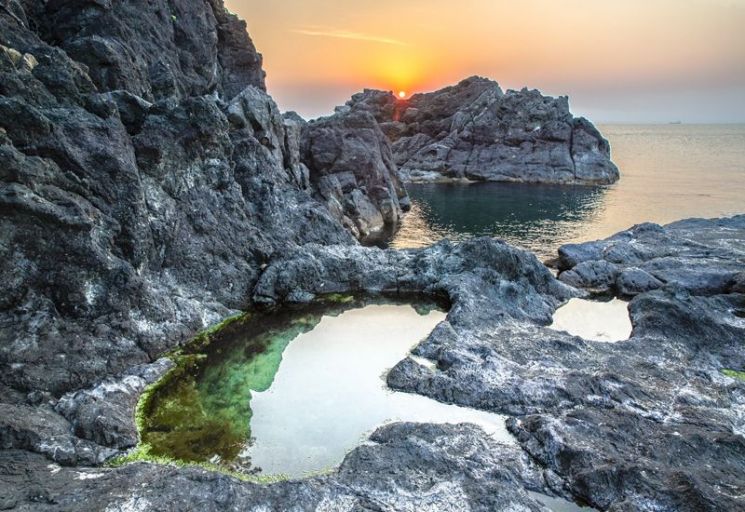
The official notification of the designation will be made on April 17.
This designation is significant as it marks the listing of a representative geological heritage of the Korean Peninsula, alongside Mount Baekdu in North Korea, as a UNESCO Global Geopark. It signifies the international community's official recognition of the value of the peninsula's natural heritage.
Once designated as a UNESCO Global Geopark, the official logo can be used on local specialty products, increasing their added value. It also facilitates the securing of national funding, making it easier to support the operation of the geopark and its interpreters. Additionally, participation in the Global Geoparks Network enhances international promotion and is expected to have a positive impact on the revitalization of ecotourism.
The UNESCO Global Geopark designation is based on a comprehensive evaluation not only of geological value but also of connections with ecological, historical, and cultural resources, community cooperation, and sustainable management systems. The final decision for the Gyeongbuk East Coast designation was made after the submission of a letter of intent to UNESCO in June 2023, an on-site inspection in July last year, and a review by the Global Geoparks Council in September last year.
The Gyeongbuk East Coast Geopark has been recognized for its outstanding academic, educational, and tourism value, as it is home to the largest Cenozoic fossil site on the Korean Peninsula, traces of East Asian tectonic structures and magmatic activity, and diverse geological landscapes.
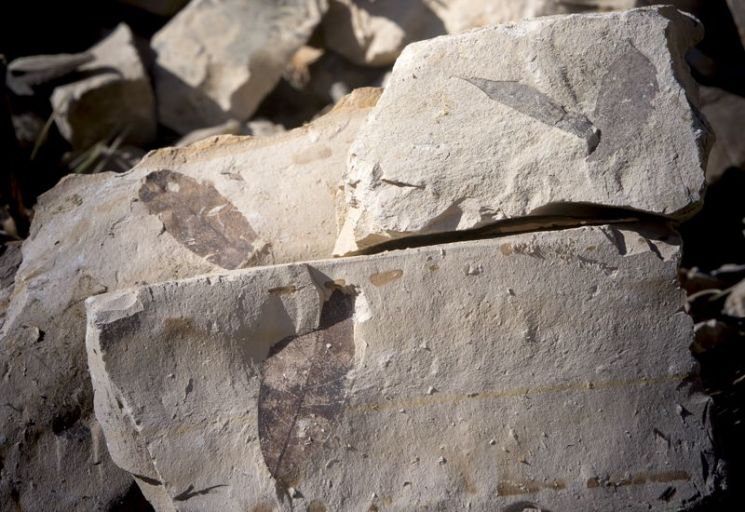
In particular, numerous fossils of organisms from the Cenozoic Tertiary period have been discovered in the sedimentary basin around Pohang. The Yeonamdong Fossil Site is a major academic resource containing Cenozoic fossils from about 22 million years ago, while the Homigot Coastal Terrace records the history of sea level changes in the East Sea and crustal movements.
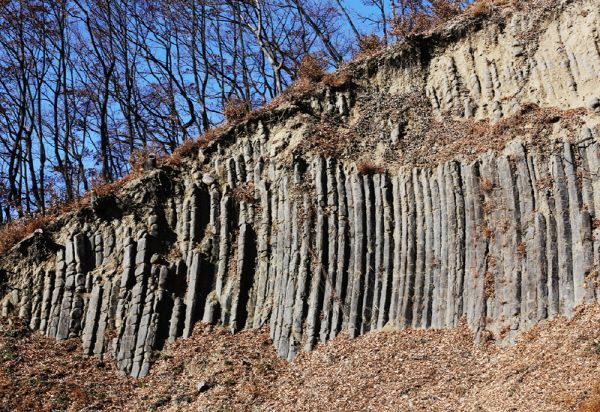
In addition, a total of seven sites are included, such as Daljeonri Columnar Joint (Natural Monument No. 415), Guryongso Potholes, Naeyeonsan Twelve Waterfalls, Bunokjeong, and Hindigi. Geopark information centers are currently operating in Yeonamdong and Homigot, and interpretation programs are also provided.
Do Myeong, Director of the Environmental Bureau, said, "This certification will promote Pohang to the world and serve as an opportunity to secure competitiveness in the international tourism market," adding, "We will also strive to revitalize the local economy through systematic conservation and management."
© The Asia Business Daily(www.asiae.co.kr). All rights reserved.
![Clutching a Stolen Dior Bag, Saying "I Hate Being Poor but Real"... The Grotesque Con of a "Human Knockoff" [Slate]](https://cwcontent.asiae.co.kr/asiaresize/183/2026021902243444107_1771435474.jpg)


















