Emergency On-site Meeting Held with Shipping Companies and Operators
in Response to U.S. Reciprocal Tariff Measures Effective from April 9
Busan Port Authority (BPA, President Song Sangkeun) held a meeting on the 4th to strengthen cooperation with related industries and ensure that cargo exported to the United States through Busan Port can be shipped without disruption, in preparation for the U.S. government's reciprocal tariff measures set to take effect on April 9.
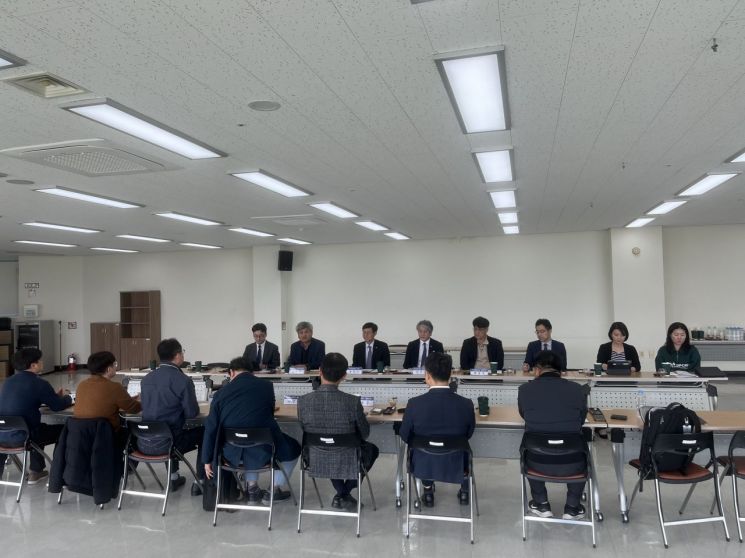 Busan Port Authority, Full Effort to Respond to U.S. Tariff Enforcement. Photo by Busan Port Authority
Busan Port serves as Asia's "Last Port" for regular container routes bound for North America, providing a strategic hub that offers the final opportunity to load export cargo just before tariffs are applied.
Accordingly, Busan Port Authority held an emergency on-site meeting with shipping companies and terminal operators to prevent any confusion in the shipping schedules of domestic exporters.
The term "Last Port" refers to the last port in Asia where ships call before crossing the Pacific Ocean to North America.
On the morning of the 4th, Busan Port Authority held a meeting with local branch managers of shipping companies in Busan to discuss response measures aimed at minimizing tariff risks for domestic exporters and ensuring there is no confusion in berth schedules.
In addition, at a meeting with terminal operator CEOs held later that afternoon, BPA requested cooperation for maintaining an emergency response system, and discussed in detail the real-time sharing of cargo loading and departure schedules for North America-bound shipments, as well as operational optimization measures to prevent terminal congestion.
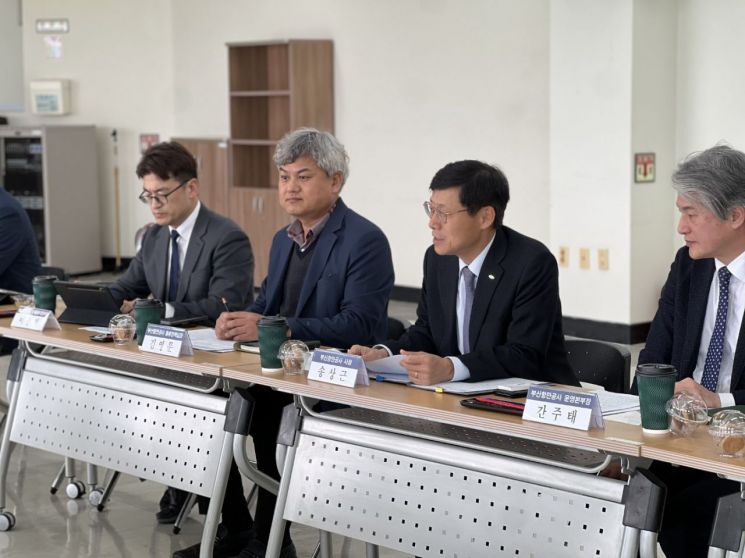
BPA President Song Sangkeun emphasized, "Busan Port is the largest gateway for Korea's exports to the United States, and it is crucial to support domestic exporters by ensuring timely loading of U.S.-bound cargo and vessel departures. Busan Port Authority will continue to work closely with the government, shipping companies, and operators to respond swiftly to the rapidly changing trade environment, including tariff policy changes."
© The Asia Business Daily(www.asiae.co.kr). All rights reserved.


















