Swift Evacuation Measures for Facility Residents
with the Establishment of a New Manual
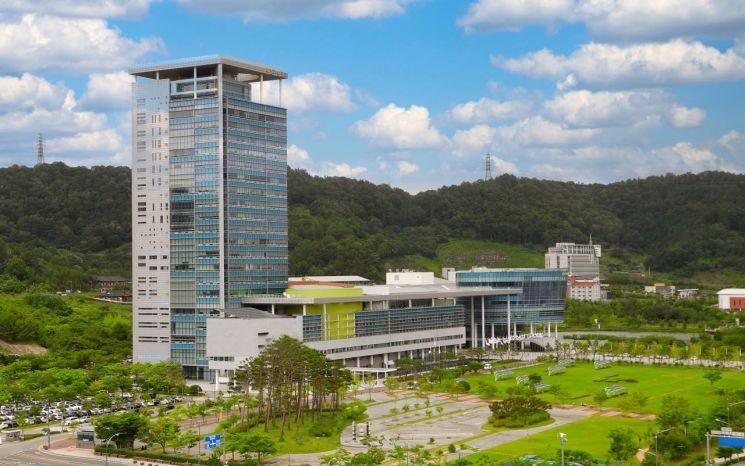
Jeollanam-do is taking proactive measures to establish a wildfire evacuation manual for disaster-vulnerable groups, such as residents of social welfare facilities, nursing homes, facilities for the disabled, and long-term care hospitals, in order to prepare for larger wildfires due to the climate crisis and prevent casualties.
The national wildfire disaster crisis alert remains at the 'serious' level, and in light of recent tragic incidents in the Gyeongbuk region where nursing home residents were unable to evacuate quickly during large-scale wildfires, these preemptive measures aim to support the swift evacuation of residents in social welfare (nursing/medical) facilities in case of emergencies.
The target includes 394 out of 605 social welfare facilities located within 500 meters of forest areas, designated based on the speed of wildfire spread and other factors. Specifically, this includes 277 elderly care facilities, 58 facilities for the disabled, 7 homeless shelters, 6 psychiatric rehabilitation facilities, 7 general hospitals, 15 general clinics, and 24 long-term care hospitals.
According to the manual, the timing of evacuation is determined by the on-site commander based on the 'wildfire spread prediction map,' and residents in wildfire risk areas are to be immediately evacuated to pre-designated temporary shelters.
On-site commanders for each wildfire spread stage are as follows: for Stage 1 (affected area 10-50 ha) and Stage 2 (50-100 ha), the city mayor or county governor; for Stage 3 (over 100 ha affected, lasting more than 24 hours), the provincial governor and the head of the Korea Forest Service.
Evacuation sites are pre-designated by facility type, including temporary shelters and transfer hospitals. For residential facilities, mild cases (ambulatory residents) are evacuated to school auditoriums, gymnasiums, or community centers, while severe cases (bedridden or semi-bedridden) are transferred to nearby facilities or hospitals.
For medical facilities, severe patients are to be urgently transferred to general hospitals such as Mokpo Korea Hospital and Suncheon St. Carollo Hospital, while mild patients are to be sent to one of 99 designated nearby hospitals.
For residential facilities, evacuation is carried out together with staff according to each facility's disaster response manual. If there is a shortage of personnel, city and county officials, life support workers, and volunteer firefighters are pre-matched with residents to provide vehicle evacuation support. For medical facilities, evacuation is conducted in cooperation with nurses and staff, using ambulances from nearby hospitals, according to each hospital's disaster response manual.
Additionally, supplies will be distributed to residents admitted to evacuation facilities due to wildfires, and medical staff will be deployed or emergency patient transport systems will be operated in preparation for urgent situations.
City and county officials will form a 24-hour on-site response team to establish a cooperative system between the province and local governments for wildfire preparedness. Trauma treatment and mobile medical services will also be actively supported using the 'Mind Relief Bus' and 'Health Bus' programs.
© The Asia Business Daily(www.asiae.co.kr). All rights reserved.
![Clutching a Stolen Dior Bag, Saying "I Hate Being Poor but Real"... The Grotesque Con of a "Human Knockoff" [Slate]](https://cwcontent.asiae.co.kr/asiaresize/183/2026021902243444107_1771435474.jpg)
















