"We Are Immersed in an Era of 'Fake News' and Misinformation"
April 1st is 'April Fools' Day.' Every year on April 1st, foreign media outlets have enjoyed joking with readers by reporting completely absurd or nearly baseless stories as if they were true.
According to a Yonhap News report on the 1st, ten years ago, there were so many April Fools' articles in overseas newspapers that they were compiled into special feature articles, but recently, it has become difficult to find such prank articles.
Previously, the UK's public broadcaster BBC aired its first April Fools' broadcast in 1957 with a story about a Swiss family harvesting spaghetti noodles from trees. At the time, most Britons, for whom spaghetti was not a staple food, reportedly believed it was true.
However, now foreign newspapers only publish one or two prank articles on April Fools' Day. Some experts attribute this to the rise of social networking services (SNS).
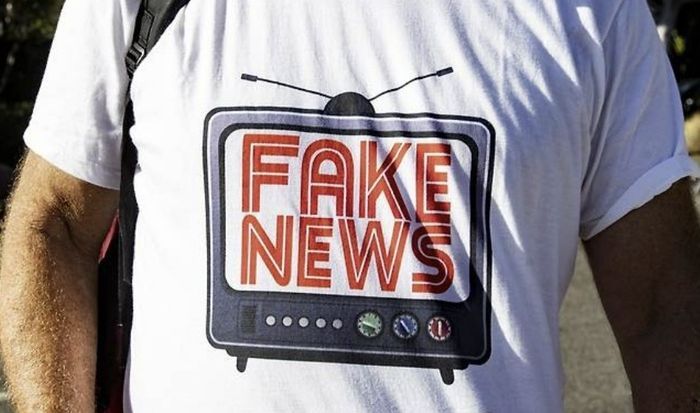
Stuart Allan, a media scholar at Cardiff University in the UK, told the BBC in an interview, "We are living in an era of 'fake news' and misinformation. In such times, editors prioritize issues of trust above all else." He also diagnosed that with the rise of SNS, a different kind of relationship has emerged between the media and readers.
He explained, "The decline in April Fools' articles reflects a broader societal skepticism toward news. In such times, playing with journalism's credibility can be harmful."
 A fake spaghetti tree video broadcast by the British BBC on April Fools' Day in 1957. 'About Switzerland' Facebook capture Yonhap News Photo
Some analysts also believe that changes in the global political landscape following the inauguration of the second term of U.S. President Donald Trump have had an impact.
Jim Waterson, editor of the British news website London Centric, questioned, "If there are world leaders who are delighted to dismiss everything based on facts as 'fake news,' why would we hand them the literal weapon of fake news?"
He also noted that the waning popularity of April Fools' articles is influenced by news consumers not being bound by the date of publication when accessing news on SNS.
When reading news in print newspapers, readers knew the report was published on the date printed at the top of the paper, but now it is different. Online, news can be shared days, months, or even years after the initial report.
Dr. Bina Ogbevor, who teaches journalism at the University of Sheffield in the UK, pointed out, "April Fools' articles can anger readers or undermine the credibility of the media. While there are still aspects of April Fools' articles that make people laugh, if the media decides to publish such articles, they must include a very clear disclaimer."
© The Asia Business Daily(www.asiae.co.kr). All rights reserved.

![Clutching a Stolen Dior Bag, Saying "I Hate Being Poor but Real"... The Grotesque Con of a "Human Knockoff" [Slate]](https://cwcontent.asiae.co.kr/asiaresize/183/2026021902243444107_1771435474.jpg)
















