Subrogation Payments for Jeonse Fraud Surpass 6 Trillion Won
Losses from Guarantee Defaults and Non-Performing Loans Surge
Total Capital Maintained at 4.9 Trillion Won Through In-Kind Contributions and Fund Injection
"New Risks Have Decreased... But Existing Defaults Still Pile Up"
The Housing and Urban Guarantee Corporation (HUG) has continued its deficit streak for three consecutive years. The cumulative loss over the three years is approaching 7 trillion won. There are also concerns that without external capital injection, it would have practically fallen into capital erosion.
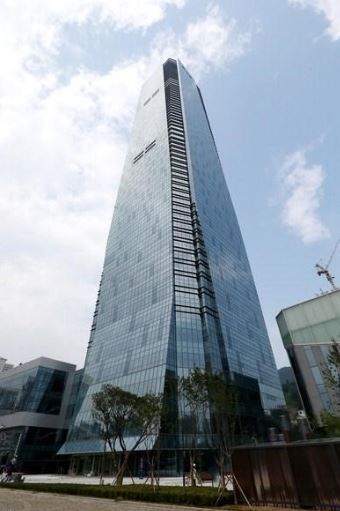
According to HUG's 2024 financial statement announcement on the 1st, it recorded a net loss of 2.5198 trillion won last year. Following losses of 408.7 billion won in 2022 and 3.8598 trillion won in 2023, the cumulative loss over three years amounts to 6.7883 trillion won. The main cause of the deficit is attributed to the expansion of guarantee defaults amid the housing market downturn. Last year, the amount of subrogation payments, including those for victims of jeonse fraud, reached 6.094 trillion won, a 23.8% increase compared to the previous year. The number of guarantee accident cases also increased by 154.9 billion won to 4.4896 trillion won. Guarantee finance costs exceeded 1.97 trillion won, more than double that of the previous year.
Guarantee operating expenses were 2.893 trillion won, nearly half of the previous year's 5.161 trillion won. This is seen as a result of improved debt recovery performance due to the introduction of new businesses such as ‘Dundeun Jeonse’. A HUG official explained, “The amount of debt recovery increased by more than 900 billion won compared to the previous year,” adding, “Thanks to this, the net loss was reduced by 1.34 trillion won compared to 2023.”
However, the financial structure remains unstable. HUG’s reserve fund stood at about 750 billion won. The ‘remaining guarantee element,’ which indicates future guarantee risk, is 5.37 trillion won, and the estimated loss from guarantee accidents amounts to 4.61 trillion won. If guarantee risks materialize, the current capital structure would be insufficient to cover them.
Despite this situation, HUG’s total capital increased to 4.9409 trillion won as of the end of last year. This was due to the in-kind contribution of 4 trillion won worth of Korea Expressway Corporation shares from the Ministry of Land, Infrastructure and Transport, and a 700 billion won injection from the Housing and Urban Fund. Additionally, 700 billion won worth of hybrid capital securities were issued. Without the expansion of external capital, HUG could have faced capital erosion.
Meanwhile, to mitigate guarantee risks, the government lowered the collateral recognition ratio for jeonse deposit return guarantees from 100% to 90% starting May last year. As a result, HUG’s new risks are expected to be somewhat alleviated, but existing guarantee defaults remain, indicating that it will take time to restore financial soundness.
© The Asia Business Daily(www.asiae.co.kr). All rights reserved.

















