Maximizing Administrative Continuity and Efficiency Through a Systematic Handover System
Promoting AI-Based Smart Administrative Innovation
Boosting Work Productivity... Multifaceted Review to Derive Optimal Administrative Measures
The advanced administration of Geumcheon-gu, which celebrates its 30th anniversary this year, is drawing attention.
Geumcheon-gu (Mayor Yu Seong-hoon) has also set this year’s slogan as ‘GOOD CITY’ and is preparing for a second leap forward.
Geumcheon-gu was once a factory area represented by the Guro Industrial Complex, the center of Korea’s industrialization.
Because of this, the relocation of major factories led the area into a period of stagnation. However, the site of these factories transformed into the Gasan Digital Complex, a forest of high-rise buildings that has become an office space area replacing Gangnam’s Teheran-ro.
For this reason, it has emerged as the second busiest area for morning commuters in Seoul, following Yeouido.
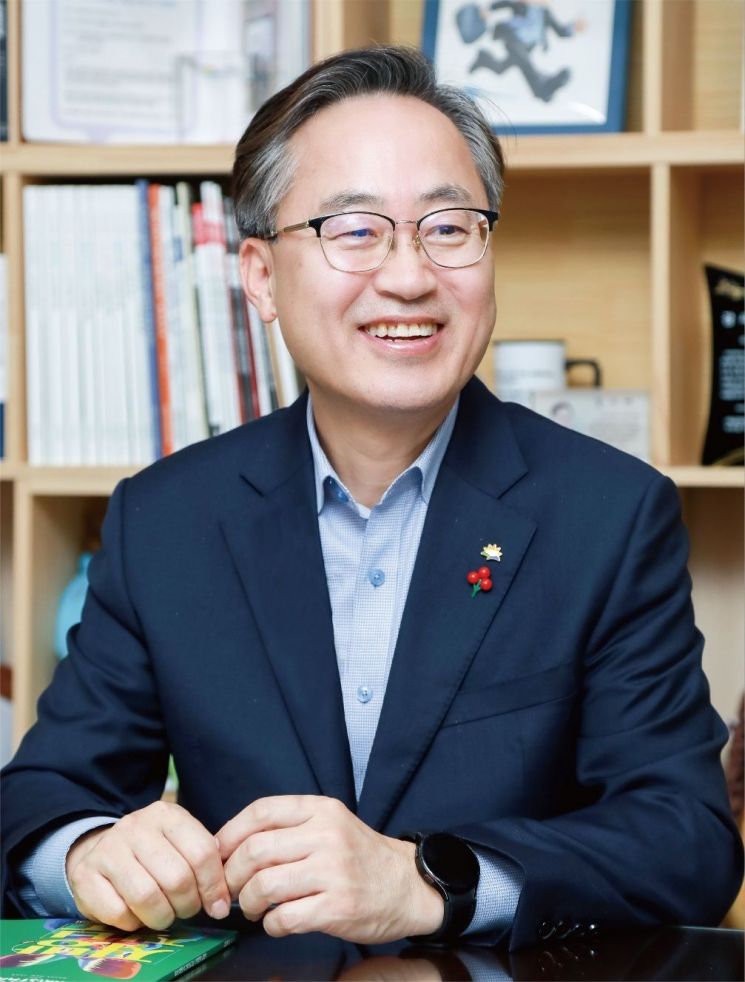
Since the inauguration of Mayor Yu Seong-hoon, who graduated from elementary, middle, and high schools in this area, Geumcheon-gu has achieved remarkable development over the past seven years during the 7th local government term.
This development is understood to be supported by advanced administration.
In the 8th local government term, Geumcheon-gu operates various systems to enhance work efficiency and realize resident-centered administration. These include ▲a systematic handover system ▲introduction of AI-based smart administration ▲multifaceted review for administrative decision-making ▲establishment of a rapid and proactive civil complaint resolution system, achieving qualitative improvement in administration.
The district has established and operates a system where the predecessor and successor work together for about three weeks before and after employee transfers to systematically hand over important matters.
Operation of a Systematic Handover System
To maximize administrative continuity and efficiency, the ‘Job Transition Period’ system has been in operation for 11 years. This method involves the predecessor and successor working together for about three weeks before and after the transfer to systematically hand over important matters.
When personnel changes occur, the transfer results are disclosed seven days before the appointment date to help employees adapt quickly. The handover documents, which summarize work know-how and current issues, are registered in the electronic document system for anytime access.
Notably, the ‘Joint Responsibility System for Predecessor and Successor’ operates for two weeks after the transfer. The predecessor cooperates in reviewing key documents and attends meetings or events as needed to ensure smooth handover of duties.
Additionally, the district provides residents with faster and more accurate administrative services through smart administrative innovation and systematic work execution methods.
Promotion of AI-Based Smart Administrative Innovation
The district is enhancing employees’ work efficiency and administrative productivity through smart administrative innovation using AI technology. Training on generative AI (such as ChatGPT) is provided to all employees to support practical application in official document and press release writing, policy planning, data analysis, and automation tasks.
From March to July this year, a total of 23 hands-on AI training sessions will be conducted to progressively strengthen employees’ capabilities. Additionally, training on promotional content creation using design platforms and Excel-based data analysis automation is also underway to systematically promote digital transformation of work.
Multifaceted Review to Derive Optimal Administrative Measures
In policy and project decision-making processes, the district prepares at least two to three alternatives rather than a single option. This enables more careful and optimal decision-making and reflects diverse perspectives during policy implementation.
After comprehensively considering budget, feasibility, and resident satisfaction, multiple options are reviewed to derive the best alternative, enhancing policy completeness.
Lee In-geun, Deputy Mayor of Geumcheon-gu, praised, “Since taking office this January and experiencing life here, I find Geumcheon-gu office employees truly excellent.”
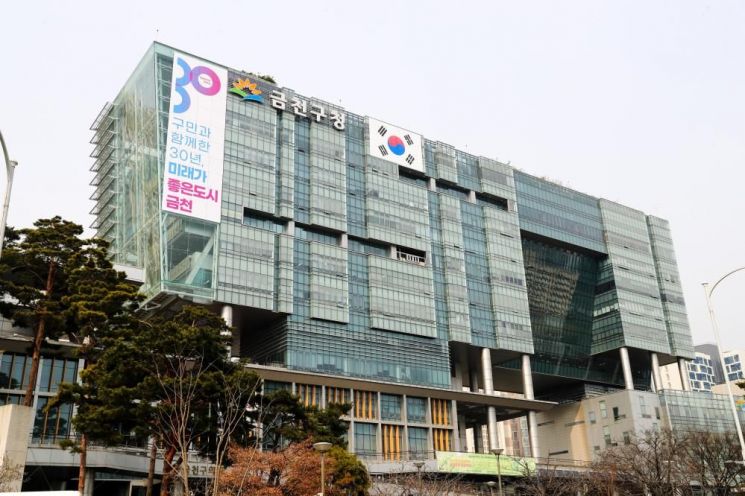
Establishment of a Rapid and Proactive Civil Complaint Resolution System
The district is promoting the ‘Neighborhood Residents’ Side Project’ to proactively identify and swiftly resolve civil complaints closely related to daily life. Rather than merely processing received complaints, a system has been established to preemptively discover and respond to residents’ inconveniences.
In particular, the introduction of the ‘Mayor’s On-site Touring,’ where the mayor personally visits major complaint sites, aims to communicate with residents and seek practical solutions. Complaints that can be resolved on-site are addressed immediately, and issues requiring interdepartmental cooperation are promptly discussed and handled.
Furthermore, a system to manage daily civil complaints has been established to share processing progress in real time, and a mayor’s civil complaint consultation window has been newly created on the district website to actively reflect residents’ voices.
Yu Seong-hoon, Mayor of Geumcheon-gu, said, “Geumcheon-gu office employees are raising resident satisfaction through smart administrative innovation and a proactive attitude. We will continue to advance administrative services in line with changing times and build a Geumcheon-gu that grows together with its residents.”
© The Asia Business Daily(www.asiae.co.kr). All rights reserved.













