Food mileage is emerging as a new standard for food selection among smart consumers. Food mileage, which refers to the distance food travels from the producer to the consumer's table, is gaining attention as an indicator that allows consumers to participate quickly and easily in environmental movements in the era of carbon neutrality. The greater the food mileage, the farther the product is imported from, making it not only a criterion for environmentally conscious consumers but also a measure of product freshness, highlighting its importance from various perspectives.
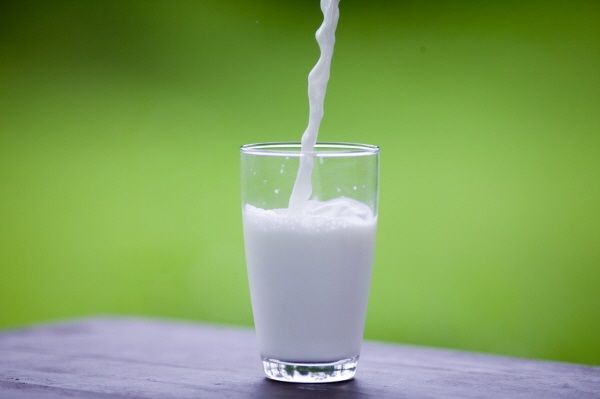
Domestic milk, a representative food with a short food mileage, is called ‘Ilbaesikpum’ (short for daily delivery food) and is a fresh food distributed to consumers within 2 to 3 days of production. Milk produced domestically is quickly cooled after milking at dairy farms and distributed within 2 to 3 days without external exposure. With a shelf life of up to 14 days, freshness management is essential. In fact, milk is classified as an 'unprocessed or minimally processed food' in the food classification system called NOVA, which categorizes foods based on processing stages. This places milk in group 1, representing a typical natural and fresh food.
On the other hand, imported sterilized milk generally has a shelf life set at about one year, and it takes at least a month for the finished product to be imported into the country, meaning products sold in the market are known to be over three months old. In contrast, domestic milk is distributed within 2 to 3 days after only pasteurization and homogenization of fresh raw milk, ensuring taste, freshness, and safety.
Domestic milk is a representative fresh food with a short food mileage, which measures the distance food travels. Raw milk, milked from cows at the farm, is transported to nearby factories via refrigerated raw milk transport vehicles with a fully equipped cooling system. The process of transporting raw milk to the factory is called ‘jipyu.’ Upon arrival, the milk undergoes quality inspections including appearance, temperature, composition, bacterial count, and antibiotic residues. If it passes, it proceeds through homogenization, pasteurization, packaging, and product inspection stages before finally being delivered to consumers.
An important point is that the entire process from milking at the farm to collection, pasteurization, inspection, and distribution is strictly managed based on a ‘cold chain system.’ Domestic milk, a fresh food with a shelf life of less than two weeks, shows a significant difference in food mileage compared to imported sterilized milk, which is usually transported by ship. Experts also note that it is difficult to accurately verify the quality of raw milk used in imported sterilized milk, making food safety assurance challenging.
The freshness of domestic milk is directly linked to quality. The quality of raw milk, the main ingredient of milk, is determined by somatic cell count and bacterial count. The ‘somatic cell count’ indicates the health status of the cow, while the ‘bacterial count’ serves as a barometer of the cleanliness of the milking environment. According to the raw milk hygiene grade standards announced by the Ministry of Food and Drug Safety, the highest quality grade ‘1A’ requires fewer than 30,000 bacteria per 1 ml of raw milk, and somatic cell count grade 1 requires fewer than 200,000 cells. This is on par with Denmark, a leading dairy country.
According to the ‘2024 First Half Raw Milk Inspection Results’ by the Animal and Plant Quarantine Agency, the proportion of somatic cell count grade 1 was 71.88%, an increase of 0.75 percentage points from 71.13% in 2023. The proportion of bacterial count grade 1 was recorded at 99.62%. This matches the level of Denmark, proving world-class quality.
An official from the dairy industry stated, “Domestic fresh milk is cooled immediately after milking and undergoes only pasteurization and homogenization without external exposure, then distributed within 2 to 3 days. Drinking domestic milk with a short food mileage, which indicates the environmental burden generated during food production and transportation, will be another way to protect the environment.”
© The Asia Business Daily(www.asiae.co.kr). All rights reserved.











